What is a Manual Winding Watch? A Comprehensive Guide
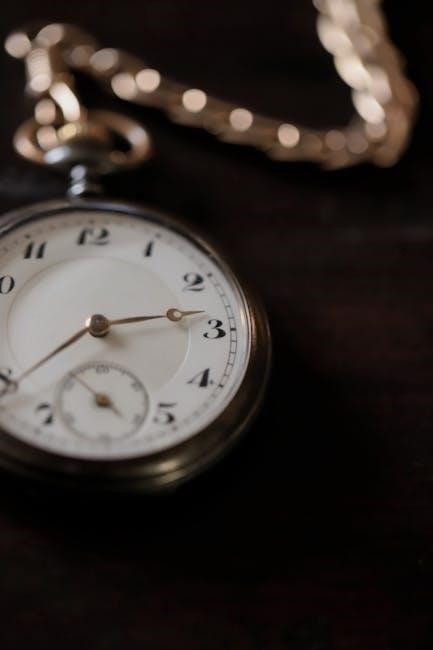
Manual winding watches represent a traditional approach to timekeeping, requiring the user to physically wind the mainspring to power the watch’s intricate mechanics daily.
Manual winding watches offer a captivating connection to the art of horology, standing apart from their automatic and quartz counterparts. Unlike automatic watches that wind themselves through wrist motion, or quartz watches powered by batteries, these timepieces demand a deliberate, daily interaction. This involves gently winding the crown, storing energy within the mainspring – the heart of the watch – to power its movement.
This daily ritual isn’t a chore for enthusiasts; it’s a mindful moment, a tangible link to the watch’s intricate inner workings. They represent a return to a simpler, more deliberate form of timekeeping, appreciated for their craftsmanship and the personal connection they foster.
The History of Manual Winding
Manual winding represents the earliest form of mechanical watch technology, predating the invention of self-winding mechanisms. Originating in the 16th century with the creation of the first portable spring-driven clocks, these early timepieces required daily winding to function. For centuries, this remained the standard, with watchmakers focusing on refining the mainspring and gear trains to improve accuracy and reliability.
As technology advanced, automatic winding emerged, but manual winding never disappeared. It continued to be favored for its simplicity, slim profiles, and the direct connection it offered to the watch’s operation, maintaining a dedicated following among watch connoisseurs.
How Manual Winding Works: The Basics

Manual winding operates by storing energy in the mainspring through the turning of the crown. This action tightly coils the spring, creating potential energy. As the mainspring slowly unwinds, it releases this energy, powering the watch’s gear train – a series of interconnected gears – which ultimately drives the hands to display the time.
The rate at which the mainspring unwinds is regulated by the escapement, ensuring consistent timekeeping. Consistent, gentle winding is key; over-winding can damage the delicate components within the movement.
Key Components of a Manual Winding Movement

A manual winding movement relies on several crucial parts working in harmony. The mainspring stores the energy, while the gear train transmits it. The balance wheel, coupled with a hairspring, regulates the release of power, dictating the watch’s accuracy.
Other essential elements include the winding mechanism (crown and stem), the escapement (controlling the gear train’s release), and the dial/hands for time display. Each component’s precision is vital for reliable operation and showcases horological craftsmanship.
The Mainspring
The mainspring is the heart of a manual winding watch, a coiled ribbon of metal storing the potential energy that powers the timepiece. Winding the crown tightens this spring, accumulating energy. As it slowly unwinds, it releases power to the gear train, driving the hands.
The quality of the mainspring – its material, length, and thickness – significantly impacts the watch’s power reserve and overall performance. Modern mainsprings often utilize advanced alloys for improved durability and consistent energy delivery.
The Gear Train
The gear train is a series of interconnected gears that transmits the power released by the mainspring to the watch’s hands; Each gear is precisely sized and positioned to accurately reduce the mainspring’s force and translate it into the correct speed for displaying hours, minutes, and seconds.
These gears are meticulously crafted, often from brass, and polished to minimize friction. The gear train’s efficiency directly influences the watch’s accuracy and how long it runs on a single winding.
The Balance Wheel and Hairspring
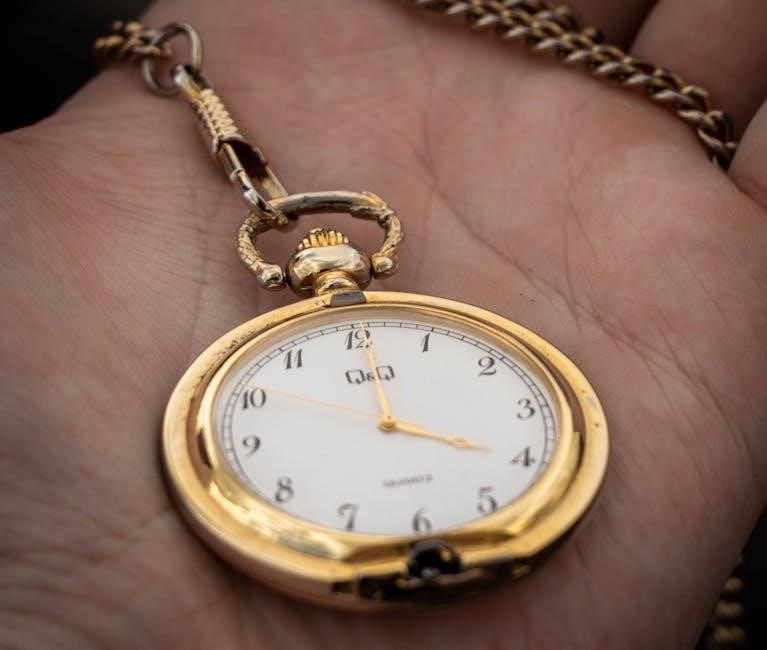
The balance wheel and hairspring act as the watch’s timekeeping regulator, oscillating back and forth at a consistent rate. This oscillation, driven by the gear train, divides time into equal increments. The hairspring’s length and the balance wheel’s weight determine the oscillation frequency, directly impacting accuracy.
A skilled watchmaker carefully adjusts these components to achieve precise timekeeping. This delicate system is a hallmark of mechanical watchmaking, showcasing horological expertise and precision engineering.
Benefits of Owning a Manual Winding Watch
Owning a manual winding watch offers a unique connection to horological tradition and craftsmanship. The daily winding ritual fosters appreciation for the intricate mechanics within, a meditative moment in a fast-paced world. These watches often boast slimmer profiles compared to automatics, enhancing wearability and elegance.
Furthermore, manual winding encourages a deliberate relationship with time, a conscious act of maintaining a mechanical marvel. It’s a tangible link to watchmaking’s rich history and a statement of personal style.
Appreciation for Horological Craftsmanship
Manual winding watches showcase the pinnacle of traditional watchmaking skill. Each component, meticulously assembled and finished by hand, represents hours of dedicated artistry. Unlike automated movements, a manual watch reveals the direct impact of the watchmaker’s expertise.
The visible mechanics, often highlighted in skeletonized designs, invite admiration for the intricate gear trains and delicate balance wheel. Owning one fosters a deeper understanding and respect for the complex engineering and artistry involved in creating a fine timepiece – a true testament to human ingenuity.
Connection to the Watch
Manual winding cultivates a unique relationship between the wearer and their timepiece. The daily ritual of winding isn’t merely a task, but a deliberate act of connection. It’s a moment of contemplation, a pause in the day to acknowledge the watch’s life and ensure its continued operation.
This intentional interaction fosters a sense of ownership and appreciation, transforming the watch from a simple time-telling device into a personal companion. It’s a tactile experience, reminding us of the mechanical heart beating within.
Typically Slimmer Profiles
Manual winding watches often boast remarkably slender cases compared to their automatic counterparts. This is because they lack the automatic winding mechanism – the rotor – which requires space within the movement. The absence of this component allows watchmakers to create movements that are significantly thinner.
Consequently, manual wind watches frequently exhibit a more refined and elegant aesthetic, sliding comfortably under shirt cuffs. This characteristic makes them particularly appealing to those who value a discreet and sophisticated timepiece.
Drawbacks of Manual Winding Watches
Manual winding watches, while charming, present certain practical considerations. The primary drawback is the necessity for daily winding; forgetting to do so results in the watch stopping. This contrasts with automatic watches which wind themselves with wrist movement.
Another potential issue is the risk of power reserve run-down. If not wound fully, or if the power reserve isn’t sufficient for a full day, the watch may stop prematurely. This requires consistent attention and a commitment to regular maintenance, unlike set-and-forget automatic options.
Daily Winding Requirement
The daily winding requirement is the defining characteristic – and for some, the biggest drawback – of a manual winding watch. Unlike automatic movements powered by motion, these watches rely entirely on the user’s deliberate action to store energy in the mainspring.
This means consistently winding the crown, typically in a clockwise direction, to ensure the watch continues to function. It’s a ritual some enthusiasts appreciate, fostering a connection with their timepiece, but it demands discipline and awareness. Forgetting to wind means a stopped watch, requiring resetting.
Potential for Power Reserve Run-Down
A key consideration with manual winding watches is the potential for the power reserve to fully run down if not wound regularly. This results in the watch stopping, necessitating a complete reset of the time and date – a minor inconvenience, but one to be mindful of.
While most manual watches offer a power reserve of around 40-72 hours, life happens, and forgetting a daily wind is possible. Understanding your watch’s specific power reserve duration is crucial to avoid unexpected stoppages and maintain accurate timekeeping.
Manual Winding vs. Automatic Winding: Key Differences
The fundamental difference lies in how the mainspring is wound. Manual watches require deliberate, daily winding by the user, fostering a connection with the timepiece. Automatic watches, conversely, wind themselves using the motion of the wearer’s wrist via a rotor system.
This self-winding capability offers convenience, but often results in thicker watch cases; Manual watches generally boast slimmer profiles. Furthermore, the ritual of winding a manual watch is appreciated by enthusiasts, offering a moment of contemplation and engagement with horological craftsmanship.

The Power Reserve Explained
The power reserve of a manual winding watch indicates how long it will run after being fully wound, before stopping due to lack of energy. This is crucial, as a manual watch ceases functioning when the mainspring unwinds completely. Typical durations range from 36 to 72 hours, though some offer even longer reserves.
Power reserve indicators, often displayed on the dial, visually show the remaining energy. Understanding this feature prevents unexpected stoppages and ensures reliable timekeeping, making it a valuable asset for manual watch owners.
Understanding Power Reserve Indicators
Power reserve indicators are visual cues on the watch dial displaying the remaining energy in the mainspring. These indicators vary in design, from simple scales to more elaborate displays. Some use a hand pointing to a numbered arc, while others employ a sector or window showing a filled portion representing the reserve.
Accurately interpreting this indicator is vital; it prevents the watch from stopping unexpectedly. Regularly observing the indicator helps establish a winding routine, ensuring consistent and reliable timekeeping performance.
Typical Power Reserve Durations
Manual winding watches exhibit diverse power reserve durations, generally ranging from 36 to 72 hours, though some extend beyond. A 40-hour reserve is common, requiring winding every one to two days, aligning with daily routines. Longer reserves, like 72 hours or more, offer greater flexibility, allowing for weekend wear without needing immediate rewinding.
The duration depends on the mainspring’s length, efficiency of the movement, and the number of components. Understanding your watch’s specific reserve is crucial for maintaining accurate timekeeping and preventing unexpected stops.
Notable Brands Known for Manual Winding Watches
Several prestigious watchmakers consistently produce exceptional manual winding timepieces. Glashütte Original is renowned for its intricate skeletonized designs, showcasing the movement’s beauty. Jaeger-LeCoultre’s Reverso, with its reversible case, is an iconic example of manual winding artistry and functionality.
Other prominent manufacturers like Vacheron Constantin, A. Lange & Söhne, and Patek Philippe also offer exquisite manual winding options, celebrated for their craftsmanship and heritage. These brands represent the pinnacle of horological skill and dedication to traditional watchmaking.

Glashütte Original and Skeletonized Designs
Glashütte Original excels in creating visually stunning manual winding watches, particularly through its skeletonized editions like the Senator Manual Winding Skeleton. These designs deliberately expose the intricate inner workings of the movement, transforming the watch into a miniature work of art.
This openworked aesthetic isn’t merely for show; it highlights the meticulous finishing and precise engineering that define Glashütte Original’s commitment to horological excellence. The brand’s skeletonized watches offer a unique blend of technical mastery and artistic expression, appealing to discerning collectors.
Jaeger-LeCoultre and the Reverso
Jaeger-LeCoultre’s iconic Reverso is a prime example of a beautifully executed manual winding watch with a rich history. Originally designed in the 1930s for polo players needing protection for their watch faces, the Reverso’s reversible case became a signature feature.
Many Reverso models house manually wound movements, offering a tactile connection to the watchmaking tradition. The act of winding becomes a deliberate ritual, enhancing the ownership experience. The Reverso embodies elegance and innovation, solidifying Jaeger-LeCoultre’s position as a leader in luxury horology.
Other Prominent Manufacturers
Beyond Glashütte Original and Jaeger-LeCoultre, numerous other watchmakers champion the art of manual winding. Vacheron Constantin consistently produces exquisite models with hand-wound movements, showcasing exceptional finishing and complications. A. Lange & Söhne, another German powerhouse, is renowned for its meticulously crafted manual watches.
Brands like Patek Philippe and Breguet also offer select manual winding pieces, appealing to collectors who appreciate traditional watchmaking. These manufacturers demonstrate a commitment to preserving the heritage and artistry inherent in manually wound timepieces, offering enduring value.
Caring for Your Manual Winding Watch
Proper winding techniques are crucial; gently wind the crown until you feel resistance, avoiding over-winding which can damage the mainspring. Consistent, gentle winding ensures reliable operation. Regular servicing, typically every 3-5 years, is essential for cleaning, lubrication, and inspection of the movement.
Professional maintenance addresses wear and tear, preserving accuracy and longevity. Avoid shocks and extreme temperatures. A soft cloth is best for cleaning the case. Careful handling and routine upkeep will ensure your manual winding watch remains a cherished heirloom for generations.
Proper Winding Techniques
Gentle and consistent winding is paramount. Locate the crown and slowly turn it clockwise – never counter-clockwise – until you encounter a subtle resistance. This indicates the mainspring is fully wound. Avoid forcing the crown beyond this point, as it can cause damage to the delicate internal components;
Wind your watch at roughly the same time each day to establish a routine. A smooth, deliberate motion is preferable to quick, jerky turns. Remember, a manual winding watch relies on your consistent care to maintain its power and accuracy.
Regular Servicing and Maintenance
Consistent care extends the life of your manual winding watch. Every 3-5 years, a professional service is crucial. This involves disassembly, cleaning, lubrication, and adjustment of the movement’s intricate parts. Ignoring this can lead to increased friction, reduced accuracy, and eventual failure.
Protect your investment by avoiding shocks, extreme temperatures, and magnetic fields. Gentle cleaning with a soft cloth and regular inspection by a qualified watchmaker will ensure years of reliable timekeeping and preserve its value.
The Resurgence of Manual Winding Watches in Modern Horology
A renewed appreciation for traditional watchmaking fuels the comeback of manual winding watches. In a world dominated by quartz and automatics, these timepieces offer a tangible connection to horological history and craftsmanship. They represent a deliberate choice, a slowing down, and a mindful interaction with a mechanical object.
This revival isn’t merely nostalgic; it’s driven by a desire for authenticity and a rejection of disposable technology. Brands like Glashütte Original and Jaeger-LeCoultre champion this movement, showcasing exquisite manual-wind designs.
Patent Innovations in Watch Movements (Including Manual Winding)
The pursuit of horological perfection consistently drives patent applications for innovative watch movements, even within the realm of traditional manual winding. Companies continually seek ways to improve efficiency, reduce friction, and enhance power reserve duration.
Apple’s recent patent filings, though focused on digital technology, demonstrate the broader trend of seeking mechanical advantages. While not directly related to manual winding, this illustrates the industry’s commitment to innovation. These advancements subtly influence even traditional mechanisms, refining their performance and longevity.
The Role of Manual Winding in Luxury Watchmaking
Manual winding remains central to luxury watchmaking, representing a deliberate connection between the wearer and the timepiece. It’s viewed as a moment of contemplation, a daily ritual fostering appreciation for the intricate craftsmanship within. This contrasts with the convenience of automatic movements.
Brands like Glashütte Original and Jaeger-LeCoultre champion manual winding, showcasing skeletonized designs and iconic models like the Reverso. These watches aren’t simply time-telling devices; they are expressions of artistry and a tangible link to horological history, valued for their mechanical soul.
Choosing the Right Manual Winding Watch for You
Selecting a manual winding watch requires considering your lifestyle and preferences; If you appreciate the daily ritual of winding and the connection it provides, it’s an excellent choice. However, be realistic about your commitment to consistent winding.
Budget plays a key role, with options ranging from accessible entry-level models to high-end pieces from renowned manufacturers. Consider desired features – power reserve indicators are helpful. Ultimately, choose a watch that resonates with your aesthetic and fits seamlessly into your daily routine.
Considering Your Lifestyle
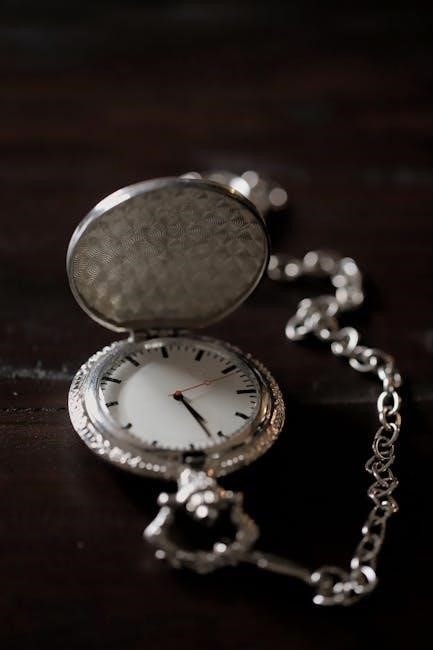
A manual winding watch isn’t simply about telling time; it’s a lifestyle choice. If you thrive on routine and appreciate a deliberate, tactile experience, this type of watch will likely suit you. The daily winding becomes a mindful moment, a connection to the watch’s mechanics.
However, if you lead a particularly hectic or travel-heavy life, remembering to wind daily might prove challenging. Assess your commitment to this ritual before investing. A manual watch is best for those who value tradition and are willing to embrace its unique demands.
Budget and Features
Manual winding watches span a broad price range, from affordable entry-level options to highly exclusive, luxury timepieces. Your budget will significantly influence the available features and level of craftsmanship. Expect to find simpler models with basic time-telling functions at lower price points.
Higher-end manual watches often boast intricate complications, such as power reserve indicators, and are crafted from premium materials. Consider features like case material, crystal type, and movement finishing when making your decision. Prioritize what matters most to you within your financial constraints.
The Future of Manual Winding Technology
Despite the prevalence of automatic movements, manual winding continues to evolve. Innovations focus on enhancing efficiency and user experience. Expect to see advancements in mainspring materials, potentially extending power reserves beyond current norms. Watchmakers are exploring novel winding mechanisms, aiming for smoother, more ergonomic operation.
Furthermore, the integration of new materials and manufacturing techniques could lead to more durable and precise manual movements. The resurgence of interest in traditional horology suggests a continued commitment to refining this classic technology, blending heritage with modern innovation;
Where to Buy Manual Winding Watches
Manual winding watches are available through diverse channels, ranging from authorized dealers to online retailers. Established watch boutiques offer expert guidance and a hands-on experience, allowing you to appreciate the craftsmanship firsthand. Brand websites often provide a comprehensive selection and direct purchasing options.
Online platforms, including specialized watch retailers and luxury marketplaces, offer competitive pricing and wider variety. However, verifying authenticity and understanding return policies are crucial when buying online. Consider reputable sources to ensure a secure and satisfying purchase.
Resources for Further Learning
Delving deeper into manual winding watches requires exploring specialized resources. Watch enthusiast forums, like Watchuseek and TimeZone, provide vibrant communities for discussion and knowledge sharing. Horological publications, such as Hodinkee and Revolution, offer in-depth articles and reviews.
Books dedicated to watchmaking and horology provide a comprehensive understanding of mechanical movements. Online courses and workshops can offer hands-on experience with watch disassembly and repair. Exploring these resources will enrich your appreciation for these intricate timepieces.
Glossary of Terms
Understanding manual winding watches necessitates familiarity with specific terminology. Mainspring: The coiled spring storing energy. Gear Train: Interconnected gears transmitting power. Balance Wheel: Regulates timekeeping. Hairspring: Controls balance wheel oscillation. Power Reserve: Duration a watch runs when fully wound.
Horological Craftsmanship: The art of watchmaking. Skeletonized: A watch revealing its movement. Openworked: Similar to skeletonized, showcasing internal components. These terms are crucial for comprehending the intricacies and appreciating the artistry of manual winding timepieces.
Frequently Asked Questions (FAQs)
Q: Why choose a manual winding watch? A: They offer a connection to horological tradition and a moment of daily ritual. Q: How often do I need to wind it? A: Typically daily, but depends on the power reserve. Q: What if I forget to wind it? A: The watch will stop; resetting is required.
Q: Are they less accurate? A: Not necessarily; accuracy depends on the movement’s quality. Q: Are they reliable? A: With proper servicing, they are highly reliable. Q: Where can I learn more? A: Explore watch forums and horology resources;