
Self-Guided Tours of Italy: A Comprehensive Plan
Italy beckons independent travelers with its rich history, stunning landscapes, and delicious cuisine – perfect for crafting unforgettable, personalized adventures.
Italy has long captivated travelers with its timeless appeal, offering a unique blend of ancient history, breathtaking art, and vibrant culture. However, experiencing the true essence of Italia often means venturing beyond the typical tourist trails. This is where the magic of self-guided travel comes into play.
Imagine wandering through sun-drenched vineyards in Tuscany, discovering hidden trattorias in Rome, or exploring the dramatic coastline of the Amalfi Coast – all at your own pace and according to your own interests. Independent travel empowers you to connect with the local culture on a deeper level, creating memories that will last a lifetime.
Why Choose a Self-Guided Tour?
Opting for a self-guided tour of Italy unlocks a world of benefits compared to traditional, structured group travel. The primary advantage lies in unparalleled flexibility. You dictate your itinerary, choosing destinations, activities, and the length of your stay in each location – no rigid schedules to adhere to!

Furthermore, self-guided tours often represent significant cost savings, eliminating the premium charged by tour operators. Finally, and perhaps most importantly, you’ll experience a deeper immersion in Italian life, interacting with locals and discovering hidden gems far from the crowded tourist hotspots.
Flexibility and Freedom
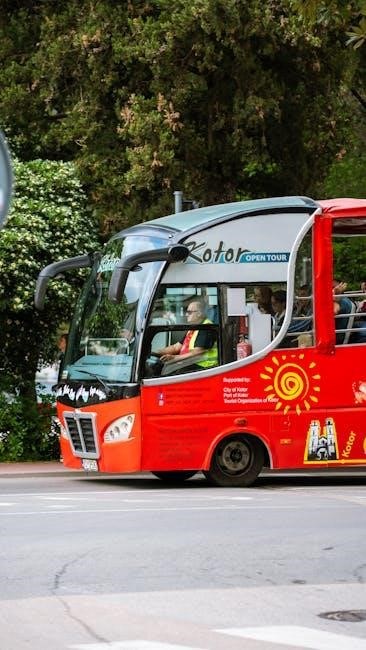
The cornerstone of a successful self-guided Italian adventure is the freedom to tailor every aspect of your trip. Imagine lingering longer in a charming Tuscan village, or spontaneously deciding to explore a hidden Roman alleyway – possibilities unlocked by independent travel.
You’re not bound by a pre-determined schedule or the interests of a group. Change plans on a whim, discover local festivals, and truly experience Italy at your own pace. This autonomy fosters a more authentic and rewarding travel experience, allowing for genuine connection and discovery.
Cost Savings Compared to Group Tours
Opting for a self-guided tour often translates to significant financial savings. Group tours bundle costs, including a premium for convenience and the tour operator’s profit margin. By planning independently, you control expenses like accommodation, transportation, and activities.
You can choose budget-friendly options – charming guesthouses instead of luxury hotels, local trattorias over tourist-focused restaurants, and free walking tours. Furthermore, avoiding mandatory group meals and excursions allows you to spend only on what you want, maximizing your travel budget and value.
Deeper Immersion in Local Culture
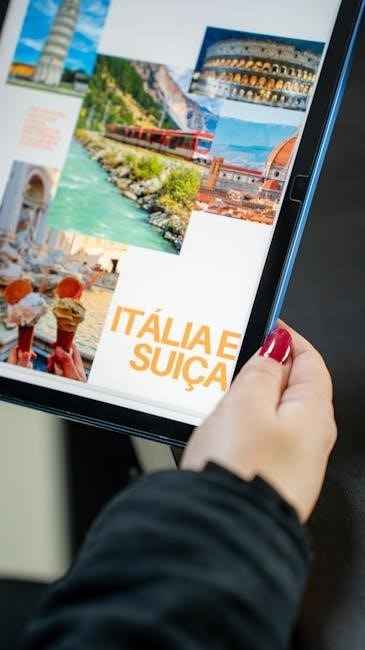
Self-guided travel fosters a more authentic connection with Italian culture. Without the constraints of a group schedule, you’re free to linger in local cafes, strike up conversations with residents, and explore hidden gems off the beaten path.
This allows for spontaneous discoveries and genuine interactions, moving beyond a superficial tourist experience. Embrace the slower pace, learn a few basic Italian phrases, and truly immerse yourself in the daily life and traditions of the regions you visit, creating lasting memories.
Planning Your Itinerary: Key Considerations
Crafting a successful self-guided Italian tour requires thoughtful planning. Begin by identifying your core travel style and preferences – are you a fast-paced explorer or a leisurely wanderer?
Consider the logistical aspects: transportation between cities, pre-booking accommodations (especially during peak season), and researching local events. A well-defined itinerary provides structure, but leave room for flexibility and spontaneous detours. Prioritize what truly excites you, ensuring a fulfilling and personalized Italian experience.
Defining Your Interests (History, Food, Art, Nature)
Italy offers a diverse range of experiences, so pinpointing your passions is crucial. Are you captivated by ancient Roman history, eager to explore Renaissance art in Florence, or dreaming of indulging in regional Italian cuisine?
Perhaps you’re drawn to the stunning natural beauty of the Dolomites or the Amalfi Coast. Focusing on your interests – whether it’s historical sites, culinary delights, artistic masterpieces, or outdoor adventures – will shape your itinerary and ensure a truly rewarding journey.
Determining Trip Duration & Pace
Italy is a country best savored, not rushed. Consider how much time you have available and what you realistically want to see. A week allows for focusing on a single region, like Tuscany or the Amalfi Coast, while two weeks enables exploring multiple areas.
Think about your preferred travel pace – do you enjoy leisurely days exploring a few key sights, or do you prefer a more packed itinerary? Factor in travel time between cities and allow for spontaneous discoveries along the way.
Budgeting for a Self-Guided Italian Adventure
Self-guided travel offers cost control, but careful budgeting is crucial. Accommodation varies greatly – hostels are cheapest, followed by Airbnb, then hotels. Transportation costs depend on your choices: trains are efficient, car rentals offer flexibility, but incur expenses like gas and parking.
Food can be affordable with picnics and local trattorias, or more expensive with fine dining. Entrance fees to museums and attractions add up, so prioritize. Factor in unexpected costs and allow a buffer for souvenirs and emergencies.
Popular Regions for Self-Guided Tours
Italy boasts diverse regions ideal for independent exploration. Tuscany captivates with its rolling hills, vineyards, and Renaissance art, perfect for a relaxed pace. Rome & Lazio offer ancient history, vibrant city life, and accessible transportation. The Amalfi Coast provides breathtaking coastal scenery and charming towns, though navigating can be challenging.
Umbria, the “green heart” of Italy, is a hidden gem with medieval towns and tranquil landscapes. Sicily combines history, beaches, and unique cuisine. Consider Puglia for its whitewashed towns and Adriatic coastline.
Tuscany: Rolling Hills & Renaissance Charm
Tuscany is arguably Italy’s most iconic region for self-guided tours. Explore Florence, the birthplace of the Renaissance, and marvel at masterpieces like Michelangelo’s David. Wander through Siena’s Piazza del Campo, and sample Chianti Classico in the rolling hills of the countryside.
Consider visiting smaller towns like San Gimignano, known for its medieval towers, and Montepulciano, famed for its Vino Nobile. Renting a car allows for maximum flexibility, but train and bus options are available.
Rome & Lazio: Ancient History & Vibrant City Life
Rome, the Eternal City, offers an unparalleled journey through history. Explore the Colosseum, Roman Forum, and Pantheon, remnants of a powerful empire. Vatican City, home to St. Peter’s Basilica and the Vatican Museums, is a must-see. Beyond Rome, the Lazio region boasts charming towns like Tivoli, with its stunning Villa d’Este gardens.
Utilize Rome’s efficient metro system for easy navigation. Consider day trips to Ostia Antica, the ancient port of Rome, for a glimpse into daily Roman life.
Amalfi Coast: Coastal Beauty & Picturesque Towns
The Amalfi Coast is a breathtaking stretch of coastline in Campania, renowned for its dramatic cliffs, colorful towns, and lemon groves. Explore Positano, Amalfi, and Ravello, each offering unique charm and stunning views. Hike the Path of the Gods for panoramic vistas, or take a boat trip to explore hidden coves.
Navigating the Amalfi Coast can be challenging; consider using local buses or ferries to avoid narrow, winding roads. Enjoy fresh seafood and local limoncello!
Transportation Options in Italy
Italy boasts a comprehensive transportation network, making self-guided tours convenient. High-speed trains connect major cities efficiently, offering scenic routes and comfortable travel. Renting a car provides flexibility for exploring rural areas like Tuscany or Umbria, but be prepared for challenging roads and parking.
Local buses and ferries are ideal for reaching smaller towns and coastal destinations. Consider purchasing a rail pass if you plan extensive train travel. Remember to validate your train tickets before boarding!
Train Travel: Efficient & Scenic
Italy’s train system is a fantastic option for self-guided travelers. High-speed trains, like those operated by Trenitalia and Italo, swiftly connect major cities – Rome, Florence, Venice, and Milan. Regional trains are slower but reach smaller towns, offering picturesque views. Booking in advance, especially during peak season, is highly recommended.
Consider a rail pass if you plan extensive travel. Validate your ticket before boarding to avoid fines. Enjoy the comfortable and scenic journey through the Italian countryside!
Renting a Car: Exploring Rural Areas
For venturing beyond cities and into Italy’s charming countryside – Tuscany, Umbria, or the Amalfi Coast – renting a car provides unmatched freedom. Be prepared for narrow roads, especially in historic towns, and potential parking challenges. An International Driving Permit is often required, alongside your valid driver’s license.
Compare rental agencies and insurance options carefully. Automatic transmissions are less common (and pricier) than manual ones. Factor in fuel costs and toll fees when budgeting for your road trip!

Local Buses & Ferries: Reaching Smaller Destinations
Italy’s extensive local bus network connects towns and villages often inaccessible by train. While slower, buses offer a budget-friendly way to experience authentic Italian life and reach hidden gems. Coastal regions, like Cinque Terre or islands like Sicily, rely heavily on ferries for transport between picturesque towns.
Timetables can be infrequent, especially outside peak season, so plan accordingly. Purchasing tickets in advance from tabacchi (tobacconists) is often necessary, and validating them upon boarding is crucial!
Accommodation Choices
Italy offers a diverse range of lodging options to suit every traveler’s style and budget. From luxurious hotels in bustling city centers to charming, family-run agriturismi in the countryside, the possibilities are endless. Consider the location carefully – proximity to train stations or desired attractions can significantly enhance your experience.
Airbnb and vacation rentals provide opportunities for immersive stays in local neighborhoods, often with kitchen facilities for self-catering. Booking in advance is highly recommended, especially during peak season.
Hotels: Comfort & Convenience
Italian hotels cater to a wide spectrum of preferences, ranging from budget-friendly options to opulent five-star establishments. They generally provide consistent standards of comfort, convenience, and service, including daily housekeeping, on-site restaurants, and helpful concierge services.
Hotels are particularly advantageous for travelers prioritizing ease of access to transportation hubs and city attractions. Booking platforms like Booking.com offer extensive choices and competitive rates. Consider hotels offering breakfast included for a convenient start to your day of exploration.
Agriturismos: Rural Farm Stays
Agriturismos offer a uniquely immersive Italian experience, blending accommodation with working farms. Often located in picturesque countryside settings – Tuscany being particularly renowned – they provide a taste of authentic rural life. Expect homemade meals featuring fresh, local ingredients, often sourced directly from the farm itself.
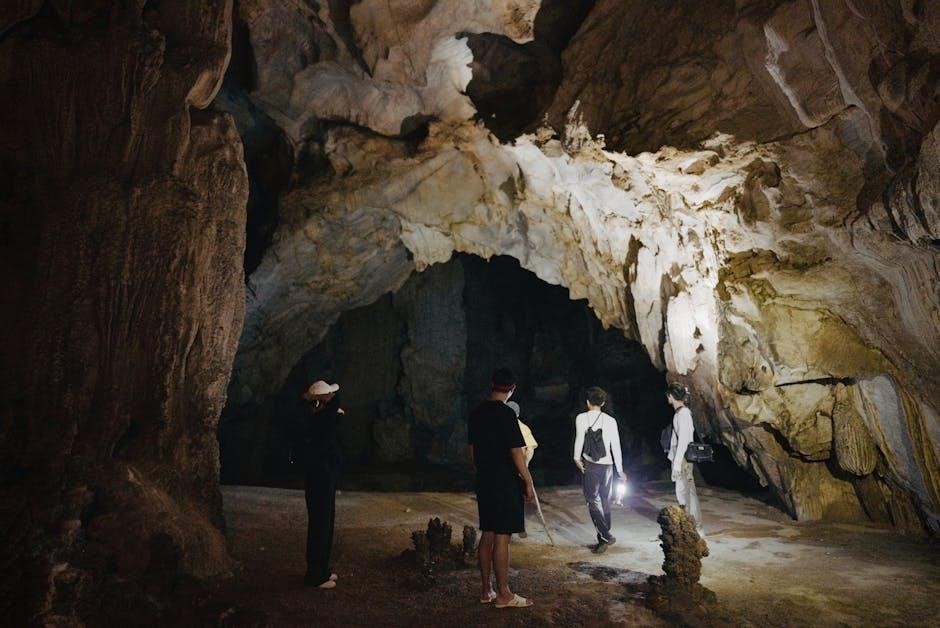
Staying at an agriturismo is ideal for those seeking tranquility and a deeper connection with the land. Many offer activities like wine tasting, cooking classes, and opportunities to participate in farm work. Booking in advance is highly recommended, especially during peak season.
Airbnb & Vacation Rentals: Local Experiences
Airbnb and other vacation rental platforms provide a diverse range of accommodation options throughout Italy, from cozy apartments in city centers to charming villas in the countryside. These rentals often offer a more local and authentic experience compared to traditional hotels, allowing you to live like a resident.
They’re particularly beneficial for families or groups seeking more space and self-catering facilities. Carefully review listings, read reviews, and communicate with hosts before booking to ensure a comfortable and enjoyable stay. Consider locations slightly outside the main tourist areas for better value.
Essential Apps & Resources
Planning a self-guided Italian adventure requires leveraging helpful digital tools. For navigation, Google Maps is indispensable, while Citymapper excels in urban areas with public transport details. Overcome language barriers with Google Translate, downloading languages for offline use.
Booking accommodations and activities becomes seamless with platforms like Booking.com and Airbnb. Consider apps offering offline maps and phrasebooks. Research regional tourism board websites for local events and information. These resources empower independent exploration and enhance your Italian journey.
Navigation & Mapping (Google Maps, Citymapper)
Navigating Italy’s diverse terrain demands reliable mapping tools. Google Maps provides comprehensive coverage, including street views and business information, but data usage can be significant. Download offline maps before your trip to avoid roaming charges and ensure access in remote areas.
Citymapper shines within major cities, offering detailed public transport routes, real-time updates, and walking directions. Both apps allow saving favorite locations and creating custom lists. Utilizing both provides a robust navigation system for seamless exploration.
Translation Tools (Google Translate)
While many Italians in tourist areas speak English, venturing off the beaten path necessitates translation assistance. Google Translate is an invaluable resource, offering text, voice, and even image translation. Download the Italian language pack for offline use, crucial when Wi-Fi is unavailable.
The app’s camera translation feature instantly converts signs and menus. Remember that translations aren’t always perfect; simple phrases and politeness go a long way. Learning basic Italian greetings enhances interactions and demonstrates respect.
Booking Platforms (Booking.com, Airbnb)
Securing accommodation is streamlined through platforms like Booking.com and Airbnb. These sites offer diverse options, from hotels and apartments to unique stays like agriturismos. Compare prices, read reviews, and filter by amenities to find the perfect fit for your budget and preferences.
Booking in advance, especially during peak season, is highly recommended. Pay attention to cancellation policies and location relative to transportation hubs and attractions. Utilizing these platforms simplifies logistics, allowing you to focus on enjoying your Italian journey.
Food & Drink: A Culinary Journey

Italy is a paradise for food lovers! Each region boasts unique specialties – from Tuscan steak and Roman pasta to Neapolitan pizza and Sicilian seafood. Embrace the local culinary scene by venturing beyond tourist hotspots.
Don’t be afraid to try trattorias and osterias for authentic flavors. Explore local markets for fresh produce, cheeses, and cured meats. Pair your meals with regional wines, and indulge in gelato for a sweet treat. Food is integral to the Italian experience!
Regional Specialties to Try
Italy’s diverse regions offer a delightful array of culinary treasures. In Tuscany, savor bistecca alla fiorentina and pappa al pomodoro. Rome calls for cacio e pepe and supplì. Naples is the birthplace of pizza, while Sicily tempts with arancini and cannoli.
Veneto offers risotto al nero di seppia, and Puglia boasts orecchiette pasta. Don’t miss Liguria’s pesto or Emilia-Romagna’s balsamic vinegar. Exploring these regional dishes is a delicious way to experience Italy’s cultural richness!
Finding Authentic Restaurants (Avoid Tourist Traps)
To truly savor Italian cuisine, venture beyond the main squares. Look for trattorias and osterias frequented by locals – often tucked away on side streets. Observe where Italians are dining; that’s a good sign! Menus in multiple languages and aggressive touting are red flags.
Seek recommendations from hotel staff or locals. Check online reviews, but prioritize those from Italian speakers. Embrace seasonal menus and house specialties. Don’t be afraid to try smaller, family-run establishments for an unforgettable culinary experience.
Food Tours & Cooking Classes (Optional Add-ons)
Enhance your culinary journey with immersive experiences! Food tours, led by local experts, unveil hidden gastronomic gems and regional specialties. They’re fantastic for discovering unique flavors and learning about food traditions. Cooking classes offer a hands-on approach, teaching you to prepare classic Italian dishes.
These add-ons provide deeper cultural understanding and create lasting memories. Consider booking in advance, especially during peak season. They complement self-guided exploration beautifully, offering structured learning alongside independent discovery.
Safety & Practical Tips
Prioritize safety and preparedness during your Italian adventure. Be aware of pickpockets, especially in crowded tourist areas; secure your belongings. Research common scams targeting tourists and remain vigilant. Keep copies of important documents separate from the originals.
Familiarize yourself with local emergency numbers and the location of the nearest embassy or consulate. Understand basic Italian phrases for assistance. Stay hydrated, especially during warmer months, and be mindful of sun exposure. Travel insurance is highly recommended for peace of mind.
Common Scams & How to Avoid Them
Beware of common scams targeting tourists in Italy; The “friendly local” offering assistance often leads to inflated prices or demands for money. Watch out for petition scams where you’re pressured to donate after signing a form. Be cautious of taxi drivers who don’t use the meter or offer excessively high fares.
Avoid purchasing goods from street vendors selling counterfeit items. Always verify prices before ordering at restaurants or bars. Keep your wallet and phone secure in crowded areas. Trust your instincts – if something feels off, remove yourself from the situation.
Emergency Contacts & Local Laws
In case of emergency, dial 112 for general assistance – this connects to police, ambulance, and fire services. The US Embassy in Rome can be reached for consular support. Familiarize yourself with local laws regarding public behavior, dress codes when visiting religious sites, and traffic regulations.
Be aware of pickpocketing, especially in crowded tourist areas. Validate train tickets before boarding to avoid fines. Respect siesta hours when businesses may be closed. Understand that public drinking is restricted in many cities. Knowing these details ensures a smoother, safer trip.
Staying Connected (SIM Cards & Wi-Fi)
Maintaining connectivity is crucial for navigation and communication. Consider purchasing an Italian SIM card for affordable data – Vodafone, TIM, and WindTre are popular providers. Alternatively, rely on Wi-Fi, readily available in hotels, cafes, and many public spaces.
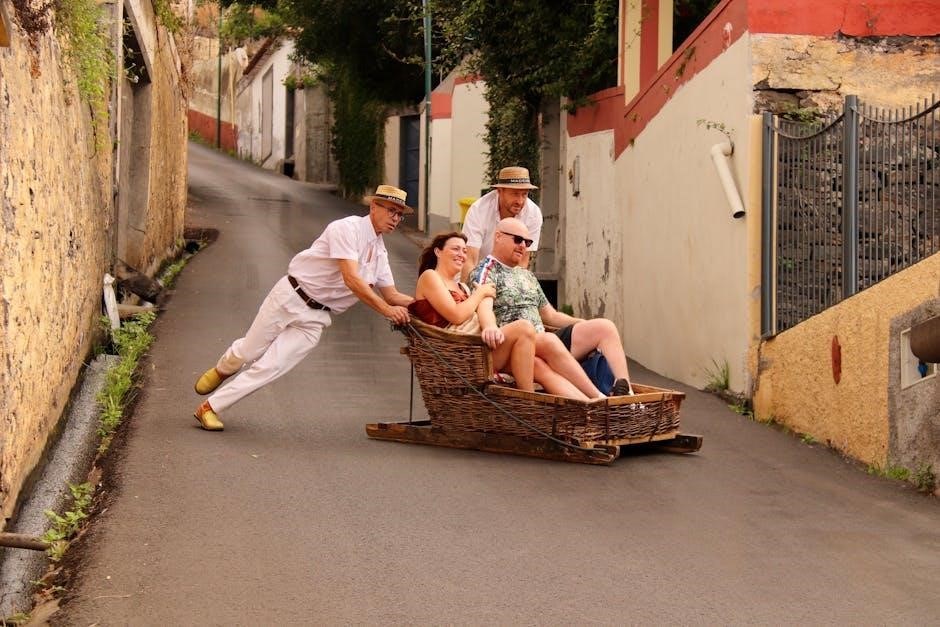
Download offline maps before your trip to navigate without data. Be mindful of data security when using public Wi-Fi networks; a VPN is recommended. Check with your mobile provider about international roaming charges to avoid unexpected bills. Staying connected enhances your self-guided experience.
Sample Itinerary: 10 Days in Tuscany
Day 1-3: Florence – Explore Renaissance art at the Uffizi Gallery, climb Duomo, and savor Florentine steak. Day 4-5: Siena – Discover Piazza del Campo, enjoy local pastries, and visit the Duomo. Day 6-7: San Gimignano – Wander medieval towers, sample Vernaccia wine, and enjoy panoramic views.
Day 8-9: Chianti Region – Wine tasting at vineyards, explore charming villages like Greve in Chianti, and indulge in Tuscan cuisine. Day 10: Pisa – Visit the Leaning Tower and depart from Florence or Pisa airport.