Choosing the right fishing rod size is crucial for success and enjoyment on the water, impacting casting distance,
lure presentation, and fish-fighting ability. Understanding rod characteristics,
like length, power, and action, is fundamental for any angler seeking optimal performance.
Beginners often start with a simple spin-cast combo, but as experience grows,
selecting a rod tailored to specific fishing types—trout, bass, surf, or pike—becomes essential.
Why Rod Size Matters
Rod size directly influences casting distance and accuracy. Longer rods generally facilitate longer casts, beneficial for covering more water, particularly in surf fishing scenarios where reaching beyond breaking waves is vital. Conversely, shorter rods offer greater control and accuracy, ideal for tight spaces like streams or when precise lure placement is needed for trout fishing.
The power of a rod, coupled with its size, dictates the lure weight range it can effectively handle. Using a rod with insufficient power will result in poor casting performance and potentially damage the rod. Conversely, an overpowered rod can make light lures difficult to cast accurately and reduce sensitivity, hindering bite detection.
Furthermore, rod size impacts fish-fighting capabilities. A longer rod provides leverage, aiding in tiring out larger fish, while a rod with appropriate action cushions runs and prevents line breakage. Selecting the correct size ensures a balanced setup, maximizing angler control and increasing the chances of landing a catch. Ultimately, the right rod size enhances the overall fishing experience.
Understanding Rod Components
A fishing rod isn’t just a single piece; it’s a carefully assembled system. The blank, typically made of graphite composite, forms the rod’s core, influencing its flexibility and power. Guides, like those from Fuji utilizing SIC (Silicon Carbide) or Alconite, run along the blank, directing the line smoothly during casting and retrieval. Their size – examples include 20, 12, 8, 6, and 5 – impacts line flow.
The reel seat, often reinforced with metal for durability, securely holds the reel. Rod handles, commonly made of EVA, provide a comfortable and non-slip grip, crucial during extended fights. These components work in harmony to deliver optimal performance.
Understanding how these parts interact is key to choosing the right rod. For instance, high-quality guides minimize friction, enhancing casting distance, while a robust reel seat ensures stability when battling larger species. The interplay between these elements defines a rod’s overall feel and functionality.
Key Rod Characteristics
Rod length, power, and action are the primary characteristics defining a rod’s performance. These elements dictate casting distance, lure control, and fish-fighting capabilities.
Length: A Comprehensive Overview
Fishing rod length significantly influences casting distance and accuracy, as well as overall control. Shorter rods, typically under 7 feet, excel in tight spaces and offer greater accuracy for precise casts, often favored for trout streams. Conversely, longer rods, exceeding 7 feet, generate more casting power, ideal for surf fishing or covering expansive areas when targeting bass.
The 9-foot category is particularly prevalent in trout country, reflecting the need to manage line and present lures effectively in rivers and streams. Hegene rods demonstrate this length variation, ranging from 190cm to 295cm (approximately 6.2 to 9.8 feet) to suit diverse angling situations. Selecting the appropriate length depends on the target species, fishing environment, and personal casting style. Longer rods can be physically demanding, while shorter rods may lack the power for certain techniques.
Power: Light, Medium, Heavy & Beyond
Rod power defines a rod’s resistance to bending and its ability to handle different lure and line weights. It’s categorized as Light, Medium, Heavy, and sometimes Extra Heavy. Light power rods are best for small lures and light line, ideal for panfish or trout, offering sensitivity for detecting subtle bites. Medium power rods are versatile, handling a wider range of lures and fish sizes, suitable for bass or walleye.
Heavy power rods provide the strength needed for larger fish and heavier lures, commonly used in surf fishing or when targeting pike and muskie. Hegene rods, for example, specify a weight range of 3-30g, indicating the power suitable for their intended applications. Matching rod power to line weight is crucial; lighter power rods require lighter line, while heavier power rods demand stronger line to prevent breakage.
Action: Fast, Moderate, Slow Explained
Rod action describes where a rod bends along its length when pressure is applied. It’s categorized as Fast, Moderate, and Slow. Fast action rods bend primarily at the tip, offering high sensitivity and quick hooksets, excellent for techniques like jigging or Texas rigging. Moderate action rods bend more towards the middle, providing a balance of sensitivity and casting distance, suitable for crankbaits or spinnerbaits.
Slow action rods bend along most of their length, offering maximum casting distance and shock absorption, ideal for trolling or using live bait. The Zenaq Snipe S86XX, designed for zander, likely features a moderate-fast action to balance sensitivity with power. Choosing the right action depends on the fishing technique and lure type; faster actions excel with quick presentations, while slower actions are better for longer casts and softer presentations.
Rod Length Guide by Fishing Type
Rod length varies significantly based on the target species and fishing environment. Shorter rods enhance accuracy, while longer rods maximize casting distance,
influencing lure presentation and control.
Trout Fishing Rod Lengths
For trout fishing, rod length is heavily influenced by the fishing location and technique. In smaller streams and creeks, shorter rods – typically ranging from 6 to 7 feet – are preferred. These lengths offer greater accuracy and maneuverability when casting amongst trees and brush. They allow for delicate presentations, crucial for spooky trout in clear water.
However, when fishing larger rivers or lakes, longer rods – between 7.5 and 9 feet – become advantageous. These provide increased casting distance, enabling anglers to reach further feeding lanes and cover more water efficiently. The 9-foot category is particularly popular in trout country, offering a versatile balance between distance and control. Consider the specific conditions; a longer rod might be ideal for nymphing, while a shorter one excels with dry flies.
Ultimately, selecting the appropriate trout rod length depends on personal preference and the unique characteristics of the fishing environment.
Bass Fishing Rod Lengths
Bass fishing rod lengths vary significantly based on the techniques employed and the environment. For general-purpose bass fishing, a 7-foot to 7’6” rod is a popular choice, offering a good balance of casting distance, accuracy, and sensitivity. These lengths work well with a variety of lures and presentations.
However, specialized techniques often demand different lengths. Flipping and pitching around heavy cover typically utilize shorter rods – 6’6” to 7’ – for enhanced control and accuracy in tight spaces. Conversely, crankbait fishing benefits from longer rods, around 7’6” to 8’, to generate more casting distance and leverage during hooksets.
For techniques like Texas rigging or Carolina rigging, a 7’3” to 7’6” rod provides versatility. Ultimately, the ideal bass rod length depends on the angler’s preferred techniques and the specific fishing conditions, allowing for optimal lure control and fish-fighting power.
Surf Fishing Rod Lengths
Surf fishing rod lengths are generally longer than those used for freshwater bass or trout, primarily to facilitate long-distance casting into the surf zone. Rods ranging from 9 to 15 feet are common, with the specific length dictated by the angler’s casting ability, the typical surf conditions, and the target species.
A 10 to 12-foot rod is a versatile starting point for many surf anglers, offering a good compromise between casting distance and manageability. For heavier weights and longer casts, especially when targeting larger species or fishing in rougher conditions, rods of 13 to 15 feet are preferred. These longer rods provide the necessary leverage to launch heavier rigs further offshore.
Okuma Longitude surf fishing rods exemplify this, delivering substantial casting power. Choosing the right length ensures you can effectively reach the fish and present your bait in the desired location, maximizing your chances of success.
Pike & Muskie Fishing Rod Lengths
Pike and muskie fishing demands robust rods capable of handling large lures and powerful fish. Rod lengths typically fall between 7 and 9 feet, prioritizing casting accuracy and control over extreme distance. Shorter rods, around 7 to 7.5 feet, are favored for fishing in tight spaces like weed beds or around submerged timber, offering enhanced maneuverability.
Longer rods, extending to 8.5 or 9 feet, provide increased leverage for setting the hook and fighting these formidable predators. These lengths also aid in casting larger, heavier lures commonly used for muskie and pike, such as bucktails, crankbaits, and jerkbaits. The choice often depends on the angler’s preferred techniques and the specific fishing environment.
Effective hooksets and powerful retrieves are crucial when battling these apex predators, making rod length a significant factor in landing a trophy fish.
Zander Fishing Rod Lengths (e.g., Zenaq Snipe S86XX ⎼ 2.59m)
Zander fishing often benefits from longer rods, enhancing sensitivity and casting distance, particularly when targeting fish in deeper water or across expansive areas. Rod lengths commonly range from 2.40 meters (7’10”) to 2.70 meters (8’10”), providing the necessary reach and control for effective lure presentation.
A prime example is the Zenaq Snipe S86XX, a 2.59-meter (8’6”) rod specifically designed for zander. This handmade Japanese rod boasts a casting weight of 8g to 40g, making it versatile for various zander techniques. Longer rods facilitate better line control during retrieves and improve hooksetting power at a distance.
The choice of length also depends on the fishing method; jigging often favors slightly shorter rods for increased sensitivity, while casting requires longer lengths for distance.
Rod Power & Line Weight Considerations
Rod power dictates the force needed to bend the rod, directly influencing the line weight it can handle effectively. Matching power to line
weight ensures optimal casting and fish-fighting performance.
Light Power Rods & Line Recommendations
Light power rods are ideal for situations demanding finesse and sensitivity, targeting smaller species like panfish, trout, or perch. These rods typically feature a slower action, enhancing casting accuracy with lighter lures and providing a better feel for subtle bites.
When selecting line for a light power rod, consider monofilament in the 4-6 lb test range, fluorocarbon in the 6-8 lb test, or braid with a similar equivalent breaking strength. Using heavier line can overload the rod, diminishing its sensitivity and potentially leading to breakage during a strong hookset or fight.
These rods excel with lures weighing 1/32oz to 1/4oz, including small spinners, jigs, and soft plastics. Remember, matching the line weight to the lure weight and rod power is crucial for achieving optimal casting distance and presentation. A well-balanced setup will significantly improve your angling success when pursuing smaller, delicate fish.
Medium Power Rods & Line Recommendations
Medium power rods represent a versatile choice for a wide range of fishing applications, striking a balance between sensitivity and strength. They are well-suited for targeting bass, walleye, and other medium-sized species, handling a variety of lures and fishing techniques effectively.
For medium power rods, line recommendations generally fall within the 8-12 lb test range for monofilament, 10-14 lb for fluorocarbon, and equivalent braid strengths. This allows for confident hooksets and sufficient power to control fish in various conditions without sacrificing too much sensitivity.
These rods perform admirably with lures weighing 1/4oz to 3/4oz, encompassing crankbaits, spinnerbaits, and larger soft plastics. A balanced setup ensures comfortable casting and optimal lure presentation. Consider the specific fishing scenario and target species when fine-tuning your line choice within this range for enhanced performance.
Heavy Power Rods & Line Recommendations
Heavy power rods are designed for demanding situations, targeting larger fish species like pike, muskie, catfish, or when fishing in heavy cover. These rods possess substantial backbone for powerful hooksets and the ability to winch fish from snag-filled environments.
Line recommendations for heavy power rods typically range from 15-20 lb test monofilament, 12-17 lb fluorocarbon, or equivalent braid strengths. This robust line capacity is essential for battling powerful fish and withstanding the stress of heavy cover. Utilizing heavier line minimizes the risk of break-offs.
Heavy power rods excel with lures weighing 3/4oz and above, including large crankbaits, swimbaits, and heavy jigs. They are also ideal for techniques like flipping and pitching in dense vegetation. Ensure your reel is adequately spooled with line to maximize drag performance and fighting power when encountering trophy-sized fish.
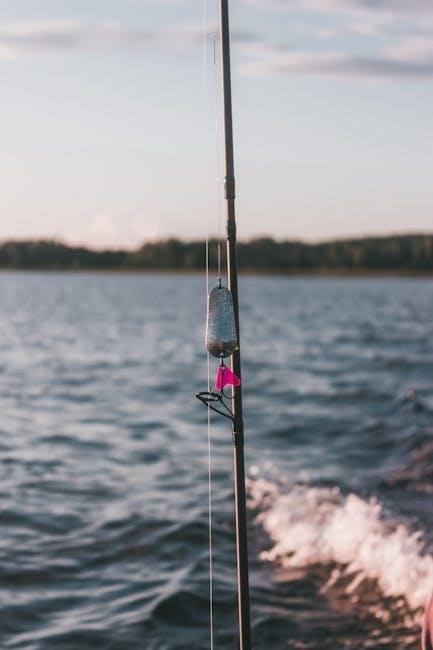
Rod Action & Lure Weight Matching
Rod action—fast, moderate, or slow—dictates where the rod bends, influencing lure presentation and hooksetting power. Matching action to lure weight is vital for optimal performance.
Fast Action Rods & Lure Types
Fast action rods bend primarily at the tip, offering exceptional sensitivity and quick hooksets. This responsiveness makes them ideal for techniques requiring immediate reaction time and precise lure control. They excel with lures that need to be “flicked” or worked quickly, such as jigs, Texas rigs, and Carolina rigs, particularly when targeting bass in cover.
Because of their stiffness, fast action rods are also well-suited for single-hook applications where a solid, immediate hookset is crucial. They transmit vibrations effectively, allowing anglers to detect subtle strikes. However, they may not be the best choice for lighter lures or techniques requiring a more delicate presentation, as the lack of bend can reduce casting distance with lighter weights.
Consider using fast action rods when precision and power are paramount, and when fishing lures that benefit from a quick, assertive response. They are a staple for many competitive anglers and those targeting pressured fish.
Moderate Action Rods & Lure Types
Moderate action rods bend more along the upper half of the blank, providing a balance between sensitivity and power. This flexibility makes them versatile for a wide range of fishing applications and lure types. They are excellent for techniques where a softer presentation is desired, allowing lures to swim more naturally and enticing hesitant fish.
Moderate action rods work exceptionally well with crankbaits, spinnerbaits, and swimbaits, helping to prevent ripping the hook from the fish’s mouth during the retrieve. They also excel with topwater lures, providing enough backbone for setting the hook while still allowing the fish to “mouthing” the lure before a firm hookset.
These rods are a good all-around choice for anglers who want a rod that can handle various situations. They offer a good compromise between casting distance, sensitivity, and fish-fighting ability, making them a popular option for both beginners and experienced anglers.
Slow Action Rods & Lure Types
Slow action rods exhibit the most bend throughout the entire blank, offering minimal backbone and maximum sensitivity. This characteristic makes them ideal for finesse techniques and situations where a delicate presentation is paramount. They excel at absorbing shock during the fight, reducing the risk of breaking light line or pulling the hook free.
These rods are particularly well-suited for fishing with live bait, such as worms or minnows, allowing the bait to move naturally without excessive rod input. They also perform admirably with very light lures like small jigs, drop shots, and Carolina rigs, providing excellent feel for subtle strikes.
Slow action rods are often favored by anglers targeting species known for their delicate bites or inhabiting heavily pressured waters. While they may not offer the casting distance of faster action rods, their sensitivity and ability to protect light line make them invaluable tools for specific fishing scenarios.
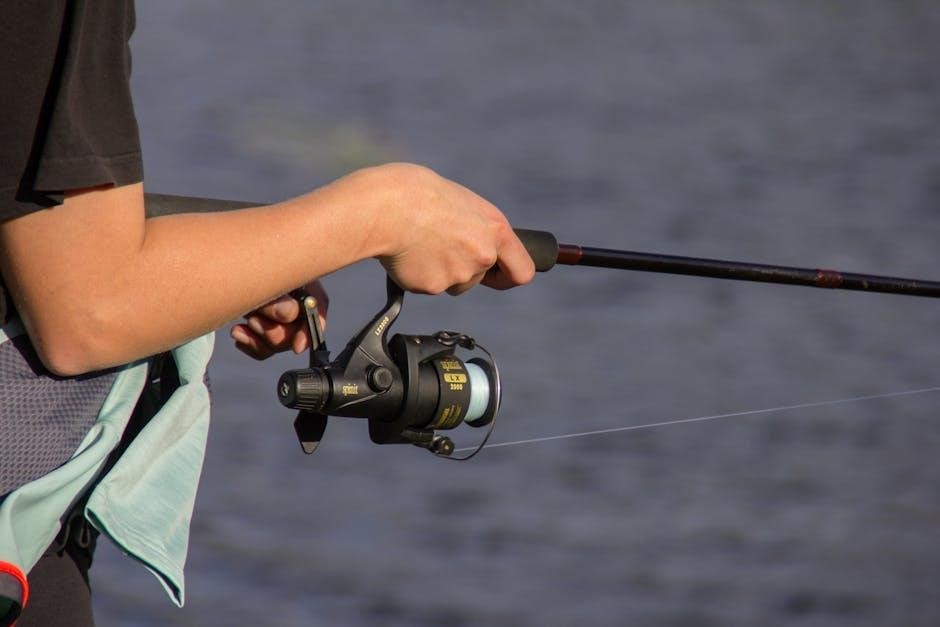
Specific Rod Features & Materials
Rod construction significantly impacts performance. Graphite composite blanks offer sensitivity and lightness, while guide types—like SIC and Alconite—affect line flow.
Comfortable EVA handles and reinforced metal reel seats enhance the angling experience.
Graphite Composite Blanks
Graphite composite blanks represent a popular choice in modern rod construction, offering a compelling balance of performance characteristics. These blanks combine graphite with other materials, often fiberglass, to leverage the strengths of each. Graphite itself is renowned for its exceptional sensitivity, allowing anglers to detect even the most subtle strikes and feel the nuances of the underwater terrain.
The addition of fiberglass enhances the rod’s durability and impact resistance, making it less prone to breakage during casts or when battling powerful fish. This composite approach results in a rod that is both lightweight and strong, reducing angler fatigue during extended fishing sessions. The specific ratio of graphite to fiberglass can vary, influencing the rod’s overall stiffness and action.
Higher graphite content generally equates to increased sensitivity and faster action, while a greater proportion of fiberglass provides more flexibility and a slower action. Ultimately, graphite composite blanks deliver a versatile and reliable foundation for a wide range of fishing applications, catering to diverse angling styles and preferences.
Guide Types: SIC (Silicon Carbide) & Alconite
Fishing rod guides play a critical role in line management and casting performance, and two prominent materials dominate the market: Silicon Carbide (SIC) and Alconite. SIC guides are highly regarded for their exceptional smoothness and durability, minimizing friction as the line travels through them. This reduced friction translates to increased casting distance and improved line flow, particularly when using braided lines.
Alconite guides, while slightly less expensive than SIC, still offer excellent performance and are a popular choice for many rod manufacturers. They provide good smoothness and wear resistance, making them suitable for a wide range of fishing applications. Often, rods will feature a combination of guide materials, utilizing SIC for the first few guides closest to the reel to handle the stress of casting, and Alconite for the remaining guides.
Fuji Alconite rings, often seen in black stainless frames, are a common example, available in various sizes (e.g., 20, 12, 8, 6, 5) to accommodate different line diameters and rod configurations. The choice between SIC and Alconite often depends on budget and the specific demands of the fishing style.
Guide Sizes (e.g., Fuji Alconite ⎼ 20, 12, 8, 6, 5)
Guide size is a crucial aspect of rod construction, directly impacting line flow and casting efficiency. These sizes aren’t measurements of length, but rather a numerical representation of the inner diameter of the guide ring. Larger numbers indicate wider openings, designed for thicker lines or situations requiring minimal line friction. A typical rod setup might employ a series of guides with decreasing sizes moving up the blank.
For instance, a rod might start with a size 20 guide closest to the reel, transitioning through 12, 8, and finishing with sizes 6 and 5 towards the tip. This tapered arrangement ensures smooth line travel and prevents tangling. Fuji Alconite guides are a popular choice, available in these standardized sizes, offering a balance of performance and affordability.
Selecting the correct guide sizes is vital for optimal performance; too small, and the line will bind, reducing casting distance. Too large, and the guide may be unnecessarily bulky. Manufacturers carefully consider line weight recommendations when determining the appropriate guide size sequence for each rod model.
Rod Handles: EVA & Comfort
Rod handles significantly contribute to angler comfort and control, especially during extended fishing sessions. Two primary materials dominate the market: EVA (Ethylene-Vinyl Acetate) and cork. EVA handles, often found on more affordable rods, are lightweight, durable, and offer a non-slip grip, even when wet. They are particularly popular for surf fishing and techniques involving repetitive casting.
Comfort is paramount, and handle design plays a key role. Contoured grips mold to the hand, reducing fatigue, while foregrips are strategically shaped to enhance leverage during casting and retrieves. Reinforced metal reel seats further enhance stability and power transfer.
EVA handles are also easy to clean and maintain, resisting mildew and degradation. The choice between EVA and cork often comes down to personal preference and budget, but prioritizing a comfortable, secure grip is essential for maximizing fishing enjoyment and performance.
Reel Seat Reinforcement (Metal)
Reel seat reinforcement is a critical, often overlooked, aspect of fishing rod construction, directly impacting the rod’s overall strength and longevity. Metal reinforcement, typically utilizing stainless steel or aluminum alloys, provides crucial support where the reel attaches to the rod blank.
This reinforcement is particularly important when battling larger fish or using heavier lines and lures, as it prevents the reel seat from cracking or failing under stress. A robust reel seat ensures efficient power transfer from the angler to the fish, maximizing fighting capability.
Features like reinforced metal wheel seats contribute to increased strength and solidity. Quality reel seats are securely bonded to the rod blank, distributing pressure evenly. Investing in a rod with a well-reinforced reel seat is a worthwhile consideration for serious anglers seeking a durable and reliable fishing tool.
Rod Series Examples & Specifications
Diverse rod series, like Hegene (Multipicker, Swing Tip, Winkle Picker – 190cm-295cm, 3-30g) and Okuma Longitude surf rods, showcase varied lengths and power ratings for specific angling needs.
Hegene Rods (Multipicker, Swing Tip, Winkle Picker ⎼ 190cm-295cm, 3-30g)
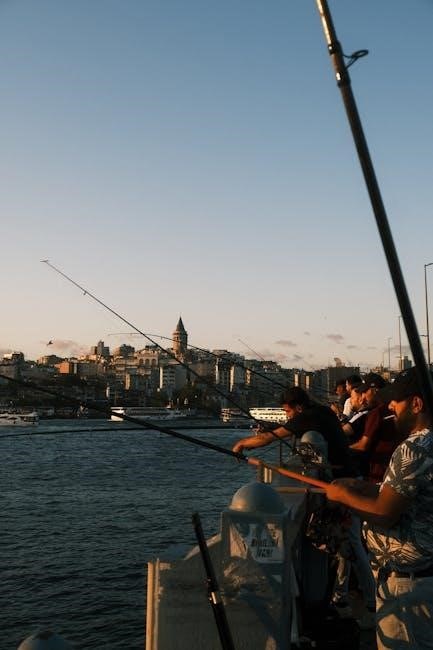
Hegene rods represent a versatile range designed for specialized fishing techniques, notably feeder and specimen angling. The series includes the Multipicker, Swing Tip, and Winkle Picker models, each catering to distinct scenarios and preferences. These rods span a considerable length range, from 190cm for close-range work to 295cm for maximizing casting distance.
A key feature of Hegene rods is their casting weight capacity, typically ranging from 3-30g. This makes them suitable for presenting a variety of bait weights and feeder setups. The Multipicker rod, for instance, often features two tips, allowing anglers to adapt to changing conditions. The Swing Tip model excels in detecting delicate bites, while the Winkle Picker is ideal for precise bait placement. These rods are built with durability and sensitivity in mind, offering a balance crucial for successful fishing.
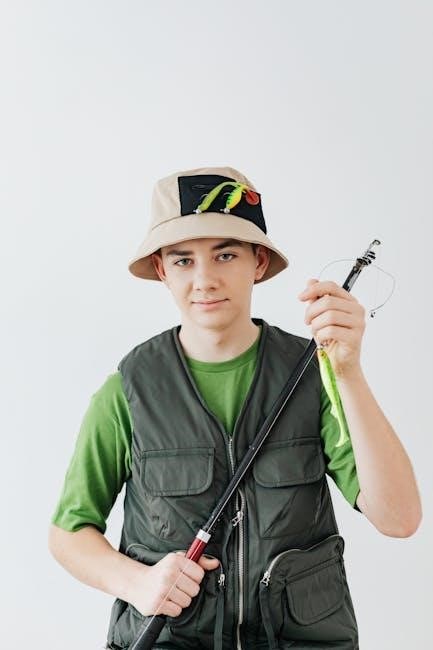
Okuma Longitude Surf Fishing Rods
Okuma Longitude surf fishing rods are engineered for long-distance casting and handling powerful saltwater species. These rods prioritize durability and performance, utilizing graphite composite blanks that offer a blend of sensitivity and strength. They are designed to withstand the harsh conditions of surf fishing environments.
A defining characteristic of the Longitude series is the inclusion of stainless steel double-foot guides with aluminum oxide inserts. These guides minimize line friction, contributing to increased casting distance and smoother line flow. Furthermore, the rods feature a reinforced metal reel seat, enhancing stability and providing a secure connection to the reel. The EVA handle is designed for a comfortable and non-slip grip, even when wet. These features combine to create a reliable and capable rod for surf anglers seeking to conquer challenging conditions.