Are All Semi-Trucks Manual? A Comprehensive Overview (Updated 02/14/2026)

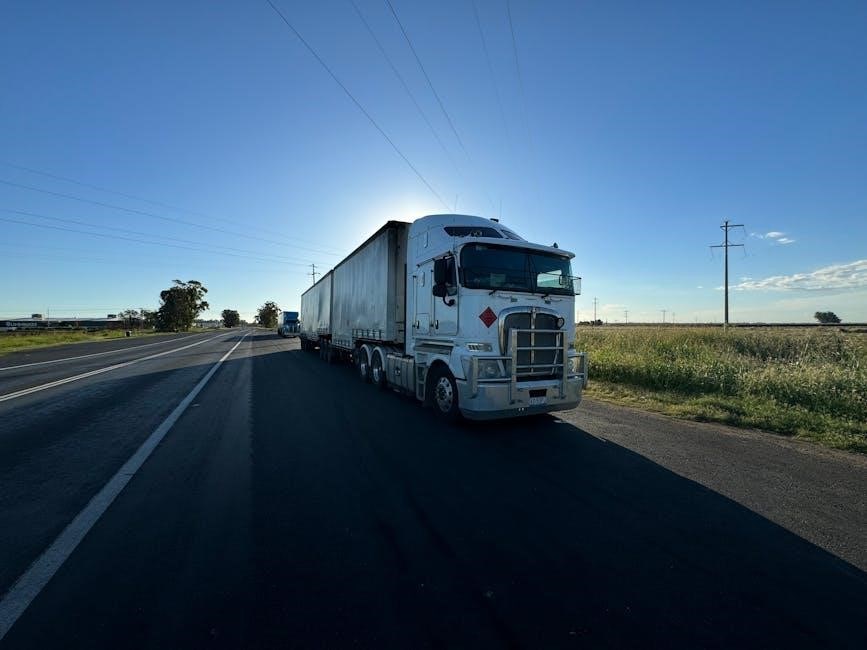
Historically‚ most semi-trucks utilized manual transmissions‚ a tradition deeply rooted in the demands of controlling these massive vehicles․ However‚
modern advancements are shifting this landscape‚ introducing automated and fully automatic options for drivers navigating American roadways․
The Historical Prevalence of Manual Transmissions in Semi-Trucks
For decades‚ manual transmissions were the undisputed standard in the semi-truck industry․ This dominance wasn’t accidental; it stemmed from a combination of technological limitations and practical necessities․ Early semi-truck technology simply didn’t possess the sophistication required for reliable automatic systems capable of handling the immense torque and weight of these vehicles․
Drivers favored manual transmissions for the control they offered‚ particularly when navigating challenging terrains or managing heavy loads․ Mastering a manual gearbox allowed for precise gear selection‚ optimizing engine performance and fuel efficiency․ The skill of “double-clutching” became synonymous with professional truck driving‚ demanding a high level of expertise and coordination․
Furthermore‚ manual transmissions were generally more durable and easier to repair in the field‚ a crucial factor for long-haul truckers operating far from established service centers․ The simplicity of the mechanical design meant fewer components were prone to failure‚ and repairs could often be performed with basic tools and knowledge․ This reliability contributed significantly to the longevity of these trucks and minimized downtime․
Early Semi-Truck Technology and Manual Gearboxes
The earliest semi-trucks‚ emerging in the early 20th century‚ relied heavily on robust‚ yet relatively simple‚ mechanical systems․ These vehicles were essentially heavy-duty trucks adapted for long-haul transportation‚ and their transmissions reflected this pragmatic approach․ Manual gearboxes were the only viable option‚ as the technology for automatic transmissions capable of handling the immense power and weight of a fully loaded semi-truck simply didn’t exist․
These early manual transmissions typically featured a limited number of gears – often four or five – requiring drivers to skillfully manage engine speed and torque to maintain momentum and efficiency․ The gearboxes were built to withstand significant stress‚ utilizing durable materials and robust construction techniques․
The absence of electronic controls or sophisticated hydraulic systems meant that all gear changes were performed manually by the driver‚ demanding considerable physical strength and coordination․ This direct mechanical connection between the driver and the drivetrain provided a tactile feel for the vehicle’s performance‚ allowing experienced drivers to optimize their driving style for various conditions․
The Rise of Automated Manual Transmissions (AMTs)
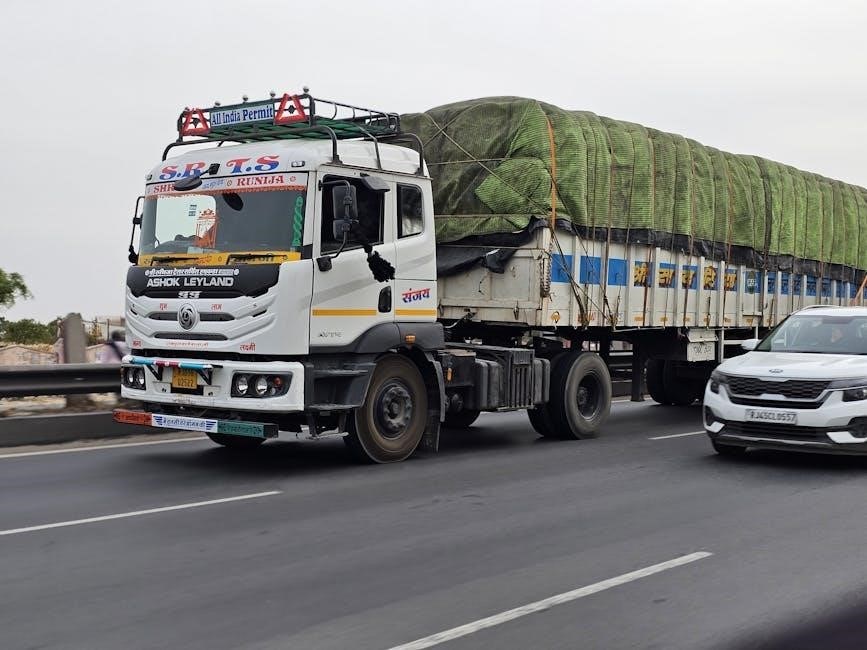
As technology advanced in the late 20th and early 21st centuries‚ a new type of transmission began to emerge in the trucking industry: the Automated Manual Transmission (AMT)․ This wasn’t a fully automatic system‚ but rather a sophisticated evolution of the traditional manual gearbox․ AMTs utilize computer-controlled actuators to shift gears‚ eliminating the need for a clutch pedal and manual gear lever․
The initial adoption of AMTs was driven by a desire to improve fuel efficiency and reduce driver fatigue‚ without completely abandoning the proven reliability of manual transmissions․ These systems offered a compromise‚ retaining the mechanical efficiency of a manual gearbox while automating the shifting process․
Early AMTs faced some criticism regarding shift quality‚ with some drivers reporting jerky or hesitant gear changes․ However‚ continuous improvements in software and hardware have significantly refined the performance of these systems‚ making them increasingly popular among fleet operators and drivers alike․ The rise of AMTs signaled a clear shift away from the complete dominance of traditional manual transmissions․
What is an Automated Manual Transmission (AMT)?
An Automated Manual Transmission (AMT) represents a fascinating blend of traditional and modern technology․ Essentially‚ it’s a standard manual transmission that utilizes electronic and hydraulic systems to execute gear changes automatically․ Unlike a traditional automatic transmission with a torque converter‚ an AMT retains the mechanical efficiency of a manual gearbox‚ directly connecting the engine to the drivetrain․
The key difference lies in how the gear changes are performed․ Instead of a driver operating a clutch pedal and gear lever‚ sensors and a computer control the clutch engagement and gear selection․ Actuators‚ powered by hydraulic or electric motors‚ physically move the gearshift forks‚ mimicking the actions of a skilled driver․
This automation allows for smoother and more efficient operation‚ particularly in stop-and-go traffic or hilly terrain․ While it doesn’t offer the same level of smoothness as a traditional automatic‚ it provides a significant improvement over a fully manual system for many drivers․
How AMTs Function in Semi-Trucks
Within a semi-truck‚ the AMT operates through a sophisticated network of sensors and a Transmission Control Module (TCM)․ These sensors constantly monitor engine speed‚ vehicle speed‚ throttle position‚ and load․ The TCM analyzes this data to determine the optimal gear for any given situation‚ maximizing fuel efficiency and performance․
When a gear change is required‚ the TCM signals actuators to disengage the clutch‚ select the next gear‚ and re-engage the clutch․ This entire process happens seamlessly‚ often in milliseconds‚ minimizing interruption to power delivery․ Drivers can typically override the automated system‚ selecting gears manually if desired‚ offering a degree of control․
Modern AMTs often incorporate features like predictive shifting‚ anticipating gear changes based on road grade and upcoming traffic conditions․ This further enhances efficiency and reduces wear and tear on the drivetrain․ The system also manages the clutch wear‚ optimizing its lifespan and reducing maintenance costs․
The Benefits of AMTs for Truck Drivers
For truck drivers‚ Automated Manual Transmissions (AMTs) offer a significant reduction in workload and physical strain․ Eliminating the constant need to manually shift gears‚ especially in demanding traffic conditions‚ drastically lowers driver fatigue over long hauls․ This improved comfort translates to increased alertness and potentially safer operation․
AMTs also simplify the learning curve for new drivers‚ as they don’t require the same level of proficiency in double-clutching and gear synchronization․ Experienced drivers benefit from the system’s ability to consistently select optimal gears‚ maximizing fuel economy and minimizing engine stress․
Furthermore‚ reduced clutch usage extends the life of clutch components‚ lowering maintenance costs for fleet operators․ The smoother shifting provided by AMTs also contributes to a more comfortable ride and potentially reduces wear on other drivetrain components‚ enhancing overall vehicle reliability․
Fuel Efficiency Gains with AMTs
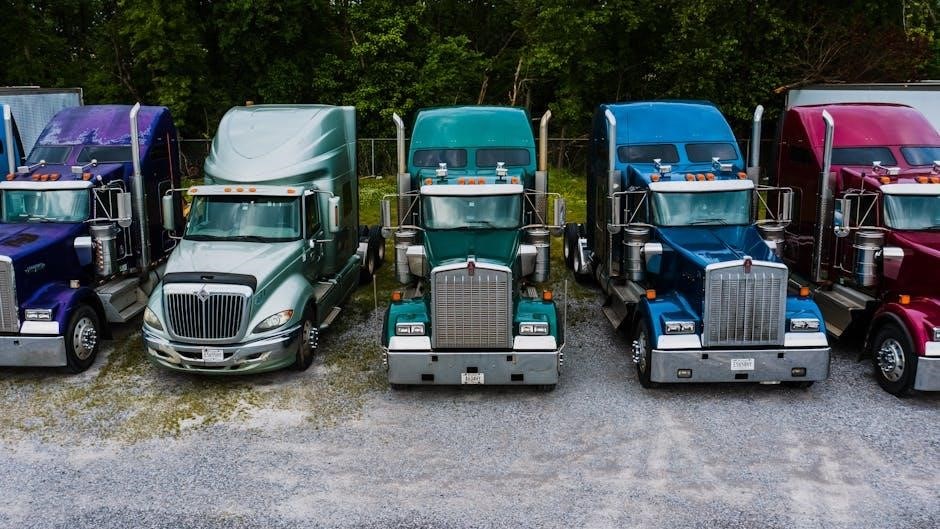
Automated Manual Transmissions (AMTs) demonstrably improve fuel efficiency in semi-trucks by consistently selecting the most appropriate gear for any given driving condition․ Unlike manual transmissions where driver skill significantly impacts fuel economy‚ AMTs optimize gear changes for maximum efficiency‚ minimizing wasted energy․
The precise and rapid shifting of AMTs keeps the engine operating within its most efficient RPM range more consistently․ This optimization reduces fuel consumption‚ particularly during highway driving and in undulating terrain․ Fleet operators see substantial cost savings over time due to these improvements․
Moreover‚ AMTs often incorporate predictive shifting strategies‚ anticipating changes in road grade or speed limits to proactively select the optimal gear․ This forward-thinking approach further enhances fuel economy․ The ability to consistently achieve better MPG is a key driver in the increasing adoption of AMTs within the trucking industry․
Reduced Driver Fatigue and AMTs
A significant benefit of Automated Manual Transmissions (AMTs) is the substantial reduction in driver fatigue․ Traditional manual transmissions require constant clutch operation and gear shifting‚ tasks that can be physically and mentally taxing‚ especially on long hauls․ AMTs eliminate these repetitive actions‚ allowing drivers to focus more intently on steering‚ monitoring traffic‚ and maintaining situational awareness․
The lessened physical strain translates directly into increased driver comfort and reduced fatigue levels․ This is crucial for safety‚ as fatigued drivers are more prone to errors and accidents․ By automating the shifting process‚ AMTs contribute to a safer and more sustainable work environment for truck drivers․
Furthermore‚ reduced fatigue can improve driver morale and job satisfaction․ Less physical exertion allows drivers to arrive at their destinations feeling more refreshed and capable‚ positively impacting their overall well-being and performance․
The Increasing Popularity of Automatic Transmissions
While manual and AMT transmissions historically dominated the semi-truck market‚ fully automatic transmissions are experiencing a surge in popularity․ This shift is driven by advancements in automatic transmission technology‚ making them increasingly capable and efficient for heavy-duty applications․ Modern automatic transmissions offer smoother operation‚ improved fuel economy‚ and enhanced driver comfort‚ challenging the long-held preference for manual control․
Several factors contribute to this growing trend․ The demand for drivers is high‚ and automatic transmissions lower the barrier to entry for less experienced operators․ Additionally‚ fleet managers recognize the potential for reduced driver training costs and improved safety with automatic systems․
The perception of automatics as less durable or powerful is fading as manufacturers demonstrate their reliability and performance in demanding trucking environments․ This increasing acceptance is paving the way for wider adoption across various trucking sectors․
Fully Automatic Transmissions in Modern Semi-Trucks
Modern fully automatic transmissions in semi-trucks represent a significant departure from traditional manual gearboxes․ Unlike AMTs which still rely on computer-controlled shifting of a manual gearbox‚ these systems utilize a torque converter and planetary gearsets to provide seamless‚ continuous gear changes․ This design eliminates the need for the driver to manually clutch or shift‚ resulting in a smoother and more comfortable driving experience․
These transmissions often feature sophisticated electronic controls that optimize gear selection based on factors like vehicle speed‚ load‚ and road conditions․ This intelligent shifting contributes to improved fuel efficiency and reduced wear and tear on the drivetrain․
Manufacturers are continually refining these systems‚ increasing their durability and expanding their capabilities to handle the demanding requirements of long-haul trucking․ They are becoming a viable and increasingly preferred option for many fleets and owner-operators․
The Advantages of Fully Automatic Transmissions
Fully automatic transmissions offer several compelling advantages for semi-truck operators․ The most prominent benefit is a significantly reduced cognitive load for drivers․ Eliminating the need for constant clutching and shifting allows them to focus more intently on road conditions‚ traffic‚ and overall safety․ This is particularly crucial on long hauls where driver fatigue is a major concern․
Furthermore‚ automatic transmissions generally result in smoother acceleration and deceleration‚ minimizing jerky movements that can contribute to cargo damage․ The optimized gear selection provided by the electronic controls also enhances fuel efficiency‚ leading to cost savings for trucking companies․
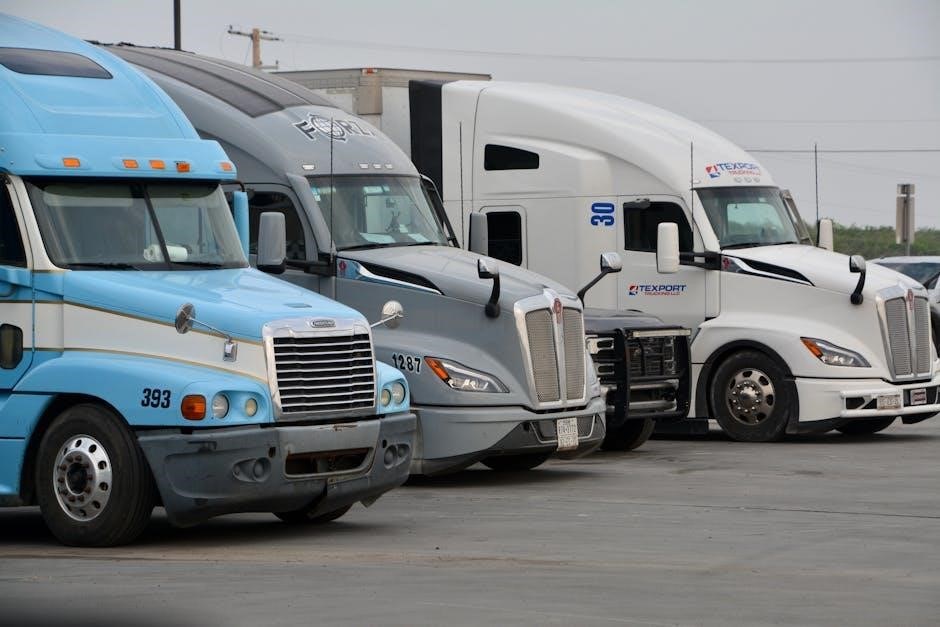
Reduced driver training time is another key advantage‚ as new drivers don’t need to master the complexities of manual shifting․ This can accelerate onboarding and reduce training expenses․ Finally‚ the decreased stress on the drivetrain can potentially lower maintenance costs over the vehicle’s lifespan․
The Disadvantages of Fully Automatic Transmissions
Despite their benefits‚ fully automatic transmissions in semi-trucks aren’t without drawbacks․ A primary concern is the potential for reduced driver control‚ particularly in challenging conditions like steep grades or icy roads․ Experienced drivers accustomed to manual control may feel less connected to the vehicle and its performance․
Initial purchase costs are typically higher for trucks equipped with fully automatic transmissions compared to their manual counterparts․ While long-term maintenance may be lower‚ the upfront investment can be substantial․ Repairing these complex systems can also be more expensive and require specialized technicians․
Some drivers also report a feeling of “disconnect” or less direct engagement with the driving experience․ Additionally‚ while fuel efficiency is often improved‚ it isn’t always guaranteed and can depend heavily on driving style and load conditions․ Weight is also a factor‚ as automatic transmissions can add to the overall vehicle weight․
Current Market Share: Manual vs․ Automatic/AMT
As of late 2025 and early 2026‚ the market share of semi-truck transmissions is undergoing a significant shift․ While manual transmissions once dominated the industry‚ their prevalence is steadily declining․ Current estimates suggest that manual transmissions now account for roughly 30-40% of new semi-truck sales․
Automated Manual Transmissions (AMTs) have gained considerable traction‚ capturing approximately 35-45% of the market․ Their blend of efficiency and driver comfort has made them a popular choice for long-haul operations․ This growth is fueled by fleet operators seeking to reduce fuel costs and driver fatigue․
Fully automatic transmissions represent the remaining 20-30%‚ and their market share is also increasing‚ albeit at a slower pace than AMTs․ The exact percentages vary depending on the manufacturer and specific application‚ but the trend is clear: the future of semi-truck transmissions is leaning towards automation․ The 500+ billion miles logged in 2022 reflect this evolving landscape․
Major Semi-Truck Manufacturers and Transmission Choices
Leading semi-truck manufacturers now offer a diverse range of transmission options‚ moving beyond the traditional dominance of manual gearboxes․ Freightliner provides choices including manual‚ AMT (Automated Manual Transmission)‚ and fully automatic transmissions‚ catering to varied operational needs․
Kenworth similarly offers a spectrum‚ with manual options still available but increasingly complemented by AMTs and automatic alternatives․ Peterbilt follows suit‚ recognizing the demand for automated solutions to enhance driver comfort and fuel efficiency․
Volvo and Western Star are at the forefront of transmission innovation‚ heavily promoting AMTs and fully automatic systems․ They emphasize the benefits of these technologies in reducing driver strain and optimizing performance․ These manufacturers understand that the 500 billion+ miles driven annually require adaptable transmission solutions․ Consequently‚ they are actively investing in and expanding their automated transmission offerings‚ signaling a clear shift away from exclusively manual systems․
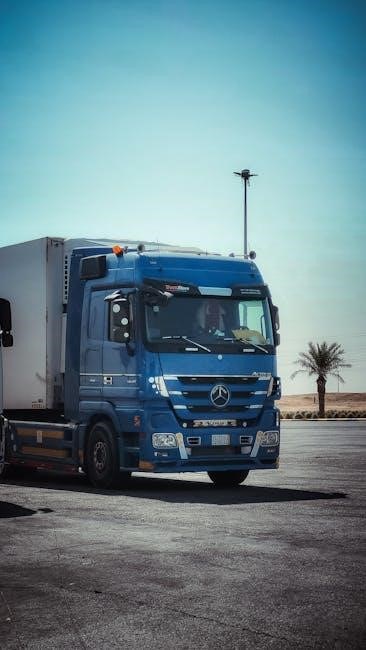
Freightliner Transmission Options
Freightliner‚ a prominent semi-truck manufacturer‚ presents a comprehensive array of transmission choices for its diverse vehicle lineup․ While manual transmissions remain available‚ particularly for owner-operators preferring direct control‚ they are no longer the sole offering․
Automated Manual Transmissions (AMTs)‚ like the Detroit DT12‚ are increasingly popular‚ providing the efficiency of a manual with the ease of an automatic․ These systems are favored for long-haul applications‚ enhancing fuel economy and reducing driver fatigue;
Fully automatic transmissions‚ such as the Allison series‚ are also available‚ offering a smoother driving experience and simplified operation․ Freightliner’s cascade models can be configured with these options․ The availability of these diverse choices reflects a broader industry trend‚ acknowledging that not all drivers or applications require a traditional manual gearbox․ This flexibility allows fleets and individual drivers to select the transmission best suited to their specific needs and operational priorities‚ moving beyond the historical reliance on manual systems․
Kenworth Transmission Options
Kenworth‚ renowned for its durable and technologically advanced semi-trucks‚ offers a spectrum of transmission options catering to varied operational demands․ While manual transmissions historically formed the backbone of Kenworth’s offerings‚ the landscape is evolving rapidly․
Automated Manual Transmissions (AMTs)‚ such as Eaton’s Advantaged Series‚ are gaining significant traction within the Kenworth lineup․ These transmissions provide the benefits of a manual – efficiency and control – coupled with the convenience of automated shifting‚ improving fuel economy and driver comfort on long hauls;
Fully automatic transmissions‚ including options from Allison‚ are also available‚ particularly for specialized applications where ease of operation is paramount․ Kenworth’s commitment to providing diverse transmission choices demonstrates a shift away from the traditional reliance on manual gearboxes․ This allows customers to tailor their trucks to specific needs‚ whether prioritizing driver experience‚ fuel efficiency‚ or the demands of particular cargo and routes․
Peterbilt Transmission Options
Peterbilt‚ a leading manufacturer of heavy-duty trucks‚ presents a diverse array of transmission choices‚ moving beyond the historical dominance of manual transmissions․ Recognizing the evolving needs of the trucking industry‚ Peterbilt now integrates advanced technologies into its drivetrain offerings․
Automated Manual Transmissions (AMTs)‚ like the Eaton Fuller AutoShift series‚ are increasingly popular within Peterbilt’s models․ These AMTs deliver the efficiency of a manual gearbox with the ease of automatic operation‚ enhancing fuel economy and reducing driver fatigue on extended routes․ They represent a significant step towards modernized trucking solutions․
Fully automatic transmissions‚ sourced from Allison‚ are also available‚ particularly suited for vocational applications demanding simplified operation and precise control․ Peterbilt’s flexible approach to transmission options allows fleet managers and owner-operators to configure their vehicles for optimal performance‚ balancing cost‚ efficiency‚ and driver preference․ This demonstrates a clear departure from a solely manual-transmission past․
Volvo and Western Star Transmission Options
Volvo and Western Star‚ both prominent players in the North American trucking market‚ have significantly broadened their transmission offerings‚ moving away from the traditional reliance on manual transmissions․ Both brands now provide a spectrum of options catering to diverse operational demands and driver preferences․
Automated Manual Transmissions (AMTs)‚ such as Volvo’s I-Shift‚ are central to their modern lineups․ The I-Shift is renowned for its intelligent shifting algorithms‚ optimizing fuel efficiency and minimizing wear and tear․ Western Star also offers AMTs‚ providing similar benefits to its customers․ These systems represent a substantial advancement in drivetrain technology․
Fully automatic transmissions are also available‚ particularly in vocational models where precise control and ease of operation are paramount․ This flexibility allows Volvo and Western Star to serve a wide range of applications‚ from long-haul trucking to construction and heavy hauling․ The shift towards automation reflects the industry’s commitment to improved efficiency and driver comfort․
The Future of Semi-Truck Transmissions
Predicting the future of semi-truck transmissions reveals a clear trajectory: continued dominance of automated technologies and a gradual phasing out of traditional manual gearboxes․ Long-haul trucking will likely see near-universal adoption of AMTs and fully automatic transmissions‚ driven by fuel efficiency mandates and the ongoing driver shortage․
Advanced driver-assistance systems (ADAS) will become increasingly integrated with transmission control units‚ enabling predictive shifting and optimized performance based on road conditions and traffic flow․ Expect further refinement of AMT software‚ leading to smoother‚ more intuitive operation․ Electric semi-trucks will almost exclusively utilize single-speed or multi-speed automatic transmissions due to the nature of electric motors․
Connectivity and data analytics will play a crucial role‚ allowing fleet managers to monitor transmission performance‚ identify maintenance needs‚ and optimize driver training․ While a niche market for manual transmissions may persist in specialized applications‚ the overall trend points towards a fully automated future for semi-truck drivetrains․
Predictions for Transmission Technology in Long-Haul Trucking
Long-haul trucking’s transmission future centers on maximizing efficiency and mitigating driver challenges․ We anticipate a significant rise in the sophistication of Automated Manual Transmissions (AMTs)‚ incorporating predictive maintenance features based on real-time data analysis․ These systems will learn driver habits and road conditions to optimize gear selection‚ further enhancing fuel economy․
Fully automatic transmissions will continue to gain traction‚ particularly as manufacturers refine their designs to address concerns about weight and complexity․ Hybrid and electric semi-trucks will overwhelmingly favor automatic systems‚ simplifying operation and integrating seamlessly with electric drivetrains․ Expect advancements in transmission control software‚ enabling over-the-air updates and remote diagnostics․
The demand for skilled manual transmission drivers will likely diminish‚ potentially impacting driver training programs․ Ultimately‚ the industry will prioritize technologies that reduce operational costs‚ improve safety‚ and attract a new generation of drivers‚ solidifying the shift away from purely manual systems․