
Article Plan: False Doctrines in the Church Today
This exploration delves into the persistent issue of false teachings, examining historical precedents and contemporary challenges within the church, as documented in recent studies.
Throughout history, the church has consistently faced the insidious threat of false doctrines, a challenge acutely relevant today, as evidenced by ongoing scholarly attention (Bivens, 1996; Hossler, 2024). This isn’t merely a matter of differing interpretations; it’s a fundamental struggle to uphold scriptural truth against deviation.
Recent research (Phillips, 2013) highlights the early church’s battles with doctrinal uncertainty, mirroring present-day concerns. The proliferation of misinformation demands vigilance from both leaders and laity. Ignoring this threat risks compromising the faith and fracturing church unity, necessitating a proactive response rooted in discernment and sound doctrine.
II. Historical Context: False Doctrine Throughout Church History
The struggle against false doctrine isn’t new; it’s woven into the fabric of church history. From the early church (Hossler, 2024; Phillips, 2013), grappling with nascent heresies, to the medieval period’s complex doctrinal disputes, and the Reformation’s fracturing over theological interpretations, the church has continually faced internal challenges.
These historical precedents demonstrate a recurring pattern. False teachings, often subtly presented, have consistently threatened core beliefs. Understanding this historical context is crucial for recognizing contemporary distortions and responding effectively, learning from past successes and failures in safeguarding doctrinal purity.
A. Early Church Challenges (1st-4th Centuries)
The nascent church faced immediate doctrinal threats. As highlighted by recent scholarship (Hossler, 2024; Phillips, 2013), Paul’s letters addressed emerging distortions of the Gospel, emphasizing sound doctrine. Gnostic teachings, denying the full humanity of Christ, and various interpretations of Jewish law presented significant challenges.
These early controversies demanded clear articulation of core beliefs. Church leaders actively combatted these errors, establishing foundational doctrines through councils and writings. This period underscores the vital need for discernment and robust theological defense from the very beginning.
B. Medieval Period & Doctrinal Disputes
The Medieval era witnessed complex doctrinal struggles. The Catholic Church faced internal challenges and external criticisms, leading to disputes over sacraments, papal authority, and theological interpretations. Scholasticism, while aiming for clarity, sometimes fostered intricate debates removed from pastoral concerns.
Heresies like Catharism and Waldensianism arose, questioning established church practices and beliefs. These movements prompted responses, including inquisitions, aimed at maintaining doctrinal purity. This period demonstrates the ongoing tension between theological precision and perceived threats to orthodoxy.

C. Reformation Era & Emerging Denominations
The Reformation dramatically reshaped the Christian landscape. Martin Luther’s challenges to indulgences and papal authority ignited widespread debate, fracturing Western Christianity. Key doctrinal disputes centered on justification by faith, the authority of Scripture, and the nature of the sacraments.
This era saw the emergence of Protestant denominations – Lutheran, Reformed, Anabaptist – each with distinct theological emphases. While seeking to restore biblical truth, these movements also introduced new interpretations, sometimes leading to further divisions and disagreements about essential doctrines.
III. Defining False Doctrine: Scriptural Basis
Scripture provides a clear foundation for identifying false doctrine. 2 Peter 2:1-3 warns against “destructive heresies,” highlighting the danger of teachers introducing “secretly pernicious doctrines.” Matthew 7:15 cautions against false prophets “in sheep’s clothing.”

Sound doctrine, as emphasized in Titus 2:1-2 and 1 Timothy 6:3-5, is crucial for spiritual health. These passages underscore the importance of teaching and believing truth, rejecting anything that deviates from apostolic teaching and biblical standards.
A. Biblical Warnings Against False Teachers (2 Peter 2:1-3, Matthew 7:15)
The Bible offers stark warnings concerning false teachers and their deceptive practices. 2 Peter 2:1-3 specifically denounces those who introduce “destructive heresies,” subtly leading believers astray with false doctrines. These individuals exploit faith for personal gain, bringing divine judgment upon themselves.
Matthew 7:15 cautions discernment, warning of “false prophets” disguising themselves as genuine, emphasizing the need to identify them by their “fruits” – their actions and teachings.
B. The Importance of Sound Doctrine (Titus 2:1-2, 1 Timothy 6:3-5)
Sound doctrine is foundational for spiritual health and unity within the church. Titus 2:1-2 instructs believers to speak truthfully, conveying the doctrine, ensuring maturity and resisting those who contradict it. This emphasizes the necessity of accurate teaching for genuine growth.
1 Timothy 6:3-5 warns against discord arising from “false teachings” and those consumed by “contendings about words,” highlighting that sound doctrine fosters godliness and rejects empty debates.
IV. Contemporary False Doctrines: An Overview

Today’s church faces numerous doctrinal challenges, impacting core beliefs. Contemporary issues include distortions of the doctrine of sin, often minimizing its gravity or denying its consequences. Misconceptions surrounding salvation frequently arise, promoting works-based righteousness or universal reconciliation;
These errors, as highlighted in recent analyses, necessitate discernment. The prevalence of these false teachings underscores the urgent need for robust biblical understanding and faithful instruction within the church community.
A. Challenges to the Doctrine of Sin
Contemporary challenges to the doctrine of sin manifest in several ways, diminishing its significance. Some teachings downplay the pervasive nature of sin, suggesting human goodness outweighs inherent depravity. Others minimize personal responsibility, attributing actions to external factors rather than internal corruption.
These perspectives, as noted in recent studies, often lead to a diluted view of redemption and the necessity of Christ’s atoning sacrifice, impacting the understanding of grace.
B. Misconceptions Regarding Salvation
Misconceptions surrounding salvation frequently arise, distorting the biblical narrative of God’s grace and human response. One prevalent error is the belief that salvation is attainable through human effort or good works, rather than solely by faith in Jesus Christ.
Another distortion involves universalism, suggesting all paths lead to God, negating the unique salvific power of the Gospel, as highlighted in recent analyses of false teachings.

V. Specific False Teachings: Detailed Examination
A critical examination reveals several distinct false teachings gaining traction within contemporary church settings. The Prosperity Gospel, emphasizing material wealth as a sign of God’s favor, fundamentally misrepresents scriptural teachings on suffering and discipleship.
Furthermore, Universalism, the belief in eventual salvation for all, contradicts clear biblical warnings about judgment. Syncretism, blending Christian beliefs with New Age philosophies, also poses a significant threat, distorting core doctrines.
A. Prosperity Gospel & Materialism
The Prosperity Gospel presents a distorted view of faith, asserting that financial blessing is a direct reward for believing. This doctrine prioritizes material gain, often neglecting biblical emphasis on sacrifice, humility, and spiritual growth. It subtly promotes materialism, suggesting God’s favor is contingent upon wealth accumulation.
This teaching contradicts scriptures highlighting the potential for suffering and persecution for righteousness’ sake, ultimately misrepresenting the nature of God’s grace and true discipleship.
B. Universalism & Annihilationism
Universalism posits that all individuals will ultimately be saved, negating the biblical concept of judgment and hell. Conversely, Annihilationism claims the unsaved are not eternally tormented but cease to exist. Both deviate from traditional understandings of divine justice and the consequences of rejecting Christ.
These doctrines challenge the seriousness of sin and the necessity of faith in Jesus for eternal life, diminishing the urgency of the gospel message and God’s righteous character.
C. New Age Influences & Syncretism
The infiltration of New Age philosophies, blending Eastern mysticism with Christian terminology, presents a subtle yet dangerous form of false teaching. Syncretism, the merging of beliefs, often diminishes the uniqueness of the gospel, promoting a diluted spirituality.
This manifests as acceptance of practices like meditation for spiritual enlightenment, contradicting biblical principles and potentially leading believers away from genuine faith in Christ and His Word.
VI. The Role of Leadership in Addressing False Doctrine
Church leadership bears a significant responsibility to safeguard the flock from deceptive teachings, mirroring the apostolic example of diligent oversight. Pastoral duty, as outlined in Acts 20:28-31, demands vigilance against those who distort truth.

Equipping the saints, through biblical instruction (Ephesians 4:11-16), empowers believers to discern error and defend the faith, fostering a resilient community grounded in sound doctrine and spiritual maturity.
A. Pastoral Responsibility (Acts 20:28-31)
Paul’s charge to the Ephesian elders in Acts 20:28-31 establishes a foundational principle: protect the flock from “grisly wolves” – those who introduce destructive heresies. This isn’t merely doctrinal purity, but safeguarding spiritual well-being.
Pastors must actively defend truth, confronting false teachers and diligently instructing believers in sound doctrine, preventing the insidious spread of error that can fracture faith and distort the Gospel message.
B. Equipping the Saints (Ephesians 4:11-16)
Ephesians 4:11-16 highlights the crucial role of leadership in equipping believers for discernment and spiritual maturity. This involves providing the tools – biblical knowledge and critical thinking skills – necessary to identify and reject deceptive teachings.
Rather than simply dictating belief, leaders must empower the congregation to engage Scripture, fostering a community capable of collectively recognizing and resisting false doctrine, ensuring robust spiritual growth.
VII. Recognizing and Responding to False Teaching
Effective discernment requires diligent biblical literacy and a commitment to understanding core doctrines. Believers must actively study Scripture, comparing teachings against its established truths to identify deviations.
Responding to false teaching necessitates a balance of loving correction and a desire for restoration (Galatians 6:1). While firmly upholding truth, approach with grace, seeking to gently guide individuals away from error and towards sound doctrine, prioritizing unity.
A. Discernment & Biblical Literacy
Cultivating discernment is paramount in navigating the complexities of modern theological landscapes. A robust biblical literacy forms the foundation, enabling believers to critically evaluate teachings and identify inconsistencies with established scriptural truth.
This involves consistent study, coupled with prayerful consideration, allowing the Holy Spirit to illuminate understanding. Recognizing false doctrines demands a proactive approach, moving beyond superficial acceptance to rigorous examination of claims against the Word of God.
B. Loving Correction & Restoration (Galatians 6:1)
Responding to false teaching necessitates a spirit of humility and grace, mirroring the restorative approach outlined in Galatians 6:1. Correction should be delivered with gentleness, aiming not to condemn, but to guide individuals back to sound doctrine.
Genuine love compels us to address error, yet always prioritizing the well-being and potential restoration of the one misled. This requires patience, empathy, and a commitment to biblical truth, fostering reconciliation rather than division.
VIII. The Impact of False Doctrine on Church Unity
False doctrines inherently fracture church unity, creating divisions and hindering the collective witness of believers. Disagreements over fundamental truths, like the nature of sin or salvation, can lead to schisms and lasting animosity.
When core beliefs are compromised, fellowship suffers, and the body of Christ is weakened. Maintaining doctrinal purity is, therefore, crucial for preserving unity and effectively fulfilling the Great Commission, as highlighted in various studies.
IX. Paul’s Instructions to Timothy: A Timeless Model
Paul’s charge to Timothy regarding sound doctrine provides a timeless blueprint for addressing false teaching within the church. His admonitions emphasize the critical importance of guarding the truth and faithfully proclaiming it, even amidst opposition.
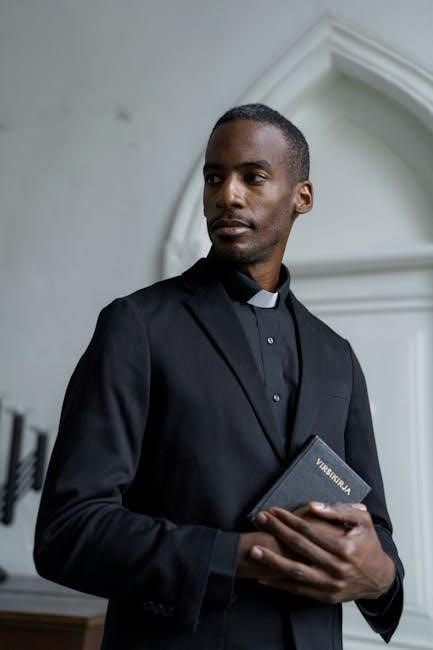
This model, detailed in his letters, stresses equipping believers to discern truth from error and lovingly correcting those who stray. Studying Paul’s approach offers invaluable guidance for contemporary church leaders facing similar challenges, as recent research confirms.
XI. Doctrinal Differences vs. Fundamental Errors
Distinguishing between legitimate doctrinal differences and genuinely harmful errors is crucial for maintaining unity within the church. While disagreements on non-essential matters, like eschatology, can exist, fundamental deviations from core beliefs demand careful attention.
Recent studies highlight the need to avoid overreacting to minor variations while firmly addressing teachings that deny Christ’s Lordship or distort the Gospel message, as evidenced by historical and contemporary analyses.
XII. False Teaching and Denial of Christ’s Lordship
False teachings often extend beyond mere doctrinal disagreements, ultimately leading to a denial of Christ’s authority and rightful control over one’s life. This rejection of His Lordship represents a severe spiritual danger, undermining the very foundation of the Christian faith.
As documented in recent research, such denial manifests through various distortions of scripture, impacting believers’ obedience and commitment to Christ’s teachings and commands.
XIII. Navigating Non-Essential Doctrinal Disagreements

While significant doctrinal differences exist, particularly concerning eschatology, discerning between non-essential disagreements and fundamental errors is crucial for maintaining unity within the church. Focusing on core beliefs allows for grace and understanding regarding differing interpretations.
Recent studies highlight the importance of respectful dialogue and avoiding division over issues that do not impact salvation or core Christian tenets, fostering fellowship despite varied perspectives.
XIV. The Catholic Church and Historical Crises
Throughout its history, the Catholic Church has faced numerous crises and challenges stemming from doctrinal disputes and the emergence of false teachings. Authors have extensively analyzed these periods, attempting to characterize the various challenges encountered from its inception.
Understanding how the Church navigated past uncertainties provides valuable insight into addressing contemporary false doctrines and maintaining doctrinal integrity amidst ongoing pressures and evolving interpretations.
XV. Resources for Identifying and Refuting False Doctrine
Effectively combating false teachings requires equipping believers with the tools for discernment and robust biblical understanding. Recent scholarship, including dissertations and studies, highlights the prevalence of doctrinal errors and the need for vigilance.
Accessing resources that analyze these errors, like those examining challenges to the doctrine of sin, empowers individuals to identify and refute false claims, safeguarding the church’s foundational truths.
XVI. Conclusion: Remaining Vigilant in the Faith
The enduring threat of false doctrine demands continuous vigilance and a steadfast commitment to sound biblical teaching. As historical analyses and contemporary studies reveal, doctrinal purity is crucial for church unity and spiritual health.
Emulating Paul’s example to Timothy – prioritizing sound doctrine – equips believers to discern truth from error, resisting influences like the prosperity gospel and universalism, and safeguarding the faith for generations.