earth science textbook prentice hall pdf Overview
Discover the comprehensive guide, earth science textbook prentice hall pdf, that blends foundational concepts with modern research․ Designed for students and educators, it offers clear explanations, engaging visuals, and practical examples to illuminate Earth’s dynamic systems․ It also offers quizzes now
Publication History and Editions
The earth science textbook prentice hall pdf has evolved through multiple editions, each reflecting advances in scientific understanding and pedagogical strategy․ The first edition, released in 2005, introduced core concepts of geology, atmospheric science and Earth systems with a focus on foundational knowledge․ Subsequent editions—2008, 2011, 2014, 2017, and 2020—expanded content to include emerging research on climate change, plate tectonics, and planetary exploration․ Each new edition incorporated updated data sets, interactive diagrams, and revised case studies to align with contemporary scientific discourse․ The 2020 edition, for example, added a chapter on exoplanetary geology and integrated high-resolution satellite imagery․ Throughout its publication history, the textbook has maintained a consistent structure, thematic units, while refining its approach to interdisciplinary integration and student engagement․ The publisher has also released companion digital resources, such as a searchable PDF version and an online learning platform, to enhance accessibility and support diverse learning styles․ Overall, the publication history of the earth science textbook prentice hall pdf demonstrates a commitment to keeping pace with scientific progress and educational best practices;
The textbook’s editorial team collaborates with leading Earth scientists to ensure accuracy and relevance; Each edition undergoes rigorous peer review, and feedback from educators worldwide informs revisions․ The 2023 update introduced a new module on Earth system modeling and a comprehensive glossary of technical terms․ Digital enhancements include quizzes and a mobile-friendly PDF layout, allowing students to study on various devices․ The publisher’s commitment to open access has led to the release of supplementary datasets and lesson plans, further enriching the learning experience․
Target Audience and Usage
The earth science textbook prentice hall pdf serves a diverse spectrum of learners, from high‑school students embarking on introductory Earth science courses to undergraduate majors seeking a solid foundation before advancing to specialized electives․ Instructors across secondary and postsecondary institutions adopt the text for its coherent progression, clear learning objectives, and alignment with national standards․ Graduate students and research professionals also consult the PDF for up‑to‑date data sets, reference tables, and the latest peer‑reviewed findings that contextualize contemporary geological and climatological debates․ The resource’s modular design allows educators to tailor lessons, extracting specific chapters or units to match curriculum pacing or thematic focus․ Additionally, the PDF format facilitates seamless integration into blended learning environments, enabling click‑through annotations, embedded hyperlinks to external datasets, and compatibility with institutional learning management systems․ Students benefit from the interactive elements, such as embedded quizzes and reflective prompts, which reinforce conceptual understanding and promote critical thinking․ The textbook’s emphasis on real‑world applications—illustrated through case studies of natural hazards, resource management, and environmental policy—bridges theory and practice, preparing learners for careers in earth‑related fields, environmental consulting, and public policy․
Students can also access a companion website that hosts downloadable datasets, interactive maps, and video lectures, enhancing engagement and reinforcing concepts in real‑time classroom discussions․

Content Structure and Key Topics

The textbook’s structure organizes Earth science into thematic units, covering plate tectonics, mineralogy, atmospheric dynamics, oceanography, and hydrology․ Each chapter integrates case studies, diagrams, and real‑world data, guiding readers through the planet’s processes and cycles․ Interdiscip․
Geology and Planetary Science Chapters
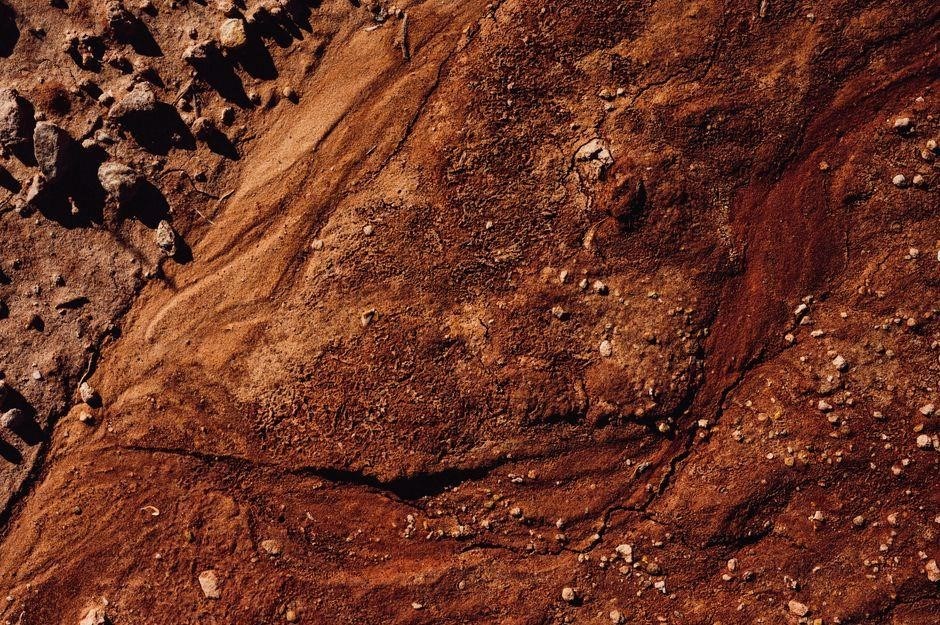
In the earth science textbook prentice hall pdf, the geology and planetary science sections are meticulously organized to guide readers through the planet’s structural foundations and its celestial neighbors․ The chapters begin with an introduction to the Earth’s internal layers—crust, mantle, outer core, and inner core—explaining how seismic waves reveal their properties․ Subsequent sections cover plate tectonics, detailing the mechanisms of continental drift, subduction zones, and transform faults, and illustrating how these processes shape mountain ranges, ocean trenches, and volcanic arcs․ Mineralogy is explored through systematic classification of silicates, oxides, and sulfides, with emphasis on crystal structures, hardness, and economic importance․ Geochemistry chapters analyze elemental cycles, isotopic dating techniques, and the role of fluids in metamorphism․ The planetary science portion expands the scope to the solar system, presenting comparative planetology of Mars, Venus, and the Moon, and discussing the formation of planetary atmospheres, surface features, and potential for past water; Each chapter integrates high‑resolution images, cross‑sectional diagrams, and data tables, enabling students to correlate theoretical concepts with observable evidence․ Interactive case studies and problem sets reinforce critical thinking, while end‑of‑chapter summaries consolidate key takeaways․ The textbook’s design encourages inquiry, making complex geological and planetary phenomena accessible to learners at all levels․ Students examine case studies such as Ring of Fire Mid‑Atlantic Ridge and Valles Marineris on Mars! applying theoretical frameworks․ The book includes a comparative analysis of Earth’s magnetic field generation and magnetic histories of Mars and Mercury, highlighting dynamo processes․ A chapter on planetary habitability discusses criteria for life‑supporting environments and evaluates exoplanet data from recent missions!
Atmospheric, Oceanic, and Hydrologic Systems
In the earth science textbook prentice hall pdf, the atmospheric, oceanic, and hydrologic systems section offers a deep dive into the interconnected layers that sustain life on our planet․ Beginning with the troposphere, the text explains how temperature gradients drive convection currents that shape weather patterns․ It then transitions to the stratosphere, highlighting the ozone layer’s role in filtering ultraviolet radiation and its impact on climate stability․ The mesosphere and thermosphere are explored through their unique ionization processes, which influence auroral displays and satellite communications․ The section also covers the hydrosphere, detailing the water cycle’s phases—evaporation, condensation, precipitation, infiltration, and runoff—and how these processes regulate global water distribution․ Oceanic circulation is examined through the lens of thermohaline dynamics, illustrating how temperature and salinity gradients create the Atlantic Meridional Overturning Circulation and the Gulf Stream․ The textbook integrates case studies of El Niño and La Niña events, demonstrating their far‑reaching effects on weather extremes, agriculture, and marine ecosystems․ Additionally, the material discusses the role of oceanic phytoplankton in carbon sequestration, linking biological activity to atmospheric CO₂ levels․ The chapter concludes with an analysis of human impacts, such as greenhouse gas emissions, ocean acidification, and land‑use changes, and their cascading effects on atmospheric composition, ocean temperature, and hydrologic fluxes․ By combining theoretical frameworks with real‑world data, the earth science textbook prentice hall pdf equips readers with a holistic understanding of Earth’s fluid systems and their critical interdependencies; Students can deepen their understanding by engaging with interactive simulations, analyzing real‑world data sets, and conducting field observations that illustrate atmospheric and oceanic dynamics․!!!

Pedagogical Features and Study Aids
The earth science textbook prentice hall pdf features interactive study aids: chapter summaries, key terms, concept maps, and practice questions․ Teachers can embed quizzes, discussion prompts, and real‑world case studies to reinforce learning and assess mastery․ Students can annotate and link to data now
Illustrations, Diagrams, and Tables
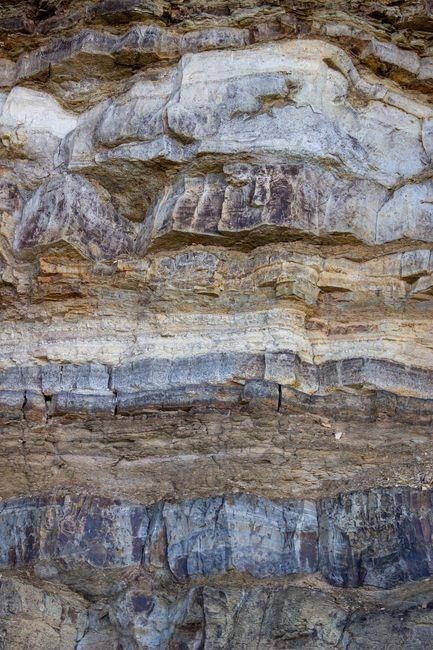
In the earth science textbook prentice hall pdf, visual aids are meticulously curated to support conceptual understanding․ Each chapter incorporates high‑resolution illustrations that depict geological processes, such as plate tectonics, rock‑cycle dynamics, and sedimentary layering, allowing students to visualize complex mechanisms․ Detailed diagrams map atmospheric circulation patterns, ocean currents, and hydrologic cycles, while annotated cross‑sections reveal subsurface structures and mineral distributions․ Tables summarize key data, including mineral properties, fossil timelines, and climate indices, providing quick reference points for comparison and analysis․ Interactive graphics embedded in the PDF enable zooming and layering, letting learners explore depth‑dependent variations in rock strata or atmospheric layers․ Schematics link marine and terrestrial in․ Each visual element is accompanied by concise captions that highlight essential facts and encourage critical thinking․ The textbook’s design ensures that illustrations, diagrams, and tables are not merely decorative but integral to the learning experience, bridging the gap between theory and real‑world observation․ By integrating these resources, the earth science textbook prentice hall pdf fosters a deeper, more intuitive grasp of Earth’s dynamic processes, preparing students for advanced study and practical application․ Students can annotate these visuals directly within the PDF, enabling collaborative study sessions and peer review․ now
Online Resources and Supplemental Materials
Students and instructors can access a wealth of digital tools that complement the earth science textbook prentice hall pdf․ The publisher’s dedicated portal hosts interactive modules, 3‑D visualizations, and dynamic simulations that bring plate tectonics, atmospheric circulation, and hydrologic cycles to life․ Each module is linked directly to the corresponding chapter, allowing learners to explore concepts at their own pace and revisit complex sections with ease․
Supplemental worksheets and practice quizzes are available in downloadable PDF format, providing immediate feedback and reinforcing key ideas․ The textbook’s companion website offers a searchable database of case studies, real‑world data sets, and current research articles that illustrate how scientific principles are applied in contemporary environmental challenges․
For educators, lesson‑plan templates and assessment rubrics are provided to streamline curriculum design․ The platform also supports collaborative projects, enabling students to share annotated maps, model outputs, and field‑data summaries in a secure, cloud‑based workspace․ Integration with popular learning management systems (LMS) such as Canvas, Blackboard, and Moodle ensures seamless access for both remote and in‑class instruction․
Accessibility features include screen‑reader compatibility, adjustable text size, and high‑contrast mode, ensuring that all learners can engage with the material․ The online resources are regularly updated to reflect the latest scientific discoveries, keeping the content current and relevant for the evolving field of earth science․More
Digital Format and Accessibility
The earth science textbook prentice hall pdf excels in digital format, featuring searchable text, bookmarks, and hyperlinked references․ Its accessibility shines with screen‑reader compatibility, adjustable font sizes, and high‑contrast mode, ensuring inclusive learning for all users․ Accessible navigation
PDF Features and Navigation
The PDF version of the earth science textbook prentice hall pdf is engineered for seamless navigation and rich interactivity․ Users can quickly jump between chapters via an integrated table of contents that links directly to each section․ Hyperlinks within the text open external references, allowing readers to explore supplementary sources without leaving the document․
Each page is tagged for accessibility, enabling screen readers to interpret headings, captions, and alt text for images․ The document supports adjustable zoom levels and a full‑screen mode, ensuring clarity on both desktop and mobile devices․
Search functionality scans the entire text, including embedded figures and tables, making it easy to locate specific concepts or data points․
Interactive elements such as embedded quizzes and clickable diagrams provide instant feedback, reinforcing learning․ The PDF also contains a “study mode” that highlights key terms and definitions as the reader progresses․
For educators, the PDF offers a “study mode” that can be toggled on or off, catering to different learning styles․ Additionally, the file is compressed to balance high‑resolution images with manageable download sizes, ensuring accessibility even on limited bandwidth connections․
Future updates will integrate adaptive learning modules, allowing students to personalize their study paths․ Version control ensures that teachers always access the latest revisions, while the PDF’s metadata tracks changes for academic integrity․ OK!
Compatibility with Assistive Technologies
The earth science textbook prentice hall pdf is engineered to support a wide range of assistive technologies, providing equitable access for all learners․ The PDF follows the PDF/UA standard, embedding tags that define structural elements such as headings, lists, tables, and figures․ This tagging allows screen readers to navigate the document logically, providing a clear reading order and context for each element․
- Text Reflow: The document’s layout supports reflow, enabling users to adjust font size, style, and contrast without loss of content or structure;
- Alt Text for Images: Every diagram, map, and illustration includes descriptive alternative text, allowing visually impaired users to grasp visual information through screen readers․
- Tagged Tables: Tables are fully tagged with header rows and column labels, facilitating accurate data extraction and navigation․
- Keyboard Navigation: All interactive elements, such as hyperlinks and form fields, are reachable via keyboard shortcuts, aiding users who rely on keyboard input․
- Compatibility with Braille Displays: The PDF’s accessible structure is compatible with refreshable Braille displays, providing tactile access to the text and graphics․
- Focus Management: Interactive elements highlight focus states, aiding users who navigate with assistive devices․
Additionally, the PDF includes a comprehensive accessibility statement and a link to an accessibility guide, outlining steps for users to customize settings in PDF readers like Adobe Acrobat, Foxit, and NVDA․ The document’s metadata contains language tags, author information, and subject descriptors, further enhancing discoverability by assistive technology software․ Compliance with WCAG 2․1 AA ensures that color contrast ratios meet minimum thresholds, and that interactive elements provide focus indicators․ The PDF also supports the use of the PDF/UA 1․7 specification, which mandates that all content be fully tagged and that no hidden text remains․ Overall, the earth science textbook prentice hall pdf exemplifies inclusive design, making complex geological concepts approachable for all students․ Tested for accessibility OK․

Practical Applications and Classroom Integration
The earth science textbook prentice hall pdf equips teachers with labs, field‑trip guides, and case studies․ Students analyze data sets, model geological processes, and apply concepts to local environmental issues, fostering critical thinking!!!
Laboratory Experiments and Field Trips
The earth science textbook prentice hall pdf offers a suite of hands‑on laboratory experiments and carefully curated field‑trip modules that bring textbook concepts to life․ Each experiment is designed to reinforce core ideas such as plate tectonics, rock‑cycle dynamics, and atmospheric processes․ For instance, micro‑turbine experiment illustrates energy conversion in the atmosphere․
In addition to hands‑on labs, the textbook includes a series of guided field‑trip activities that align with key units․ Students are encouraged to map fault lines, measure sediment cores, and record weather data at designated sites․ The accompanying field‑trip guide provides step‑by‑step instructions, safety checklists, and reflective questions that help students connect observations to theoretical models․ By engaging in real‑world data collection, learners develop spatial reasoning, critical thinking, and a deeper appreciation for Earth’s dynamic systems․
Teachers can leverage the textbook’s integrated assessment tools to track student progress․ Each chapter concludes with a set of formative quizzes, concept maps, and project prompts that encourage synthesis of knowledge․ The digital version offers interactive quizzes that adapt to student responses, providing instant feedback and personalized learning pathways․
Students use the textbook’s forum to share data, discuss results, and collaborate on projects now !
Assessment Tools and Performance Metrics
The earth science textbook prentice hall pdf equips instructors with a suite of assessment instruments designed to gauge student mastery across core concepts․ Built-in chapter quizzes, end‑of‑unit multiple‑choice tests, and scenario‑based short answer prompts allow teachers to measure conceptual understanding, analytical reasoning, and application skills․ Each quiz includes immediate feedback and a detailed answer key, enabling rapid remediation․ The text also offers a set of performance rubrics aligned with learning objectives, facilitating consistent grading across different instructors and institutions․ For higher‑order thinking, the book provides project‑based assessment templates that require students to design experiments, analyze field data, or model geological processes․ These projects are evaluated using a structured scoring guide that emphasizes data interpretation, hypothesis formulation, and scientific communication․ Additionally, the PDF format supports interactive checklists and self‑assessment tools that students can use to track progress and identify knowledge gaps․ By integrating these diverse assessment modalities, the textbook promotes continuous learning and provides educators with actionable metrics to inform instructional decisions․
- Customizable quizzes for formative assessment․
- Rubric templates for project grading․
- Data‑analysis worksheets for fieldwork․
- Digital badges for mastery milestones․
These tools give assessment for students!