Cosplay: A Comprehensive Beginner’s Guide
Cosplay.com offers a vibrant hub for enthusiasts, providing tutorials, resources, and community interaction for newcomers eager to explore this creative hobby.
What is Cosplay?
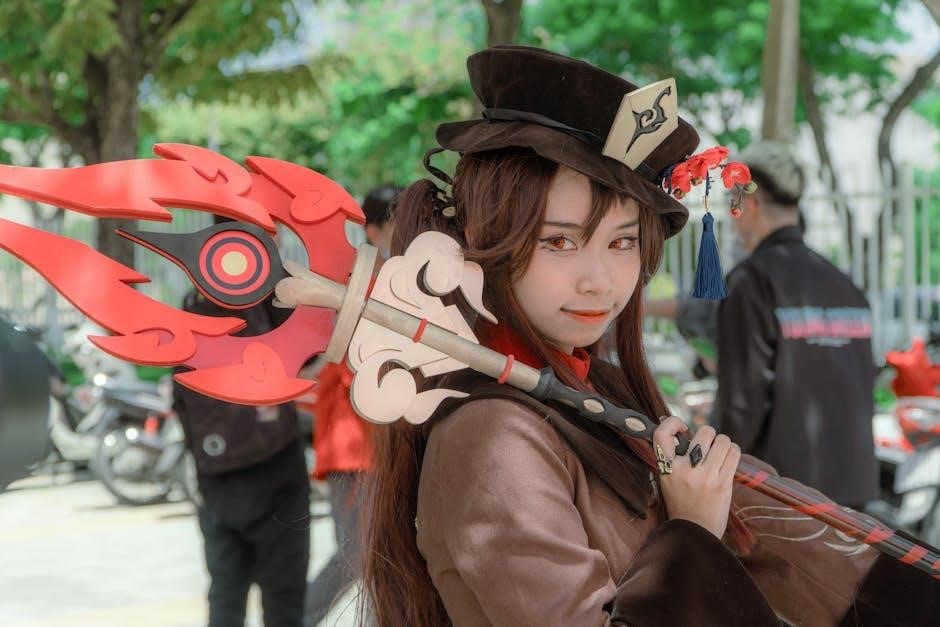
Cosplay, a portmanteau of “costume play,” is the practice of dressing up as characters originating from various forms of media – encompassing movies, books, anime, manga, comic books, and video games. It’s far more than simply wearing a costume; it’s a dedicated hobby and a powerful form of self-expression.
Individuals engage in cosplay to embody and celebrate characters they admire, showcasing creativity through costume construction, prop making, and performance. It allows cosplayers to connect with like-minded individuals, fostering a strong sense of community and shared passion. Cosplay serves as an outlet for artistic expression, building confidence, and appreciating beloved fictional worlds. It’s a dynamic and evolving art form enjoyed globally.
Why People Cosplay: Exploring the Motivations
The motivations behind cosplay are incredibly diverse and personal. Many cosplayers express a deep appreciation for a favorite character, wanting to bring that character to life and share their enthusiasm with others. Creativity is a huge driver; building costumes and props provides a fulfilling artistic outlet.
For some, cosplay is about building confidence and stepping outside of their comfort zone. It allows individuals to embody a different persona and explore aspects of themselves they might not otherwise. The strong sense of community within the cosplay world is also a significant draw, offering friendship and support. Ultimately, cosplay is a joyful and empowering hobby fueled by passion and self-expression.
Getting Started with Your First Cosplay
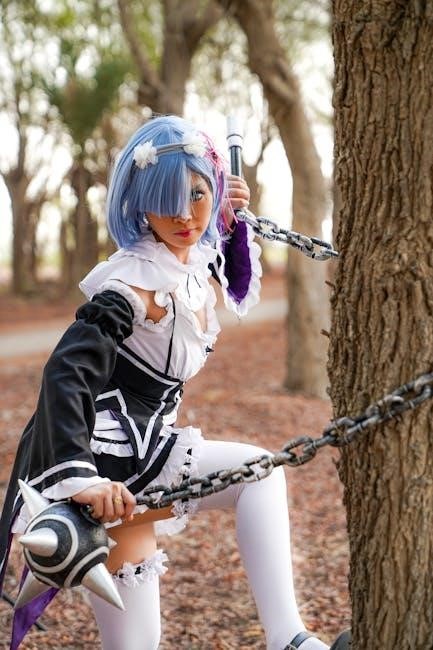
Embarking on your cosplay journey begins with selecting a character, understanding the “good, fast, cheap” principle, and thoroughly researching your chosen role.
Choosing Your First Character
Selecting the right character is paramount for a positive initial cosplay experience. Begin with a character you genuinely love – passion fuels dedication! Consider complexity; avoid overly intricate designs for your debut. A simpler costume allows you to focus on learning fundamental skills without feeling overwhelmed.
The “Choose Two” concept is helpful: prioritize either accuracy or comfort/cost, but rarely all three simultaneously. Don’t be afraid to start small and gradually increase the challenge with subsequent projects. Research is key! Understand the character’s design details, including clothing, accessories, and any unique features.
Think about practicality – can you realistically move and function in the costume at conventions? Ultimately, choose a character that excites you and inspires you to learn and create!
The “Good, Fast, Cheap” Principle
The “Good, Fast, Cheap” principle is a cornerstone of beginner cosplay planning. It states you can only realistically optimize for two of these qualities. A cosplay can be good quality and fast to make, but will likely be expensive. Or, it can be cheap and fast, but the quality will suffer.
Trying to achieve all three simultaneously is often unrealistic, especially for beginners. Prioritize what matters most to you. If accuracy is crucial, be prepared to invest time and money. If you need a costume quickly for an event, accept that compromises may be necessary;
Understanding this trade-off helps manage expectations and avoid frustration. It’s a valuable lesson in resource allocation and project management within the cosplay hobby.
Researching Your Chosen Character
Thorough research is paramount before embarking on a cosplay project. Don’t rely solely on a single image! Gather references from multiple angles – official artwork, screenshots from the source material, and even figures or statues. Pay close attention to details: color palettes, patterns, textures, and any unique accessories.
Consider the character’s personality and how it might influence their posture and mannerisms. Understanding their backstory can inform your portrayal.
Break down the costume into its component parts. Identify materials that accurately represent the character’s attire. Detailed research prevents costly mistakes and ensures a more authentic and satisfying final result.

Essential Cosplay Skills & Techniques
Mastering basic sewing, prop creation, and wig styling are fundamental skills for cosplayers, enabling them to bring their favorite characters to life effectively.
Basic Sewing for Cosplay Beginners
Embarking on cosplay often involves some sewing, even for beginners! Don’t be intimidated; start with straightforward projects to build confidence. Learning basic stitches – running stitch, backstitch, and slip stitch – is crucial. Familiarize yourself with fabric types commonly used in cosplay, understanding their drape and suitability for different designs.
Practice on scrap fabric first! This allows you to refine your technique without risking your final cosplay materials. Simple patterns are your friend; avoid complex designs initially. Resources like online tutorials and books can provide step-by-step guidance. Gradually, you can progress to more challenging techniques, like working with zippers or creating simple linings. Remember, patience and practice are key to improving your sewing skills for cosplay!
Prop Making Fundamentals
Cosplay often extends beyond clothing to include props – essential accessories that complete a character’s look. Prop making can range from simple crafts to complex builds, but fundamental techniques apply across the board. Common materials include EVA foam, Worbla, PVC pipes, and 3D-printed components. Learning to safely use tools like craft knives, heat guns, and sanding tools is paramount.
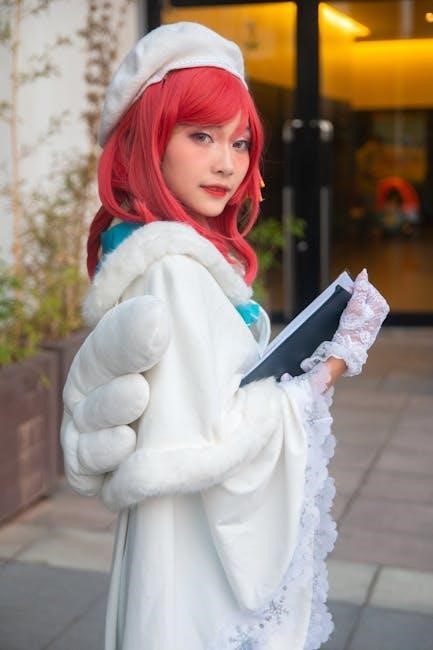
Start with simpler props to gain experience. Focus on clean construction and accurate detailing. Research your chosen prop thoroughly, gathering reference images from multiple angles. Consider the prop’s weight and how it will be carried during wear. Don’t be afraid to experiment with different materials and techniques to achieve the desired effect. Safety first – always wear appropriate protective gear!
Wig Styling: A Beginner’s Overview
Wigs are frequently a crucial element of cosplay, transforming your appearance to match your chosen character. Beginner wig styling involves understanding basic techniques like brushing, teasing, and using hairspray. Purchasing a wig cap is essential for a secure and comfortable fit. Heat styling tools, like curling irons and straighteners (with appropriate heat settings for synthetic fibers!), can reshape the wig.
Start with simple styles and gradually increase complexity. Learning to trim and layer a wig takes practice. Utilize tutorials and reference images to guide your styling process. Remember to brush the wig gently to avoid damage. Proper storage is also key – use a wig stand to maintain its shape. Patience and experimentation are vital for achieving the desired look!

Materials and Budgeting
Cosplay materials vary widely, from fabrics and foam to thermoplastics and paints; careful budgeting is essential for managing project costs effectively.
Common Cosplay Materials: A Breakdown
Fabric is a cornerstone, encompassing everything from inexpensive cotton for practice to luxurious silks and brocades for detailed costumes. Foam, particularly EVA foam, is incredibly versatile for armor and props, being lightweight, easy to shape, and paint. Thermoplastics like Worbla and Sintra offer durability and complex shaping possibilities, though at a higher cost.
Beyond these, consider craft foam for smaller details, PVC pipes for structural elements in props, and various paints, adhesives, and sealants for finishing. Wigs, often synthetic, are crucial for character accuracy, requiring styling and maintenance. Don’t forget accessories like contact lenses (with proper eye care!), makeup, and footwear to complete the look. Sourcing materials strategically – online retailers, fabric stores, and even repurposed items – can significantly impact your budget.
Budgeting for Your Cosplay Project
Effective budgeting is essential for a successful cosplay. Begin by listing every anticipated expense: materials (fabric, foam, paint), tools (sewing machine, cutting mats), accessories (wigs, lenses), and even convention costs (travel, lodging, tickets). Prioritize needs versus wants; a highly accurate cosplay isn’t always the most affordable.
Consider the “Good, Fast, Cheap” principle – you typically can only maximize two of these. Explore cost-saving options like repurposing existing clothing, utilizing sales and coupons, and borrowing or trading materials with fellow cosplayers. Track your spending diligently and allocate a buffer for unexpected costs. Remember, a fantastic cosplay doesn’t require breaking the bank; creativity and resourcefulness are key!

Building Your Cosplay Community
Connect with fellow cosplayers through online forums like Reddit’s r/CosplayHelp and platforms like Cosplay.com, fostering collaboration and shared learning experiences.
Finding Cosplay Events and Conventions
Immerse yourself in the cosplay world by attending events and conventions! These gatherings offer incredible opportunities to showcase your creations, admire the work of others, and participate in contests. However, due to recent global events, like the Covid crisis, event schedules have become unpredictable, leading to temporary suspensions of event calendars on sites like Cosplay.com.
Despite these challenges, keep an eye out for announcements as schedules normalize. Local comic book stores, anime clubs, and online cosplay communities are excellent resources for discovering regional events. Larger conventions often feature dedicated cosplay tracks with workshops, panels, and photo shoots. Remember to check event websites for specific guidelines regarding cosplay policies and safety regulations before attending. Networking at these events can also lead to lasting friendships and collaborative projects within the cosplay community.
Online Cosplay Resources and Communities
The internet is a treasure trove for aspiring cosplayers! Platforms like Cosplay.com connect hundreds of thousands of users globally, allowing you to upload photos, showcase costumes, follow fellow enthusiasts, and engage in lively discussions. Kamui Cosplay provides tutorials, books, and videos offering valuable insights into the craft. Reddit’s r/CosplayHelp is another fantastic resource, offering advice on everything from sewing to prop making and photoshoot tips.
These online communities foster a supportive environment where you can ask questions, share progress, and receive constructive feedback. Don’t hesitate to explore forums, social media groups, and dedicated websites to expand your knowledge and connect with like-minded individuals. Remember to respect community guidelines and contribute positively to the collaborative spirit.

Sharing Your Creations
Document your cosplay journey and utilize photography tips to beautifully showcase your hard work and dedication to the cosplay community online.
Cosplay Photography Tips
Capturing the essence of your cosplay requires thoughtful photography. Consider location scouting – finding a backdrop that complements your character is crucial. Lighting is paramount; natural light is often best, but learn to utilize artificial sources effectively.
Communicate with your photographer! Discuss poses that showcase your costume’s details and embody the character’s personality. Don’t be afraid to experiment with dynamic poses and expressions.
Post-processing can enhance your photos, but avoid over-editing; Subtle adjustments to color and contrast can make a big difference. Remember to credit both the photographer and the cosplayer when sharing images online, fostering a respectful and collaborative environment within the community. High-quality photos truly elevate the presentation of your cosplay!
Documenting Your Cosplay Journey
Preserving the memories of your cosplay creations is incredibly rewarding. Start a progress journal, detailing each stage – from initial character selection and research to construction and final presentation. Photographs are essential, capturing not only the finished look but also the “making of” process.
Share your journey online! Platforms like Cosplay.com allow you to upload photos, track costumes, and connect with fellow enthusiasts. Consider creating a dedicated social media account to showcase your work and interact with the community.
Reflect on each project – what did you learn? What would you do differently next time? Documenting your journey fosters growth and allows you to appreciate your evolving skills.
Advanced Cosplay Techniques
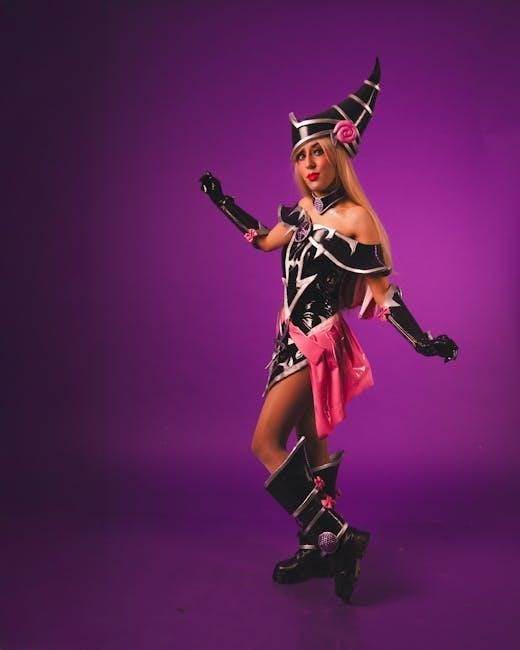
Elevate your craft with armor construction and special effects! Explore complex builds and techniques to truly embody your chosen character’s essence.
Armor Construction Basics
Venturing into armor creation opens a new dimension of cosplay possibilities, allowing for incredibly detailed and impressive costumes. Beginners often start with EVA foam, a versatile and forgiving material, readily available and easy to shape with heat tools. Understanding patterns is crucial; templates can be found online or drafted from scratch, ensuring a proper fit.
Reinforcing the foam with contact cement or Worbla adds durability. Sealing the foam is essential before painting, preventing paint from being absorbed and creating a smooth surface. Painting techniques range from acrylics to spray paints, with weathering effects adding realism. Safety is paramount – always use appropriate ventilation and protective gear when working with heat and chemicals. Remember to prioritize comfort and mobility alongside aesthetics!
Special Effects in Cosplay
Elevate your cosplay with captivating special effects! From glowing weaponry to dynamic lighting and simulated elemental powers, the possibilities are vast. LED lights are a popular choice for illuminating props and costumes, easily integrated with battery packs and switches. Consider using acrylic paints that react to blacklights for a striking visual impact.
For more advanced effects, explore techniques like fog machines for atmospheric drama or simple electronics to create moving parts. Safety is key – always prioritize secure wiring and non-toxic materials. Research tutorials and online communities for inspiration and guidance. Remember, even subtle effects can dramatically enhance your character portrayal and create a memorable impression!