Argan Oil Hair Dye Instructions: A Comprehensive Guide
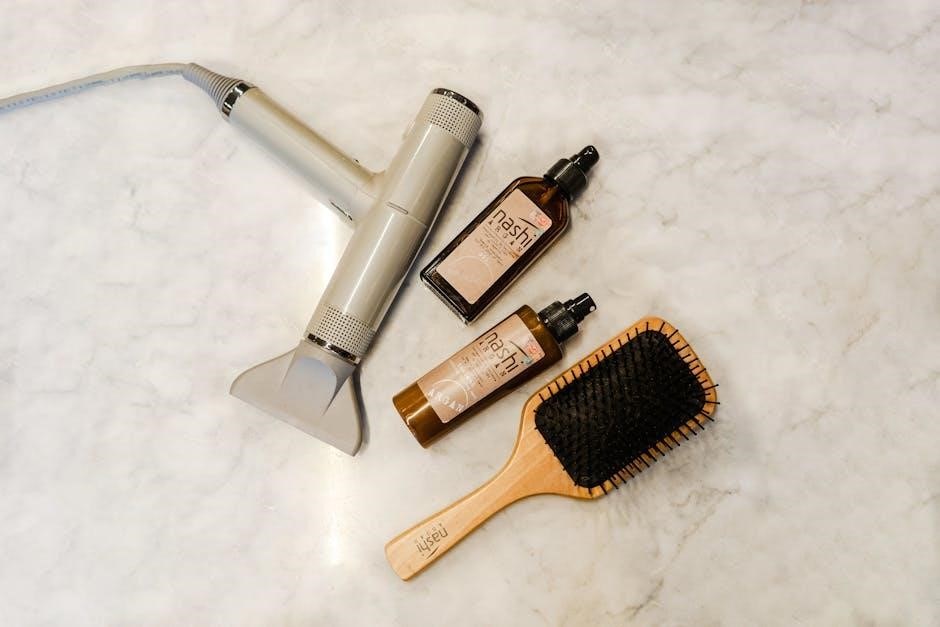
Moroccan liquid gold, argan oil, deeply hydrates and repairs damaged hair, offering a protective shield against environmental stressors and heat styling. It’s a beauty essential!
Understanding Argan Oil’s Role in Hair Dye
Argan oil isn’t merely an additive to hair dye; it’s a transformative ingredient that fundamentally alters the dyeing process for the better. Traditionally, hair dye formulations can be quite harsh, stripping the hair of its natural oils and leaving it vulnerable to damage. Argan oil, rich in fatty acids and Vitamin E, acts as a protective buffer, mitigating these damaging effects.
Its molecular structure allows it to penetrate the hair shaft, delivering intense hydration during the dyeing process. This is crucial because hair cuticles swell when exposed to dye, making them more susceptible to moisture loss. Argan oil helps to seal the cuticle, locking in color and enhancing vibrancy. Furthermore, it contributes to a smoother, more even color distribution, minimizing patchiness and ensuring consistent results.
Unlike some carrier oils, argan oil doesn’t interfere with the dye’s chemical reactions; instead, it supports them by creating a healthier environment for color development. It’s a natural emollient, reducing irritation and soothing the scalp, making the entire experience more comfortable. Essentially, argan oil transforms hair dye from a potentially damaging treatment into a nourishing one.
Benefits of Using Argan Oil with Hair Dye
Incorporating argan oil into your hair dyeing routine unlocks a wealth of benefits beyond simply coloring your hair. The most significant advantage is enhanced hydration; argan oil combats the dryness typically associated with dye, leaving hair feeling soft, supple, and manageable. This deep conditioning effect minimizes breakage and split ends, promoting overall hair health.
Color vibrancy is dramatically improved. Argan oil helps seal the hair cuticle, locking in pigment and preventing premature fading. This translates to longer-lasting, more brilliant color. Moreover, it adds a noticeable shine, enhancing the visual depth and richness of your chosen shade. The oil’s antioxidant properties also protect against environmental damage, preserving color integrity.
For those with sensitive scalps, argan oil offers soothing relief. It reduces irritation and inflammation often caused by harsh dye chemicals. It also strengthens hair, making it more resilient to future damage. Ultimately, using argan oil with hair dye isn’t just about color; it’s about achieving healthy, radiant, and protected hair.
Choosing the Right Argan Oil for Hair Dye Application
Selecting the appropriate argan oil is crucial for optimal results when mixing with hair dye. Opt for 100% pure argan oil, ideally cold-pressed, as this method retains the most beneficial nutrients and antioxidants. Avoid oils containing additives, fragrances, or other ingredients, as these can interfere with the dye’s chemical process or cause unwanted reactions.
Consider the oil’s color; a lighter, golden hue is preferable to avoid potentially altering your dye shade, especially with lighter colors. Look for argan oil specifically marketed for cosmetic use, ensuring it meets quality standards for hair application. Organic argan oil is a fantastic choice, minimizing exposure to pesticides and chemicals.
The consistency should be relatively lightweight, allowing for easy mixing and even distribution throughout your hair. A high-quality argan oil will have a subtle, nutty aroma. Don’t be swayed by price alone; investing in a reputable brand guarantees purity and potency. Prioritize quality to maximize the benefits and protect your hair’s health during the dyeing process.
Argan Oil vs. Other Carrier Oils for Hair Dye
While several carrier oils can be used with hair dye, argan oil distinguishes itself through its unique composition. Compared to coconut oil, which can be heavy and potentially drying for some hair types, argan oil offers lightweight hydration and doesn’t impede dye absorption. Jojoba oil, similar in structure to natural sebum, is a good alternative, but argan oil boasts a richer vitamin E content, enhancing hair health.
Olive oil, another common choice, can leave a residue and may slightly alter the dye’s tone. Argan oil’s non-greasy formula ensures even color distribution without buildup. Grapeseed oil is light but lacks the intensive nourishing properties of argan oil. Almond oil provides some benefits, but argan oil’s higher concentration of fatty acids delivers superior conditioning.
Argan oil’s ability to protect against heat damage, a common concern during dyeing, sets it apart. It also imparts a noticeable shine and softness, leaving hair looking vibrant and healthy post-dye. Ultimately, argan oil’s unique blend of benefits makes it a superior carrier oil for hair dye application.
Preparing Your Hair for Argan Oil & Dye Application
Prior to mixing argan oil with your chosen hair dye, proper hair preparation is crucial for optimal results. Begin by clarifying your hair one to two days before dyeing to remove product buildup, allowing for better dye penetration. Avoid washing your hair immediately before application; natural oils provide a protective barrier for the scalp.
Detangle thoroughly to ensure even dye distribution. If your hair is prone to dryness, a light application of argan oil 24 hours beforehand can provide extra hydration. However, avoid heavy conditioning treatments, as they can create a barrier. Assess your hair’s porosity – highly porous hair absorbs dye quickly, while low porosity hair may require gentle heat to open the cuticle.
Ensure your hair is completely dry before mixing the dye and argan oil. Damp hair can dilute the mixture and affect color development. Protect your clothing and surrounding surfaces with old towels or a cape. Finally, sectioning your hair beforehand will streamline the application process, guaranteeing comprehensive coverage and a professional finish.
Patch Test: Ensuring Allergy-Free Application
Before embarking on a full hair dye application with argan oil, performing a patch test is absolutely essential, even if you’ve used the dye or argan oil previously. This simple step safeguards against unexpected allergic reactions or sensitivities. Apply a small amount of the mixed dye and argan oil – the exact ratio you intend to use – to a discreet area, such as behind your ear or on the inside of your elbow.
Cover the test area with a bandage and leave it undisturbed for at least 48 hours. During this period, carefully monitor the area for any signs of irritation, including redness, itching, burning, swelling, or blistering. If any adverse reaction occurs, immediately discontinue use and consult a dermatologist.
Even a mild reaction warrants caution. A negative result – no irritation after 48 hours – indicates you can likely proceed with the full application. However, remember that sensitivities can develop over time, so patch testing is recommended each time you use a new dye or argan oil brand. Prioritize your health and safety!
Mixing Argan Oil with Your Hair Dye
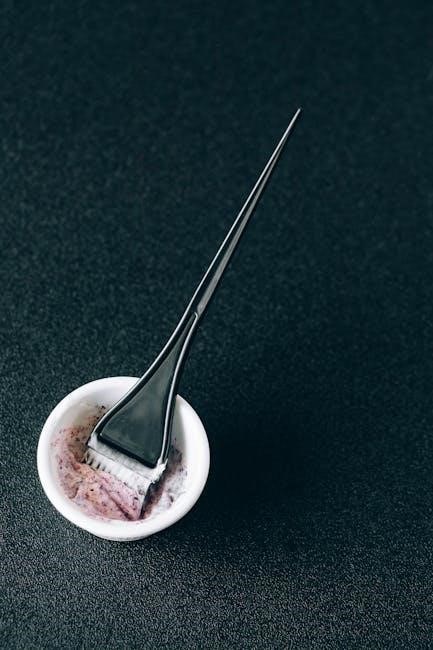
Integrating argan oil into your hair dye isn’t simply about adding it; it’s about achieving a harmonious blend that maximizes benefits without compromising color vibrancy. Begin with your chosen hair dye in a non-metallic bowl – metal can react with the dye’s components. Ensure you’ve followed all safety precautions outlined on the dye packaging, including wearing gloves.
Once the dye is prepared according to the manufacturer’s instructions, slowly incorporate the argan oil. Avoid adding it all at once; gradual addition allows for better control and prevents over-dilution. Stir continuously and thoroughly to ensure the oil is fully emulsified into the dye mixture, creating a consistent, uniform consistency. Lumps or separation indicate insufficient mixing.
The goal is to create a creamy, easily applicable mixture. Remember, argan oil’s purpose is to condition and protect, not drastically alter the dye’s color. Overdoing it can lead to a muted or uneven result. A well-mixed blend will feel smoother and more nourishing than dye alone, preparing your hair for a healthier coloring experience.
Ratio of Argan Oil to Hair Dye: Finding the Balance
Determining the ideal argan oil to hair dye ratio is crucial for optimal results. A general guideline is to start with approximately 1 teaspoon of argan oil for every 2 ounces (60ml) of hair dye. However, this is a starting point, and adjustments may be necessary based on your hair’s porosity, length, and the dye’s formulation.
For fine or lightly damaged hair, err on the side of less argan oil – perhaps ½ teaspoon per 2 ounces of dye. This prevents weighing down the strands and ensures sufficient color deposit. Conversely, thicker, coarser, or heavily damaged hair can benefit from a slightly higher ratio, up to 1.5 teaspoons per 2 ounces.
Always prioritize gradual addition. Begin with the smaller amount, mix thoroughly, and assess the consistency. If the mixture remains too thick, add a tiny bit more oil, stirring until you achieve a creamy, spreadable texture. Remember, the aim is to enhance conditioning, not dilute the color significantly. Experimentation, guided by these principles, will help you discover the perfect balance for your unique hair needs.
Application Techniques with Argan Oil & Dye
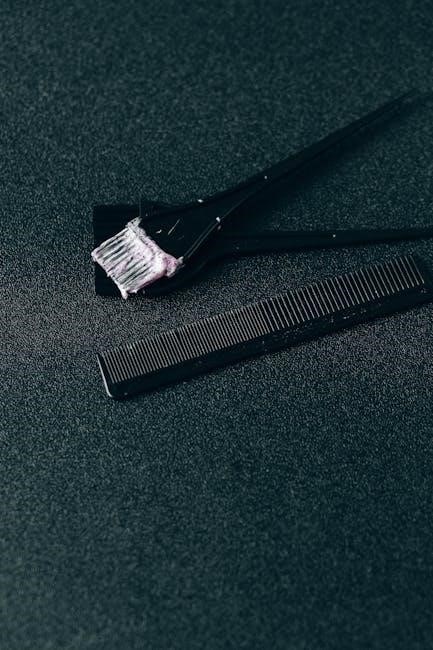
When applying argan oil-infused hair dye, consistency is key. Ensure the mixture is thoroughly blended to distribute the oil evenly, preventing patchy color development. Utilize a dye brush for precise application, starting at the roots and working your way down the hair shaft.
For optimal saturation, section your hair into manageable portions – typically four quadrants. This allows for controlled application and ensures every strand is coated. Gently massage the dye into each section, ensuring complete coverage from root to tip. Pay particular attention to areas where color tends to fade faster, like around the hairline and previously lightened sections.
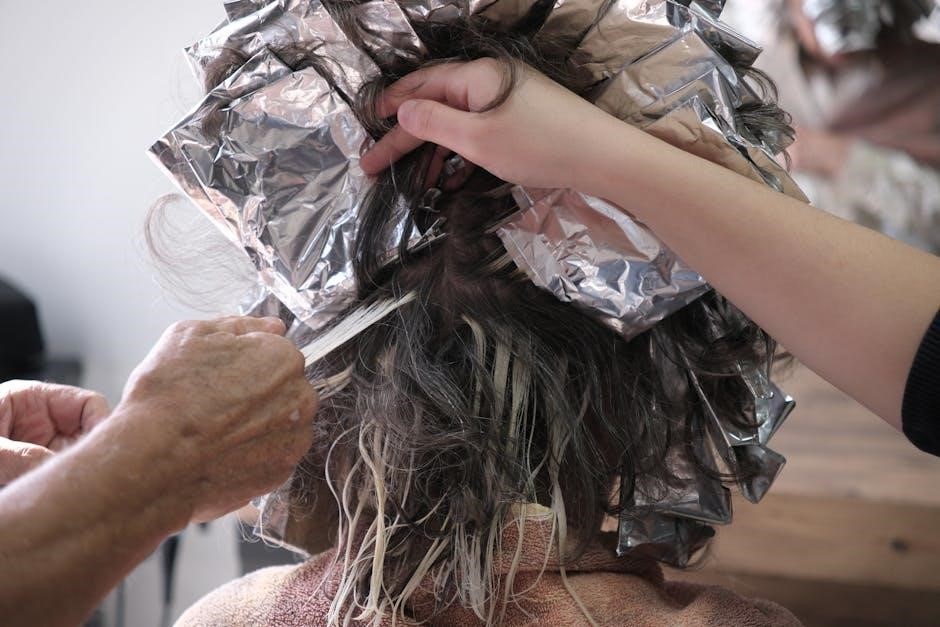
Avoid applying dye directly to the scalp, especially if it’s sensitive. Maintain a slight distance from the roots during initial application, then address them in the final stages. Wear gloves throughout the process to protect your hands and prevent staining. Remember, a methodical and even application is paramount for achieving vibrant, long-lasting color.
Root Touch-Ups with Argan Oil Infusion
Maintaining vibrant color between full applications often requires root touch-ups. When incorporating argan oil, the process becomes gentler on newly grown hair. Begin by precisely mixing your chosen dye with argan oil, ensuring a creamy consistency for targeted application.
Focus solely on the regrowth, approximately half an inch to an inch from the scalp. Utilize a fine-tipped applicator brush for accuracy, avoiding overlap onto previously colored hair to prevent over-processing and color banding. Apply the mixture directly to the roots, saturating them thoroughly.
After application, allow the dye to process according to the manufacturer’s instructions, monitoring for desired color development. Argan oil’s moisturizing properties help minimize damage during this process. Once the color is achieved, rinse thoroughly and follow with a hydrating conditioner, ideally one containing argan oil, to restore moisture and shine. This targeted approach keeps roots fresh while preserving overall hair health.
Full Head Application: Step-by-Step Guide
For a complete color transformation, a full head application with argan oil infusion requires careful execution. Begin by thoroughly mixing your hair dye with argan oil, aiming for a smooth, easily spreadable consistency. Protect your clothing and skin with an old towel and gloves.
Start applying the mixture at the roots, working in small, manageable sections. Ensure complete saturation, as this is where color development begins. Once the roots are covered, distribute the dye evenly through the lengths of your hair, using a wide-tooth comb to ensure uniform coverage.
Massage the dye into your hair to promote penetration and even color distribution. Once fully applied, cover your hair with a shower cap to trap heat and enhance processing. Monitor the color development according to the dye’s instructions, typically around 20-30 minutes. Rinse thoroughly with cool water and follow with an argan oil-rich conditioner to restore moisture and shine.
Sectioning Hair for Even Dye Distribution
Achieving a flawless, even color requires meticulous hair sectioning before applying argan oil-infused dye. Begin by dividing your hair into four quadrants – from forehead to nape, and ear to ear – using a comb. Secure each section with a clip to maintain order and prevent overlap.
Within each quadrant, create smaller, 1-2 inch subsections. This allows for precise dye application and ensures every strand is coated. Start at the nape of the neck and work your way upwards, systematically applying the argan oil and dye mixture to each subsection.
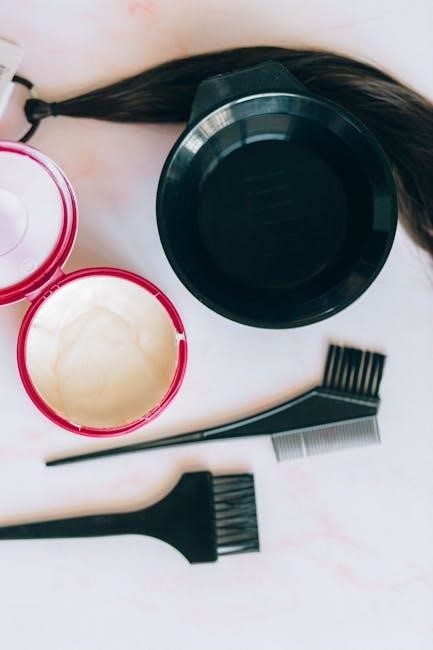
Consistent section sizes are crucial for uniform color development. Pay close attention to the hairline and areas around the ears, as these tend to process faster. Thoroughly saturate each section with the dye, ensuring complete coverage from root to tip. Proper sectioning minimizes missed spots and guarantees a professional-looking result.
Processing Time & Argan Oil’s Impact
The processing time for argan oil-infused hair dye generally aligns with the dye manufacturer’s recommendations, typically ranging from 20 to 45 minutes. However, argan oil’s moisturizing properties can subtly influence this timeframe. Its ability to enhance dye penetration may lead to slightly faster color development, but it’s vital to avoid premature rinsing.
Regularly monitor the color development during processing. Perform a strand test every 10-15 minutes to assess the color intensity. Argan oil helps maintain hair’s integrity, reducing the risk of over-processing and damage. It creates a protective barrier, minimizing harsh chemical effects.
Avoid exceeding the maximum recommended processing time, even if the color appears lighter than desired. Prolonged exposure can compromise hair health. The argan oil’s conditioning benefits contribute to a smoother, healthier dyeing experience, but careful monitoring remains essential for optimal results.
Monitoring Color Development with Argan Oil
When using argan oil with hair dye, consistent monitoring of color development is crucial. Begin checking a small, inconspicuous strand after the initial recommended processing time – usually around 20 minutes; Gently wipe away a small section of the dye mixture to assess the color intensity.
Argan oil’s presence doesn’t drastically alter the speed of color development, but its conditioning effect can make the color appear richer and more vibrant as it processes. Continue checking the strand every 5-10 minutes thereafter. Pay attention to evenness; ensure the color is consistent throughout the tested strand.
If the color hasn’t reached the desired shade within the dye’s maximum recommended time, avoid extending it significantly. Instead, consider a second application later, rather than risking damage. Argan oil helps mitigate some damage, but it’s not a substitute for careful timing and adherence to instructions.
Rinsing & Conditioning After Dyeing
After processing, a thorough yet gentle rinse is paramount. Use lukewarm water – hot water can strip color faster – and avoid scrubbing vigorously. Rinse until the water runs completely clear, ensuring all traces of dye are removed. This may take longer than usual due to the argan oil content, which can create a slightly emulsified rinse.
Skip the shampoo for the first wash post-dyeing. Shampooing immediately can lift the newly deposited color. Instead, focus on deep conditioning. Argan oil, already present from the dye mixture, enhances the benefits of a color-safe conditioner.
Apply a generous amount of conditioner, focusing on the ends, and leave it on for 3-5 minutes. This helps to seal the cuticle, locking in color and moisture. Consider a deep conditioning treatment formulated for color-treated hair for even greater nourishment and protection. A final cool water rinse will further seal the cuticle, boosting shine.
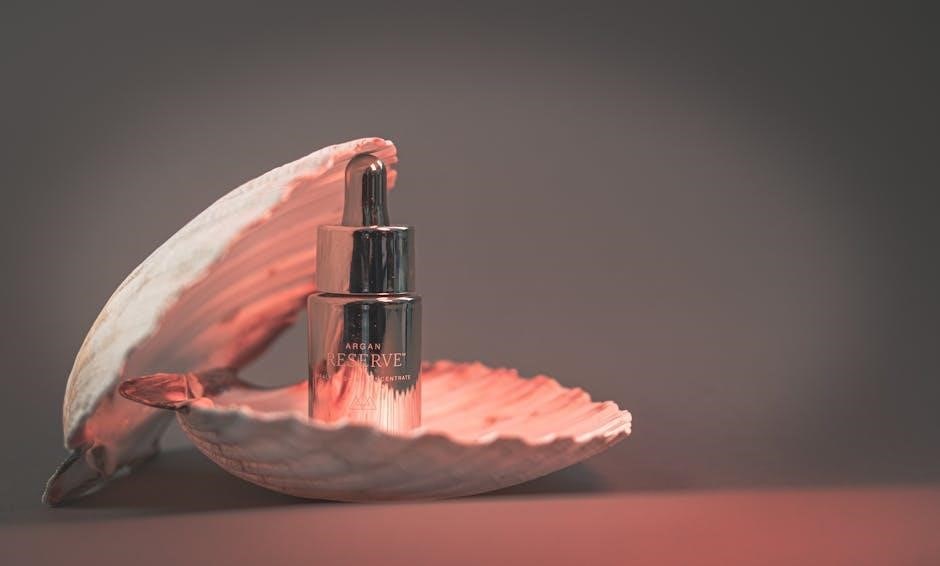
Argan Oil as a Post-Dye Treatment
Following your dyeing process, argan oil transitions from a dye component to a restorative treatment. Its rich fatty acid profile actively combats the dryness often associated with chemical coloring, replenishing lost moisture and enhancing elasticity. Applying a small amount of pure argan oil to damp hair, concentrating on the ends, immediately after conditioning provides a protective barrier.
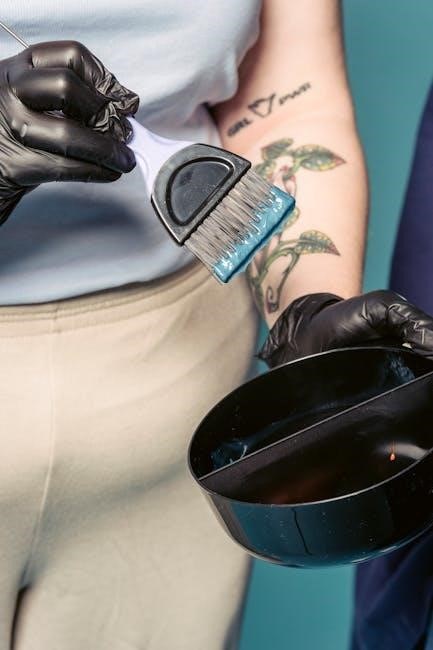
This barrier minimizes color fading caused by environmental factors like UV rays and pollution. Argan oil’s ability to smooth the hair cuticle also increases shine and reduces frizz, leaving hair looking healthier and more vibrant. It’s particularly beneficial for damaged or chemically treated strands.
For a more intensive treatment, consider a leave-in application. Distribute a few drops evenly throughout your hair, avoiding the scalp to prevent greasiness. Regular use of argan oil post-dyeing will significantly improve hair health, maintain color vibrancy, and promote overall manageability.
Maintaining Color & Hair Health with Argan Oil
Consistent use of argan oil is paramount for preserving your newly dyed hair color and bolstering overall hair health. Beyond initial post-dye treatments, integrate argan oil into your regular hair care routine. A few drops applied to damp or dry hair daily can shield against environmental damage, reducing color fading and preventing breakage.
Argan oil’s antioxidant properties protect the hair shaft, while its vitamin E content promotes a healthy scalp, encouraging growth. It effectively tames frizz and adds a noticeable shine, enhancing the vibrancy of your color. Consider incorporating argan oil into your weekly deep conditioning routine for an extra boost of hydration.
To maximize benefits, choose a high-quality, 100% pure argan oil. Avoid products with added fragrances or chemicals. Regular argan oil treatments will not only maintain your color but also leave your hair strong, resilient, and beautifully radiant, extending the life of your dye job.
Frequency of Argan Oil Treatments Post-Dye
Determining the ideal frequency of argan oil treatments post-dye depends on your hair type and its porosity. For fine or lightly processed hair, 2-3 times a week is generally sufficient to maintain moisture and vibrancy without weighing it down. However, thicker, coarser, or heavily dyed hair may benefit from daily application, especially to the ends.
Immediately following dyeing, a generous argan oil treatment (like a mask) is crucial – apply and leave on for 30-60 minutes before rinsing. This initial intensive treatment helps seal in color and replenish lost moisture. Subsequently, transition to lighter applications.
Observe your hair’s response. If it feels dry or brittle, increase the frequency. If it appears greasy, reduce it. Listen to your hair’s needs! Consistent, moderate use is more effective than infrequent, heavy treatments. Remember, argan oil is a preventative measure, protecting against damage and fading, so regular upkeep is key.
Argan Oil Masks for Color-Treated Hair
Argan oil masks are a fantastic way to deeply nourish and revitalize color-treated hair, combating dryness and preserving vibrancy. A simple mask can be created by combining 2-3 tablespoons of argan oil with a tablespoon of honey for added hydration and shine. Apply to damp hair, focusing on the ends, and leave on for 30-60 minutes under a shower cap for enhanced penetration.
For a more intensive treatment, blend argan oil with mashed avocado – the avocado provides essential fatty acids and vitamins. Alternatively, combine argan oil with plain yogurt to help close the hair cuticle, locking in color. These masks help repair damage caused by the dyeing process.
Frequency depends on hair condition; weekly is a good starting point. Consistent masking replenishes lost moisture, strengthens strands, and minimizes fading. Remember to rinse thoroughly with cool water to seal the cuticle and maximize shine. Argan oil masks are a luxurious and effective way to maintain healthy, vibrant color-treated hair.
Addressing Dryness & Damage with Argan Oil
Hair dyeing, even with argan oil infusion, can inevitably lead to some degree of dryness and damage. Argan oil excels at restoring moisture and repairing the hair shaft, thanks to its rich vitamin E and fatty acid content. Regular application, even beyond masking, is crucial for maintaining hair health post-dye.
For daily care, use a few drops of argan oil as a leave-in conditioner, focusing on the ends to prevent split ends and frizz. This creates a protective barrier against environmental stressors. If your hair feels particularly brittle, incorporate a more concentrated argan oil treatment overnight, washing it out in the morning.
Argan oil’s ability to tame frizz and add shine is particularly beneficial for color-treated hair, which is often more porous. Consistent use will help rebuild the hair’s natural protective layer, minimizing breakage and promoting overall strength. It’s a restorative element for vibrant, healthy locks.
Troubleshooting Common Issues
Despite careful application, issues can arise when dyeing hair with argan oil. Uneven color development might occur if the dye isn’t distributed thoroughly, emphasizing the importance of proper sectioning. Patchiness can be minimized by ensuring complete saturation of each strand.
If the color doesn’t lift as expected, consider that hair porosity plays a role. Highly porous hair absorbs dye quickly, potentially leading to faster fading. Conversely, low porosity hair may resist color uptake. Adjusting processing time (within safe limits) or slightly increasing the developer volume might be necessary.
Scalp irritation is rare with argan oil, but a patch test is vital. If irritation occurs, discontinue use immediately. For excessively dry or damaged hair, reduce the dye’s strength or extend the interval between coloring sessions. Remember, argan oil aids, but doesn’t eliminate, potential damage.
Dealing with Fading Color
Color fading is inevitable with any hair dye, but argan oil can significantly slow the process. Frequent washing strips hair of color and natural oils; therefore, reduce wash frequency and opt for sulfate-free shampoos designed for color-treated hair. These gentler formulas preserve vibrancy.
Argan oil itself acts as a sealant, helping to lock in color pigments within the hair shaft. Regular argan oil treatments – masks or leave-ins – replenish moisture and create a protective barrier against environmental factors that contribute to fading, like UV exposure and pollution.
Consider a color-depositing conditioner infused with argan oil to refresh the shade between full dye applications. These conditioners subtly enhance color while providing hydration. Avoid excessive heat styling, as high temperatures accelerate color loss. When heat is necessary, always use a heat protectant containing argan oil.