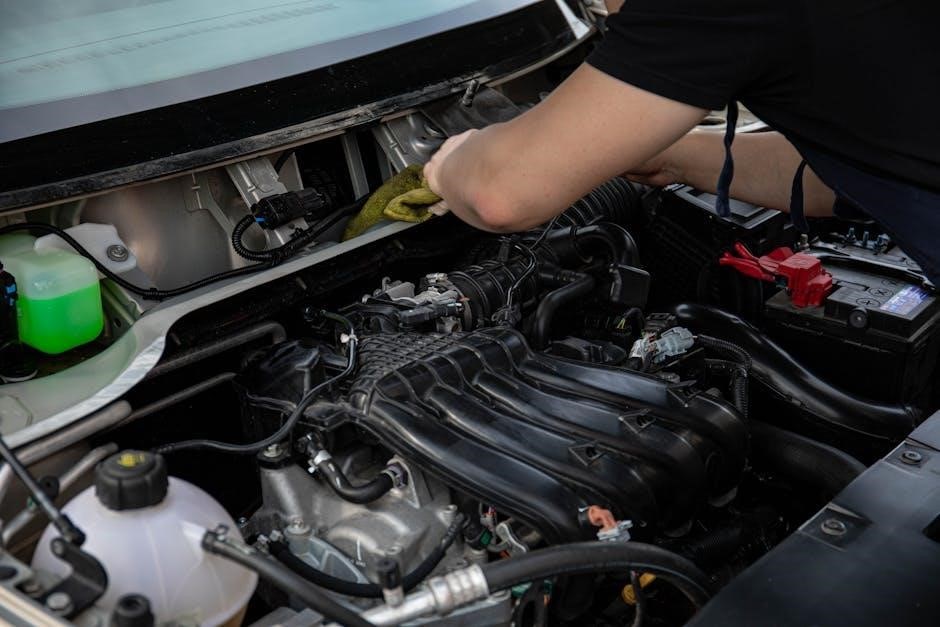
Utilizing a car maintenance checklist, especially in PDF format, offers a cost-effective and accurate method for tracking vehicle servicing and performance efficiently.
Why Use a Car Maintenance Checklist?
A car maintenance checklist is crucial because a vehicle demands consistent care, unlike simple appliances. Regular maintenance avoids costly repairs and extends the vehicle’s lifespan. Utilizing a checklist ensures no essential service is overlooked, promoting safety and reliability.
For those seeking affordability, free PDF templates provide an accessible way to manage maintenance schedules without sacrificing accuracy. These templates streamline tracking servicing tasks, dates, and overall vehicle performance. They also facilitate scheduling and note-taking, aiding memory and organization.
Ultimately, a checklist empowers owners to take responsibility for their vehicle’s upkeep, retaining records proving proper maintenance – a vital aspect for legal considerations and preserving vehicle value.
Benefits of a PDF Format
Choosing a PDF format for your car maintenance checklist offers significant advantages. PDFs are universally accessible, viewable on any device without requiring special software. They preserve formatting, ensuring consistent presentation across platforms – crucial for detailed service schedules.
PDFs are also easily printable, providing a tangible record for the glove compartment or workshop. Furthermore, they are readily customizable; you can add vehicle-specific details, notes, and even digital signatures.
The ability to digitally store and back up PDF checklists minimizes the risk of loss, safeguarding your maintenance history. This format supports efficient record-keeping, vital for legal purposes and maximizing resale value.
Essential Components of a Car Maintenance Checklist
A comprehensive checklist includes a scheduled maintenance log, mileage/month interval tracking, and detailed sections for engine components and emission control systems.
Scheduled Maintenance Log
The Scheduled Maintenance Log is a critical section, identifying maintenance items based on mileage or time intervals. This log details when to rotate tires, perform essential services, and inspect key components. For example, some tasks, like tire rotation, are recommended every 7,500 miles. Others, such as certain filter replacements, might be scheduled every 15,000 miles or annually.
More extensive maintenance, like timing belt replacement, is typically scheduled at higher mileage intervals – potentially every 150,000 miles or five years. The log should clearly outline these intervals, ensuring the vehicle receives necessary attention. Detailed instructions within the checklist help owners perform basic tasks, avoiding costly repair shop bills and extending the vehicle’s lifespan.
Mileage/Month Interval Tracking
Effective car maintenance relies on diligent tracking of mileage and time intervals. A well-designed checklist PDF facilitates this by providing dedicated spaces to record dates and odometer readings for each service performed. This allows owners to easily determine when the next maintenance task is due, whether based on miles driven or elapsed time.
The checklist should clearly define intervals – for instance, “Every 7,500 miles or 12 months,” allowing flexibility. Consistent tracking prevents overlooking crucial services, ensuring optimal vehicle performance and longevity. Utilizing these features within a PDF template simplifies scheduling and helps maintain a comprehensive maintenance history.
Engine Components & Emission Control Systems
A comprehensive car maintenance checklist PDF must include sections dedicated to engine components and emission control systems. This encompasses vital tasks like timing belt replacement – crucial for preventing catastrophic engine damage, particularly for models excluding the Non-Turbo Supra. The checklist should specify intervals, such as every 150,000 miles or 5 years, especially for vehicles subjected to heavy use like taxis or delivery vans.
Regular inspection and maintenance of these systems ensure optimal performance, fuel efficiency, and compliance with emission standards. Detailed instructions within the PDF guide owners through basic tasks, potentially avoiding costly repair shop visits and extending the vehicle’s lifespan.

Routine Maintenance Tasks
Regular tasks like tire rotation, fluid level checks, and filter replacements are essential for vehicle health, easily tracked within a car maintenance checklist PDF.
Tire Rotation & Inspection
Tire rotation is a fundamental routine maintenance task, easily logged within a comprehensive car maintenance checklist PDF. Rotating tires – typically every 7,500 miles as suggested in maintenance schedules – ensures even wear, extending their lifespan and maximizing safety. A PDF checklist facilitates tracking rotation dates and patterns.
Alongside rotation, regular tire inspections are crucial. Check for adequate tread depth, uneven wear patterns indicating potential alignment issues, and any signs of damage like bulges or cuts. Documenting these inspections within the PDF provides a valuable record. Proper tire maintenance, diligently tracked, contributes significantly to fuel efficiency and overall vehicle performance, preventing costly replacements and ensuring a smoother, safer ride. The checklist serves as a reminder and a historical record of tire health.
Fluid Level Checks (Oil, Coolant, Brake Fluid, Power Steering Fluid, Windshield Washer Fluid)
A car maintenance checklist PDF should prominently feature regular fluid level checks. Monitoring oil, coolant, brake fluid, power steering fluid, and windshield washer fluid is vital for optimal vehicle operation. Consistent checks – ideally with each refueling or at scheduled intervals – prevent component damage.
The PDF checklist allows for recording dates and levels, noting any necessary top-ups or potential leaks. Low fluid levels can signal underlying issues requiring immediate attention. Maintaining correct fluid levels ensures efficient engine cooling, reliable braking, smooth steering, and clear visibility. A well-maintained checklist provides a clear history of fluid maintenance, aiding in identifying potential problems early and preventing costly repairs. This proactive approach extends vehicle life and enhances safety.
Filter Replacements (Oil Filter, Air Filter, Cabin Air Filter, Fuel Filter)
A comprehensive car maintenance checklist PDF must include scheduled filter replacements. Regularly changing the oil filter, air filter, cabin air filter, and fuel filter is crucial for maintaining engine health and vehicle performance. The checklist should detail recommended replacement intervals, often based on mileage or time.
A clean oil filter ensures efficient lubrication, while a fresh air filter optimizes engine airflow. Replacing the cabin air filter improves air quality inside the vehicle, and a new fuel filter prevents contaminants from reaching the engine. The PDF format allows for easy tracking of replacement dates and filter types. Consistent filter maintenance extends engine life, improves fuel economy, and ensures a comfortable driving experience.
Preventative Maintenance
Proactive steps like timing belt and spark plug replacement, alongside battery inspections, are vital components of a car maintenance checklist PDF for longevity.
Timing Belt Replacement
A crucial element within a comprehensive car maintenance checklist PDF is the timing belt replacement schedule. For most vehicles, especially those not equipped with a turbocharger like certain Supra models, the timing belt should be replaced every 60,000 to 90,000 miles, or approximately every five years – whichever comes first.
However, vehicles subjected to “extensive idling or low-speed driving,” such as delivery vans, taxis, or patrol cars, require more frequent replacements. The provided maintenance schedule chart suggests inspection every 33,000 miles and replacement every 150,000 miles or five years for these high-usage scenarios. Ignoring this preventative maintenance can lead to catastrophic engine damage, making diligent tracking within your PDF checklist essential for avoiding costly repairs and ensuring vehicle reliability.
Spark Plug Replacement
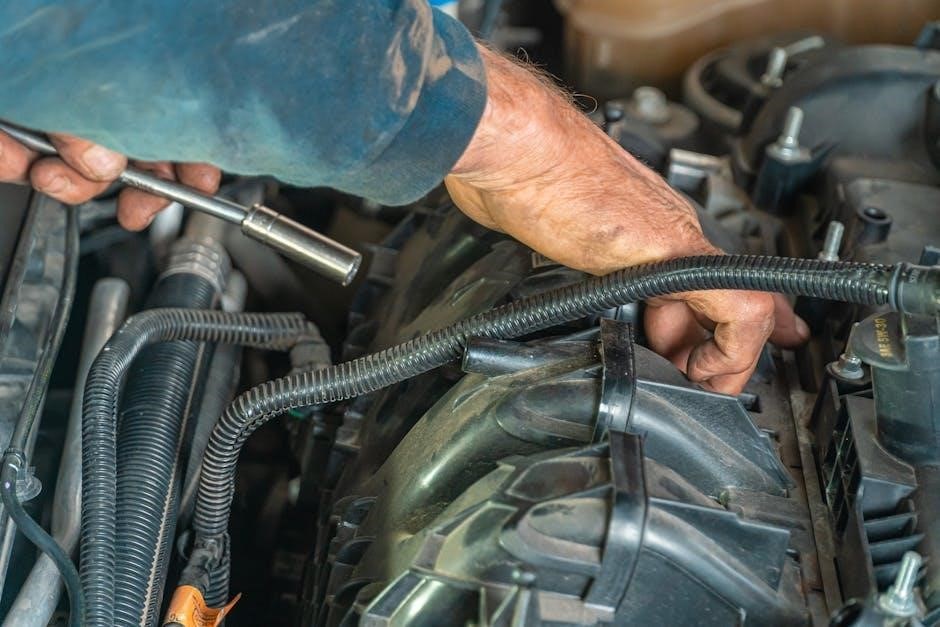
Integrating spark plug replacement into your car maintenance checklist PDF is vital for optimal engine performance. While specific intervals vary by vehicle make and model, a general guideline suggests replacement every 30,000 to 100,000 miles. Regularly checking your vehicle’s manual is crucial for precise timing.
A well-maintained PDF checklist should include a dedicated section for recording spark plug replacement dates and mileage. Neglecting this maintenance item can lead to reduced fuel efficiency, misfires, and difficulty starting the engine. Proactive replacement, documented within your checklist, contributes to a smoother driving experience and prevents potentially expensive engine repairs down the line, extending the overall life of your car.
Battery Inspection & Replacement
Your car maintenance checklist PDF must incorporate regular battery inspections and scheduled replacements. Batteries typically last between 3 to 5 years, but climate and usage significantly impact lifespan. Include a section in your PDF to record inspection dates, voltage readings, and any signs of corrosion.
A comprehensive checklist should prompt checks for loose connections and clean terminals. Documenting these details helps track battery health. Replacement intervals should be noted, ideally around the 5-year mark or sooner if performance declines. Ignoring battery maintenance can lead to unexpected breakdowns. A detailed PDF checklist ensures you’re prepared, preventing inconvenient situations and costly repairs, ultimately safeguarding your vehicle’s reliability.
Advanced Maintenance & Inspections
The car maintenance checklist PDF should detail thorough inspections of the brake, suspension, and exhaust systems for optimal vehicle safety and performance.
Brake System Inspection

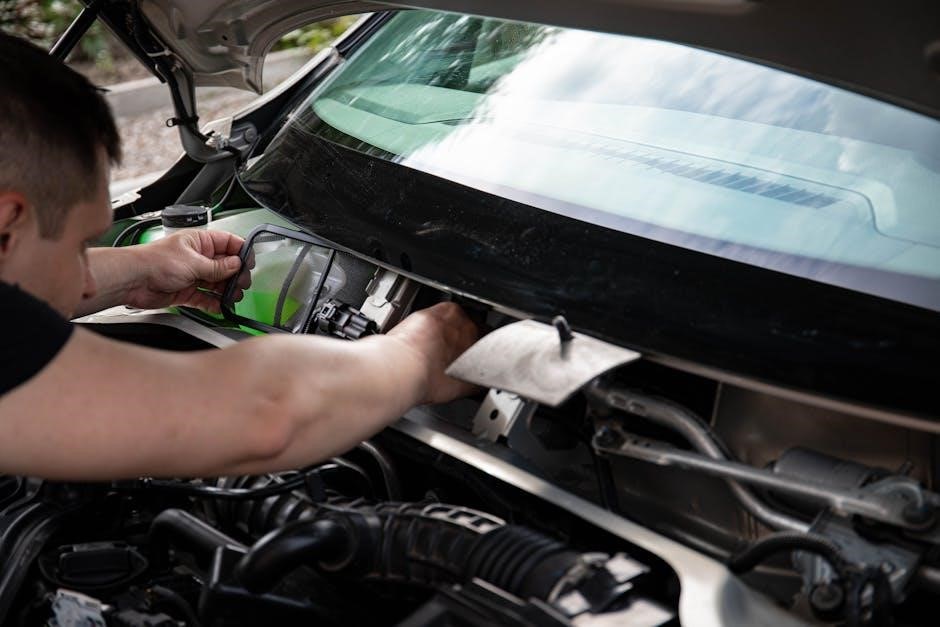
A comprehensive brake system inspection, detailed within your car maintenance checklist PDF, is crucial for safety. This involves examining brake pads for wear, ensuring rotors are within specification, and inspecting brake lines for leaks or damage.
The checklist should prompt verification of brake fluid levels and condition, as contaminated fluid reduces braking efficiency. Don’t forget to assess the parking brake functionality. Regular inspection, as outlined in the PDF, helps identify potential issues before they escalate into costly repairs or, more importantly, compromise safety.
Documenting inspection dates and findings within the checklist provides a valuable service history, aiding in informed repair decisions and maintaining vehicle value. Prioritize brake system health for reliable stopping power.
Suspension System Inspection
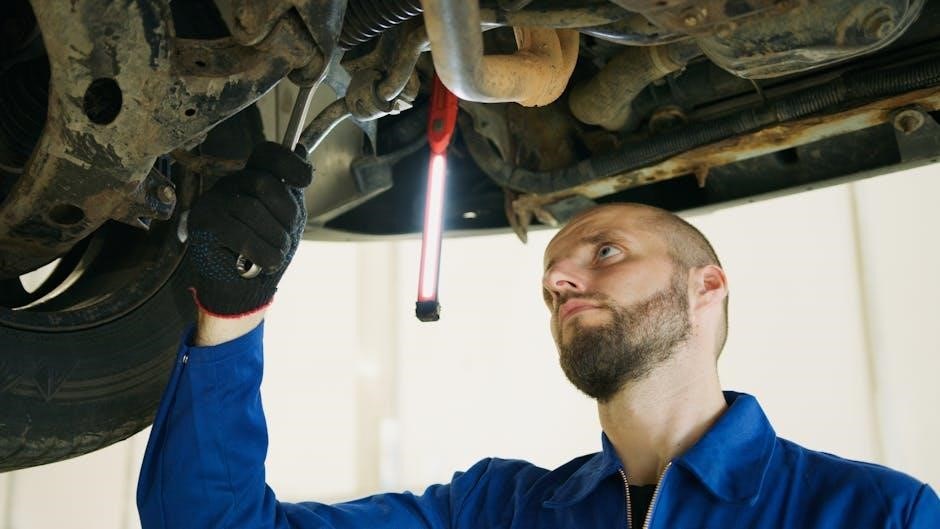
Your car maintenance checklist PDF should include a thorough suspension system inspection. This vital check encompasses examining shock absorbers and struts for leaks or damage, impacting ride comfort and handling. Inspecting ball joints, tie rod ends, and control arm bushings for wear is equally important, as these components affect steering precision and tire alignment.
The checklist should prompt a visual assessment of springs for cracks or breaks. A properly functioning suspension ensures optimal tire contact with the road, enhancing safety and extending tire life. Documenting any identified issues, like unusual noises or excessive bouncing, within the PDF helps track deterioration.
Regular suspension maintenance, guided by the checklist, contributes to a smoother, safer driving experience and prevents more significant repairs down the line.
Exhaust System Inspection
A comprehensive car maintenance checklist PDF must incorporate a detailed exhaust system inspection. This involves visually checking for rust, holes, or damage along the entire exhaust pipe, from the manifold to the tailpipe, impacting emissions and fuel efficiency. The checklist should prompt verification of the muffler and catalytic converter’s condition, ensuring they function correctly.
Pay close attention to exhaust hangers and brackets, confirming their secure attachment to prevent rattling or dragging. Listen for unusual noises, like hissing or roaring, indicating leaks. Documenting any identified issues within the PDF, such as corrosion or broken components, is crucial for tracking deterioration.
Regular exhaust system maintenance, guided by the checklist, ensures compliance with emissions standards and prevents costly repairs.

Utilizing Free Car Maintenance Checklist Templates (PDF)
Free templates provide an easy, accurate way to manage vehicle maintenance schedules without cost, allowing customization for multiple vehicles and efficient note-taking.
Customization for Multiple Vehicles
Managing maintenance for a single vehicle is challenging enough, but households with multiple cars require a more organized approach. Fortunately, many car maintenance checklist templates, particularly those in PDF format, offer excellent customization options. This allows users to create individualized schedules for each vehicle in their fleet, accounting for differing mileage, usage patterns, and manufacturer recommendations.
Instead of relying on a single, generic checklist, you can duplicate the template and tailor it to each car’s specific needs. This includes inputting the vehicle identification number (VIN), recording initial mileage, and adjusting service intervals accordingly. Furthermore, the ability to add specific notes for each vehicle – such as recurring issues or preferred service providers – enhances the effectiveness of the checklist. This level of detail ensures that no maintenance task is overlooked, and each vehicle receives the attention it deserves, maximizing its lifespan and reliability.
Scheduling & Note-Taking Features
Effective car maintenance relies not just on what needs to be done, but when; Premium car maintenance checklist templates in PDF format excel in providing robust scheduling features. Users can input service dates, set reminders, and visually track upcoming maintenance tasks, preventing crucial services from being delayed or forgotten. These templates often allow planning schedules according to specific days and times.
Beyond scheduling, the ability to add notes is invaluable. These notes can document service details, record the cost of repairs, or highlight any unusual observations during inspections. This detailed record-keeping helps identify potential problems early on and provides valuable information for future maintenance. The note-taking functionality transforms a simple checklist into a comprehensive vehicle history log, aiding in informed decision-making and maximizing vehicle longevity.
Record Keeping & Documentation
Maintaining detailed maintenance records is the owner’s responsibility, providing evidence of proper vehicle care and potentially impacting its resale value legally.
Importance of Maintaining Maintenance Records
Diligent record-keeping surrounding your vehicle’s maintenance is paramount for several crucial reasons. Firstly, a comprehensive logbook, often facilitated by a car maintenance checklist PDF, demonstrates a commitment to responsible vehicle ownership. This detailed history can significantly boost resale value, assuring potential buyers of the car’s condition and reliability.
Furthermore, maintaining these records isn’t merely about financial gain; it’s also about ensuring the longevity and safety of your vehicle. Tracking scheduled services, repairs, and fluid changes allows you to proactively address potential issues before they escalate into costly problems. Remember, maintenance services and record retention are ultimately the owner’s responsibility. Retaining proof of proper maintenance is vital.
Legal Considerations & Vehicle Value
A well-maintained vehicle, documented through a car maintenance checklist PDF, holds significant legal and financial advantages. Detailed records can be invaluable in resolving disputes related to vehicle condition, particularly in cases of accidents or warranty claims. Demonstrating adherence to a regular service schedule can strengthen your position legally.
Beyond legal aspects, meticulous maintenance records directly impact vehicle value. Prospective buyers place a premium on vehicles with a transparent service history, perceiving them as more reliable and less prone to unexpected repairs. A complete logbook, showcasing consistent care, can command a higher resale price, offsetting maintenance costs and maximizing your investment. Discussing your service schedule with knowledgeable mechanics is also beneficial.