Rolling Pin Guides: A Comprehensive Overview (Updated February 14, 2026)
This guide explores rolling pins—from stainless steel to acrylic—covering types, materials, features, and uses beyond baking, referencing ISO and ASME standards․
What is a Rolling Pin and Why Use One?
A rolling pin is a cylindrical tool used to flatten dough and other foods, essential for baking pastries, pizzas, and pasta․ Utilizing one ensures consistent dough thickness, crucial for even cooking and appealing presentation․
Beyond baking, rolling pins aid in crafting with clay and polymer, creating textured effects, and even achieving perfectly thin pasta sheets․ They elevate both culinary and creative endeavors․
Types of Rolling Pins
Rolling pins vary to suit different needs․ Standard pins are classic and versatile, while French pins offer precision control without handles․ Adjustable pins guarantee uniform thickness, ideal for pastries․
Textured rolling pins imprint patterns onto dough or clay, adding decorative flair․ These come in various designs, from simple lines to intricate Sci-Fi motifs, enhancing both baked goods and modeling projects․
Standard Rolling Pins: The Classic Choice
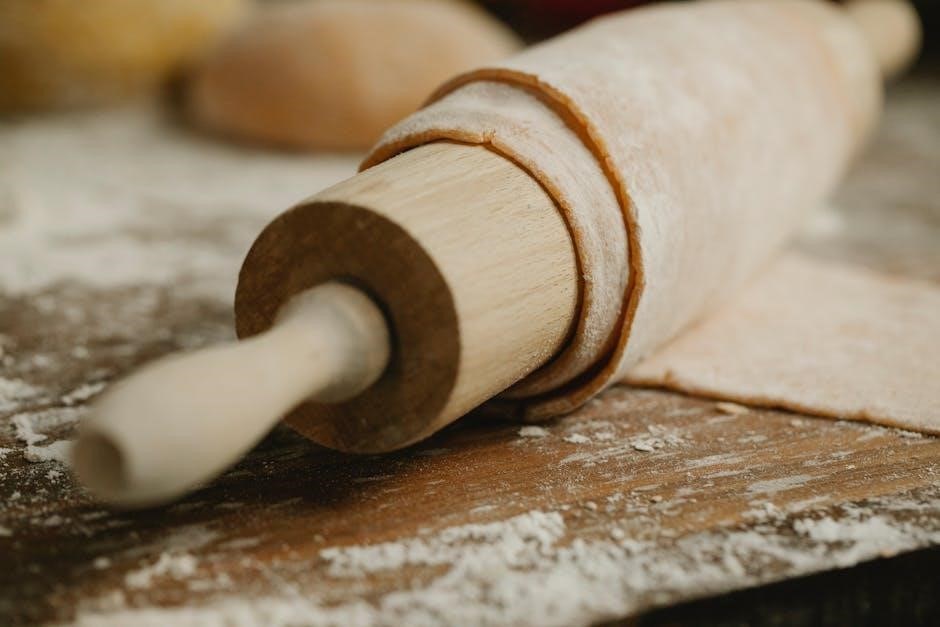
The traditional rolling pin, often crafted from wood, remains a kitchen staple․ Its simple design—a smooth cylinder with handles—provides versatility for various doughs, including pizza, pasta, and pie crusts․
These pins are favored for their ease of use and ability to handle larger surfaces․ They are a fundamental tool for bakers of all skill levels, offering a reliable and straightforward rolling experience․
French Rolling Pins: Precision and Control
Unlike standard pins with handles, French rolling pins are a single, solid piece of wood, typically without end caps․ This design fosters greater control and precision, favored by pastry chefs for delicate work․
The lack of handles encourages a specific rolling technique, utilizing the palms of the hands for even pressure․ They excel at creating uniformly thin doughs for pastries, croissants, and other refined baked goods․
Adjustable Rolling Pins: For Consistent Thickness
Adjustable rolling pins feature rings or dials that allow bakers to set a desired dough thickness, ensuring uniformity across the entire surface․ These are incredibly helpful for recipes requiring precise measurements, like pie crusts or consistent cookie shapes․
They eliminate guesswork and are particularly beneficial for beginner bakers or those striving for professional-looking results, simplifying the process of achieving even dough expansion․
Textured Rolling Pins: Adding Patterns to Dough
Textured rolling pins boast engraved designs, enabling bakers to imprint beautiful patterns onto dough surfaces․ Crafted from materials like clear acrylic (PMMA plastic) for non-stick properties, they’re ideal for cookies, pasta, and even clay modeling․
These pins create continuous, repeated patterns – SciFi designs are popular – adding a decorative touch and visual appeal to baked goods and artistic projects alike․
Materials Used in Rolling Pin Construction
Rolling pins are traditionally crafted from wood, offering versatility and a classic feel․ However, stainless steel provides exceptional durability, hygiene, and resistance to rust and stains․ Acrylic rolling pins, particularly PMMA plastic, are gaining popularity
due to their non-stick surfaces and suitability for patterned designs, enhancing both baking and creative modeling applications․ Material choice impacts performance and longevity․
Stainless Steel Rolling Pins: Durability and Hygiene
Stainless steel rolling pins are renowned for their exceptional durability and resistance to corrosion, ensuring a long lifespan․ Their non-porous surface promotes superior hygiene, preventing bacterial growth and making them easy to sanitize․
These pins are stain-resistant and maintain a sleek appearance, ideal for frequent use in both professional and home kitchens, offering reliability and cleanliness․
Acrylic Rolling Pins: Non-Stick and Patterned Options
Acrylic rolling pins stand out due to their naturally non-stick surface, simplifying dough handling and reducing the need for excessive flour․ They are frequently available with intricately designed patterns,
allowing bakers to effortlessly imprint textures onto cookies, pasta, or clay․ Crafted from clear PMMA plastic, they offer excellent visibility and are ideal for creative culinary projects․
Wood Rolling Pins: Traditional and Versatile
Wood rolling pins represent a classic choice, favored for their traditional feel and versatility in the kitchen․ They require proper seasoning with oil to maintain their surface and prevent sticking․
These pins are suitable for various doughs and tasks, offering a comfortable grip and a natural warmth․ Their enduring appeal makes them a staple in many bakeries and homes․
Rolling Pin Features to Consider
When selecting a rolling pin, key features impact performance․ Bearing systems ensure smooth rolling action, crucial for even dough distribution․ Handle design affects comfort and grip during extended use․
Weight and length significantly influence control; heavier pins require more strength, while length dictates the rolling width․ Considering these aspects optimizes baking efficiency and results․
Bearing Systems: Smooth Rolling Action
Effective bearing systems are paramount for effortless dough manipulation․ They minimize friction, allowing the rolling pin to glide smoothly across surfaces, preventing sticking and tearing․
Quality bearings contribute to consistent pressure distribution, vital for achieving uniform dough thickness․ This feature is especially important when working with delicate pastry or pasta doughs, ensuring optimal texture․
Handle Design: Comfort and Grip
Ergonomic handle designs are crucial for comfortable and controlled rolling, especially during extended baking sessions․ Handles should provide a secure grip, preventing slippage and reducing hand fatigue․
Materials like wood or textured silicone enhance grip, even with slightly wet hands․ The handle’s shape and diameter should accommodate various hand sizes, ensuring optimal leverage and maneuverability for bakers of all skill levels․
Weight and Length: Impact on Control
A rolling pin’s weight and length significantly influence control and the amount of pressure needed to achieve desired dough thickness․ Heavier pins require less downward force, beneficial for larger dough portions․
Longer pins offer greater leverage, while shorter pins provide more precision for detailed work․ Balancing weight and length to match baking tasks and personal preference is key for optimal results and reduced strain․
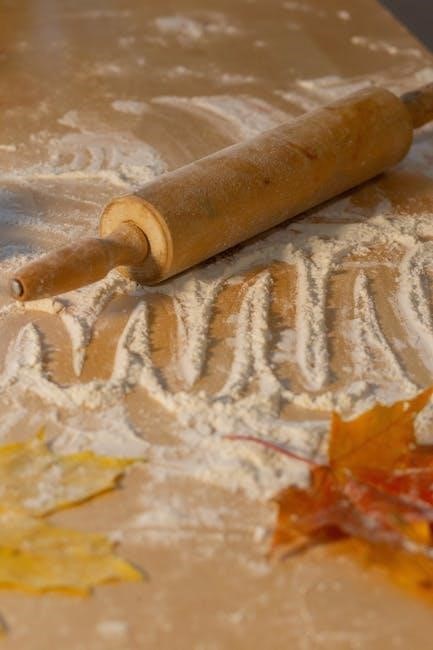
How to Choose the Right Rolling Pin
Selecting the ideal rolling pin depends on your baking frequency and skill level․ Beginners might prefer adjustable pins for consistent thickness, while experienced bakers may favor French styles for precision․
Consider your budget; options range from affordable wood to pricier stainless steel or acrylic․ Matching the pin to tasks—pasta, pizza, or pastry—ensures optimal performance and enjoyable baking experiences․
Baking Needs: Matching the Pin to the Task
Different baked goods demand specific rolling pin features․ For pizza and tortillas, a standard or stainless steel pin works well․ Delicate pastries benefit from a French-style pin’s control․
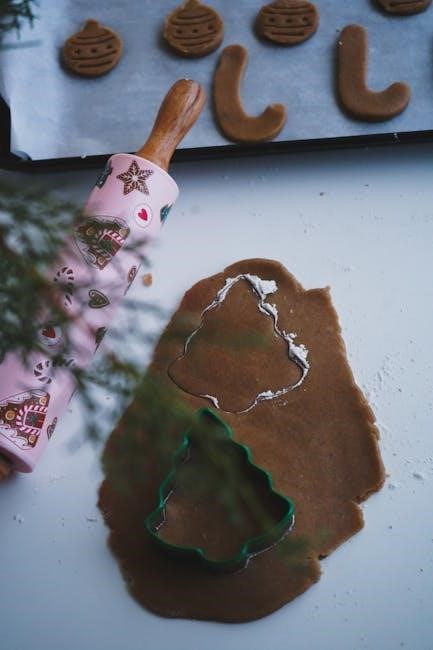
Textured pins excel at adding designs to cookies or fondant․ Pasta requires a pin capable of achieving thin, even sheets․ Consider the dough type and desired outcome when selecting your tool․
Skill Level: Beginner vs․ Experienced Baker
Beginner bakers often find adjustable rolling pins helpful for consistent dough thickness, minimizing errors․ Standard pins offer a straightforward introduction to rolling techniques․
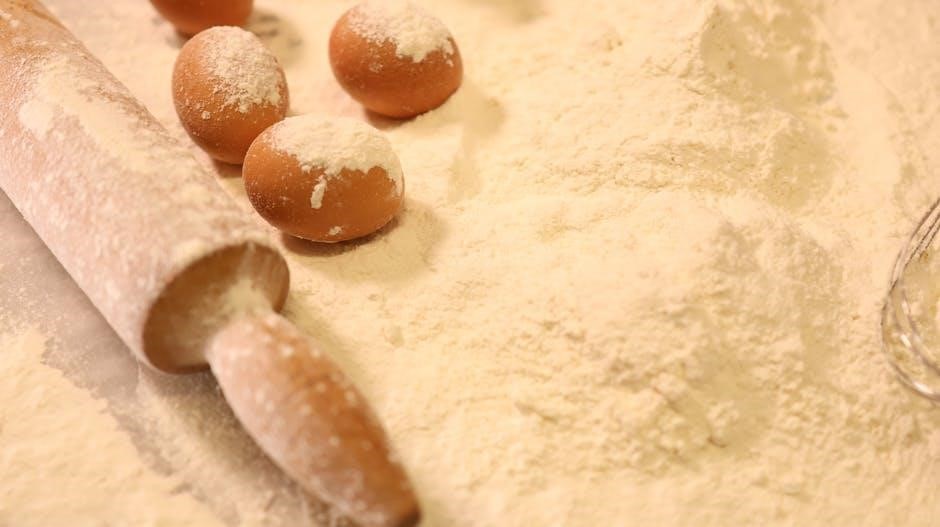
Experienced bakers may prefer the precision of a French pin or the creative possibilities of textured options․ They can readily adapt to different pin types and leverage their skills for optimal results․
Budget Considerations: Price Ranges and Value
Rolling pin prices vary widely, from affordable standard wood models to premium stainless steel or acrylic options with specialized features․
Value isn’t solely about price; consider durability, material quality, and intended use․ A higher initial investment in a quality pin can offer years of reliable service, justifying the cost․
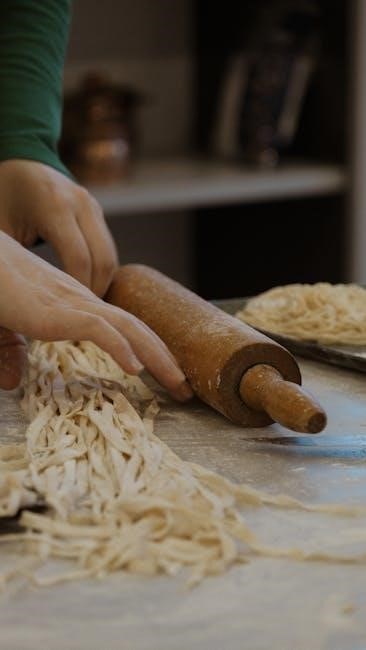
Using a Rolling Pin: Techniques and Tips
Successful rolling begins with properly prepared dough—temperature and consistency are key to prevent sticking and tearing․
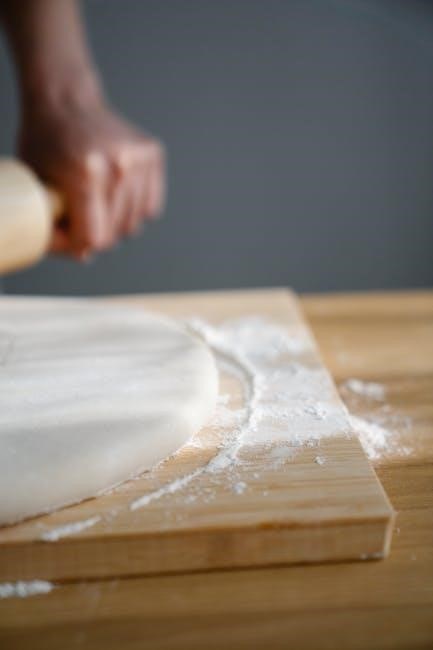
Lightly flouring the work surface is crucial, alongside employing even pressure and a consistent rotational motion․
Mastering these techniques ensures uniform dough thickness, vital for consistent baking results and beautiful pastry creations․
Preparing the Dough: Temperature and Consistency
Optimal dough temperature is paramount; chilled doughs firm up, while warmer ones become pliable․
Consistency dictates rollability—too dry, it cracks; too wet, it sticks․
Proper hydration and gluten development are essential for a smooth, elastic dough that readily accepts the rolling pin’s pressure, yielding even results․
Flouring the Surface: Preventing Sticking
A lightly floured surface is crucial to prevent dough adhesion during rolling․
Use a fine flour, like all-purpose or pastry flour, and distribute it evenly․
Avoid excessive flour, as it can dry out the dough and affect texture․
Alternatively, parchment paper or a silicone mat offer excellent non-stick surfaces, eliminating the need for flour altogether․
Rolling Techniques: Even Pressure and Rotation
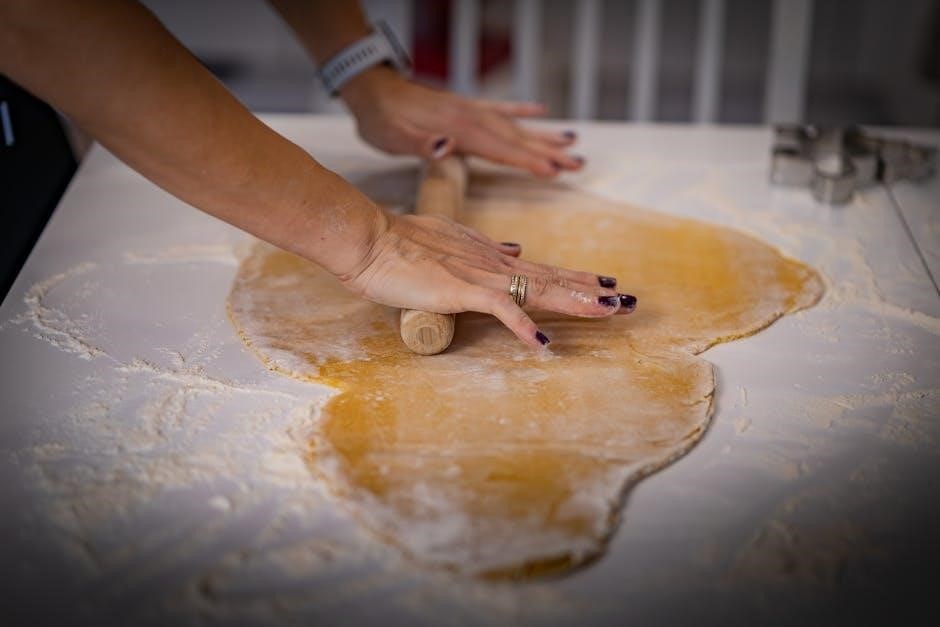
Achieving uniform dough thickness requires consistent, even pressure while rolling․
Start from the center and roll outwards, applying gentle force․
Rotate the dough frequently – about 45 degrees after each roll – to prevent sticking and ensure even expansion․
Avoid pressing too hard, which can compress the dough; let the rolling pin do the work․
Cleaning and Maintaining Your Rolling Pin
Proper cleaning extends your rolling pin’s life․
Wood pins require oiling and seasoning to prevent cracking and sticking; avoid dishwashers․
Stainless steel and acrylic pins are easier – wash with warm, soapy water and dry thoroughly․
Regular maintenance ensures hygiene and optimal performance, preserving the quality of your baked goods for years to come․
Wood Rolling Pins: Oiling and Seasoning
Wood rolling pins benefit greatly from regular oiling to prevent drying and cracking․
Food-safe mineral oil is ideal; apply a thin coat and allow it to absorb․
Seasoning involves repeated oiling with use, building a natural non-stick surface․
Avoid harsh detergents and prolonged soaking, as these can damage the wood and compromise its integrity over time․
Stainless Steel and Acrylic Rolling Pins: Washing and Drying
Stainless steel and acrylic rolling pins are generally dishwasher safe, offering convenient cleaning․
However, hand washing with warm, soapy water is recommended to preserve their finish․
Thoroughly dry both materials immediately after washing to prevent water spots or potential damage․
Avoid abrasive cleaners that could scratch the surface, maintaining their smooth rolling action and hygienic properties․
Rolling Pins Beyond Baking: Creative Applications
Rolling pins extend far beyond the kitchen, proving versatile tools for artistic endeavors․
They excel in clay and polymer modeling, imparting realistic and detailed textures like SciFi patterns with ease․
Pasta makers utilize them to achieve consistently thin sheets of dough, essential for perfect noodles․
Their rolling action efficiently presses patterns onto sculpting putties and pastes, broadening creative possibilities․
Clay and Polymer Modeling: Textured Effects
Textured rolling pins revolutionize clay and polymer work, enabling artists to add continuous, repeated patterns effortlessly․
Made from clear PMMA plastic, these pins boast exceptional non-stick properties, preventing material adhesion during use․
Detailed designs, such as SciFi motifs, are easily transferred, creating realistic and professional-looking textures․
They’re ideal for imprinting intricate details onto sculpting putties and pastes, enhancing artistic projects․
Pasta Making: Achieving Thin Sheets
A quality rolling pin is crucial for crafting authentic, homemade pasta, enabling bakers to achieve consistently thin and even sheets of dough․
Proper technique, combined with the right pin, ensures optimal texture and cooking quality for various pasta shapes․
Whether creating delicate ravioli or robust lasagna, a skilled baker can elevate pasta dishes with a well-chosen rolling pin․
Consistent pressure and rotation are key to success in this culinary art․
Rolling Pin Standards and Specifications
While rolling pins themselves don’t have a dedicated, overarching standard, related components like pins used with rolling pin mechanisms adhere to specifications․
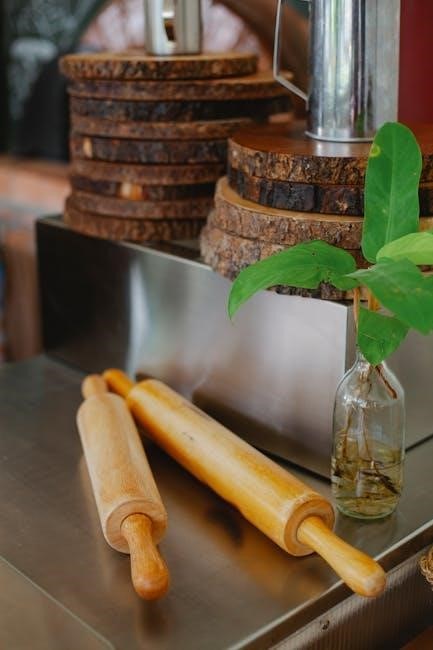
ISO 8752 governs slotted spring pins, while ASME B18․8․2 & B18․8․4M detail dowel and roll pins—relevant for some adjustable pin designs․
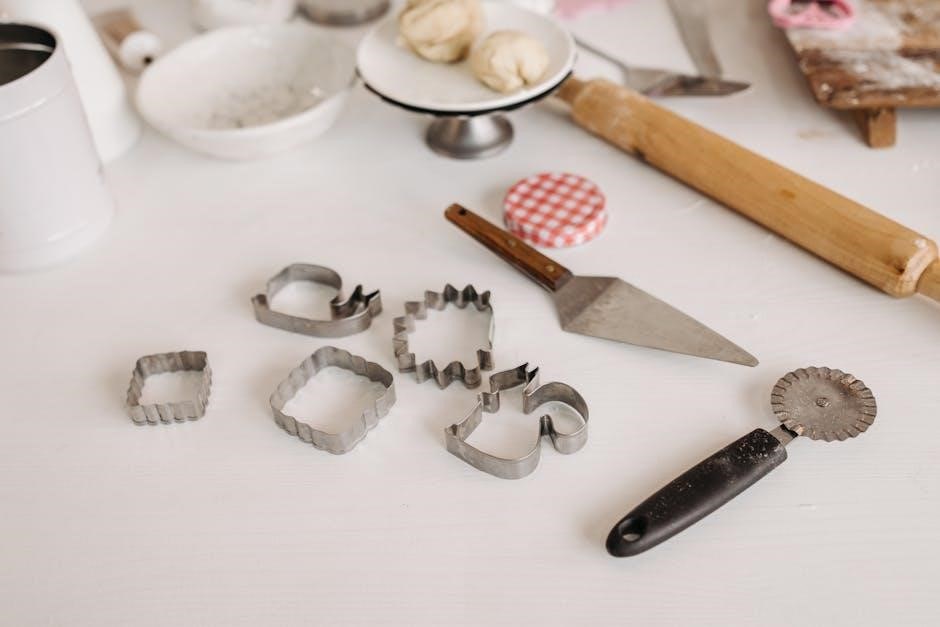
These standards cover materials, dimensions, and tolerances, ensuring interchangeability and quality control in pin manufacturing․
Understanding these specifications aids in assessing the durability and precision of rolling pin components;
ISO 8752: Slotted Spring Pins
ISO 8752 specifically defines slotted spring pins, crucial components in some rolling pin constructions, particularly those with adjustable features or complex mechanisms․
This international standard details dimensions, materials (typically stainless steel), and tolerances for these pins, ensuring consistent performance and interchangeability․
The standard covers various pin diameters and lengths, impacting the rolling action and stability of the pin․
Adherence to ISO 8752 guarantees a reliable and durable connection within the rolling pin assembly․
ASME B18․8․2 & B18․8․4M: Dowel and Roll Pins
ASME B18․8․2 and B18․8․4M standards govern dowel and roll pins, frequently utilized in rolling pin handle attachments and adjustable mechanisms for secure connections․
These standards specify material requirements – often stainless steel or hardened alloys – alongside precise dimensional tolerances for consistent fit and function․
Proper pin selection, guided by these ASME standards, ensures durability and prevents handle loosening during vigorous use, enhancing overall rolling pin performance․
Where to Buy Rolling Pins
Rolling pins are readily available at kitchen supply stores, offering hands-on selection and expert advice for choosing the perfect tool․
Online retailers provide a vast variety, from standard wood pins to specialized acrylic textured options, with convenient home delivery․
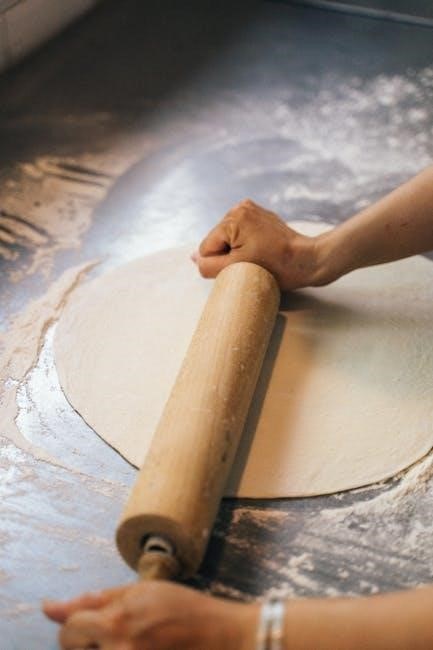
Consider both in-person experiences and online convenience when sourcing your rolling pin, comparing prices and reading reviews to find the best value․
Kitchen Supply Stores: In-Person Selection
Visiting a kitchen supply store allows for a tactile experience, evaluating the weight, balance, and handle comfort of various rolling pins firsthand․
Knowledgeable staff can offer personalized recommendations based on your baking needs and skill level, guiding you towards the ideal choice․
This direct interaction ensures you select a rolling pin that feels right and meets your specific requirements, enhancing your baking enjoyment․
Online Retailers: Variety and Convenience
Online retailers offer an expansive selection of rolling pins, exceeding the inventory of most brick-and-mortar stores, providing diverse options․
Convenience is key, allowing you to browse and purchase from home, comparing prices and reading customer reviews at your leisure․
Detailed product descriptions and images aid in informed decision-making, ensuring you find the perfect rolling pin for your baking adventures․
Troubleshooting Common Rolling Pin Issues
Dough sticking is a frequent frustration; ample flouring of both the surface and pin prevents adhesion, alongside chilling the dough if overly warm․
Uneven rolling often stems from inconsistent pressure – apply even force and rotate the pin, lifting and repositioning as needed for uniform thickness․
Proper technique and preparation are crucial for overcoming these common hurdles and achieving beautifully rolled dough every time․
Dough Sticking: Solutions and Prevention
Persistent dough sticking can be easily remedied with generous flour application to both the rolling surface and the rolling pin itself․
Chilling the dough briefly before rolling also minimizes stickiness, firming up the fats and gluten․
For particularly delicate doughs, parchment paper provides a non-stick barrier, ensuring smooth rolling and preventing tearing or frustration․
Uneven Rolling: Techniques for Consistency
Achieving uniform dough thickness requires consistent, even pressure applied across the entire rolling pin’s surface during each rotation․
Avoid pressing down heavily in the center, instead focusing on distributing force equally from handle to handle․
Regularly lifting and rotating the dough 90 degrees helps identify and correct any thinner or thicker spots, ensuring a perfectly even base for baking․