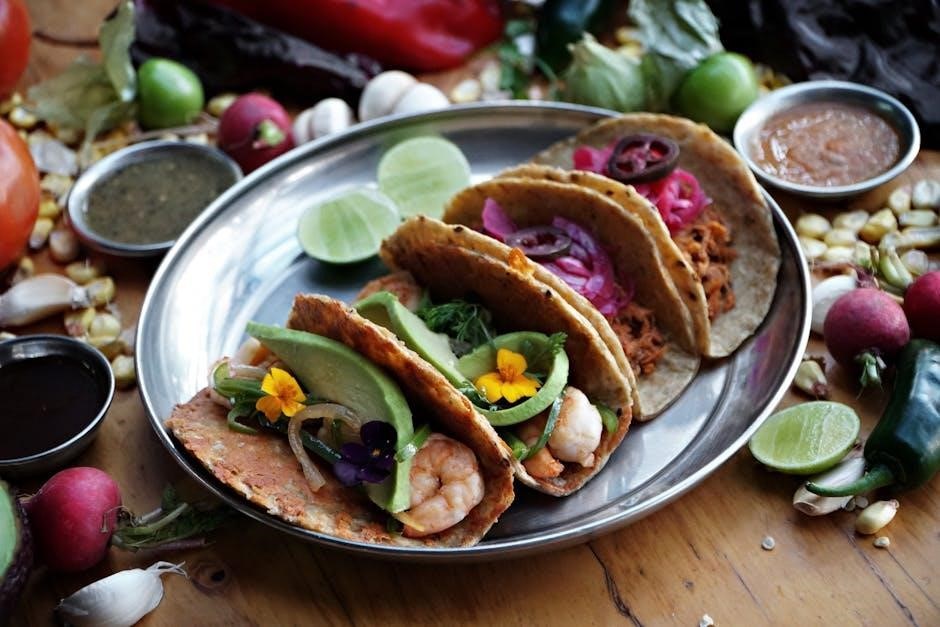
Jack Daniel’s Pulled Pork offers a uniquely flavorful experience, blending smoky barbecue with the distinctive taste of Tennessee whiskey. This recipe delivers incredibly tender, fall-apart pork, infused with a rich, sweet, and slightly spicy sauce.
What is Pulled Pork?
Pulled pork is a classic American barbecue dish, originating in the Southeastern United States, particularly in the Carolinas and Memphis. It’s made by slow-cooking a tough cut of pork – typically the shoulder (Boston butt) – until it becomes incredibly tender. The meat is then “pulled” apart, meaning it’s shredded using forks or claws.
Traditionally, pulled pork is seasoned with a dry rub of spices before cooking and often served with barbecue sauce. The slow cooking process breaks down the connective tissues, resulting in a moist, flavorful, and easily shreddable final product. It’s a versatile dish, perfect for sandwiches, tacos, or enjoyed on its own.
Why Jack Daniel’s? The Flavor Profile
Jack Daniel’s whiskey introduces a unique depth of flavor to pulled pork, going beyond typical barbecue sweetness. Its subtle caramel and vanilla notes complement the smoky pork beautifully, while the slight char from the oak barrels adds complexity. The whiskey tenderizes the meat during the slow cooking process, enhancing its texture.
Using Jack Daniel’s creates a flavor profile that’s both familiar and distinctive – a harmonious blend of smoky, sweet, and subtly spicy; It elevates the dish, offering a more sophisticated and memorable barbecue experience compared to using just standard barbecue sauce.
Brief History of Pulled Pork
Pulled pork’s origins trace back to the Caribbean, brought to the Southeastern United States by enslaved Africans. Traditionally, tougher cuts of pork – like the shoulder – were slow-cooked over wood fires, a technique perfected over generations. This method transformed the inexpensive cut into a tender, flavorful meal.
The practice became deeply rooted in Southern culinary traditions, particularly in North Carolina and Tennessee. While early recipes didn’t include whiskey, the addition of Jack Daniel’s is a modern innovation, enhancing the already rich and smoky flavors of this beloved barbecue staple.
Ingredients for Jack Daniel’s Pulled Pork
Essential ingredients include a pork shoulder, Jack Daniel’s whiskey, a blend of spices for the dry rub, and liquids like ketchup and apple cider vinegar.
The Pork Shoulder (Boston Butt) ⎯ Choosing the Right Cut
Selecting the right pork shoulder, often called a Boston butt, is crucial for achieving tender pulled pork. Look for a cut weighing between 6-8 pounds, with ample marbling throughout the meat – this fat renders during cooking, ensuring a moist and flavorful result. Bone-in shoulders generally offer more flavor, though boneless are easier to shred. Avoid excessively lean cuts, as they tend to dry out during the long cooking process. A well-marbled shoulder will yield incredibly tender, juicy pulled pork, perfect for soaking up that delicious Jack Daniel’s sauce!
Jack Daniel’s Whiskey ─ Quantity and Quality
Jack Daniel’s Old No. 7 is the star ingredient, imparting a unique smoky sweetness to the pork. While the amount varies by recipe, typically ½ to 1 cup is used, balancing flavor without overpowering the other ingredients. Using genuine Jack Daniel’s is recommended for its distinctive character; substitutions may alter the final taste. Some recipes suggest using it both in the dry rub and within the cooking liquid for maximum infusion. Don’t use expensive, sipping whiskey – the cooking process will alter its nuances, making the standard Jack Daniel’s ideal.
Dry Rub Ingredients ⎯ Spices and Seasonings
A robust dry rub is crucial for building flavor before cooking. Common ingredients include garlic powder, onion powder, paprika (smoked paprika adds depth), chili powder for a touch of heat, and black pepper. Salt is essential, but use it judiciously. Some recipes incorporate brown sugar for caramelization and sweetness. Granulated garlic and red chili powder are also popular additions. The rub should generously coat the pork shoulder, creating a flavorful bark during the cooking process. Experiment with ratios to customize the spice level to your preference.
Liquid Ingredients ⎯ Beyond the Whiskey
While Jack Daniel’s is the star, other liquids enhance the pulled pork’s complexity. Apple cider vinegar provides tanginess, balancing the sweetness. Ketchup contributes a subtle sweetness and body to the sauce. Pork braising liquid, often reserved from initial searing, adds depth. Stock (chicken or beef) can be used for moisture during slow cooking. Some recipes include tomato purée or even soda (like cola) for unique flavor profiles. Dijon mustard offers a subtle bite, complementing the whiskey and spices. These liquids work together to create a luscious sauce.

Preparation: Getting Started
Preparing Jack Daniel’s Pulled Pork begins with selecting a quality pork shoulder, crafting a flavorful dry rub, and ensuring even coating for maximum taste penetration.
Preparing the Pork Shoulder ─ Trimming and Scoring
Initial preparation of the pork shoulder is crucial for optimal results. Begin by trimming excess fat, leaving about ¼ inch for moisture and flavor during the long cooking process. Scoring the fat cap in a crosshatch pattern allows the dry rub and marinade to penetrate deeper into the meat. This scoring doesn’t need to be incredibly deep, just enough to create pathways for the seasonings. Pressing chunks of onion and garlic directly into the roast, as some recipes suggest, further enhances the flavor profile. Remember to pat the pork dry with paper towels before applying the rub; this helps it adhere better and form a beautiful bark.
Making the Dry Rub ⎯ Combining the Spices
Crafting a flavorful dry rub is fundamental to Jack Daniel’s Pulled Pork. Combine garlic powder, onion powder, red chili powder, paprika (smoked is excellent), salt, pepper, and potentially other spices like cumin or cayenne for heat. The proportions depend on preference, but a balanced blend is key. Thoroughly mix all ingredients in a bowl to ensure even distribution of flavors. Some recipes suggest adding granulated garlic for a more intense garlic taste. The dry rub acts as both a seasoning and a tenderizing agent, preparing the pork for its flavorful journey.
Applying the Dry Rub ⎯ Ensuring Even Coverage
Generously coat the pork shoulder with the prepared dry rub, ensuring every surface is covered. Begin by lightly patting the pork dry with paper towels to help the rub adhere. Then, sprinkle the rub liberally over all sides, pressing it into the meat with your hands. Don’t be shy – a substantial coating is desired! For deeper penetration, massage the rub into the pork, working it into any crevices or scores you’ve made. This step is crucial for developing a flavorful bark during the cooking process and maximizing taste.

Cooking Methods
Achieving tender, flavorful pulled pork is possible through several methods: slow cooking, oven baking, or smoking. Each technique imparts a unique character to the final dish.
Slow Cooker Method ─ Detailed Instructions
For effortless pulled pork, begin by generously seasoning the pork shoulder with your prepared dry rub. Place chopped onions and garlic directly into the slow cooker, creating a flavorful base. Position the seasoned pork on top of the vegetables;
Combine pork stock, smoked paprika, thyme, oregano, Dijon mustard, and tomato purée in a bowl, then pour over the pork. Cover and cook on low for 8-10 hours, or until the pork is incredibly tender. This low and slow approach guarantees a succulent result, perfect for shredding.
Oven Method ─ Low and Slow Cooking
Achieve tender pulled pork without a slow cooker by utilizing your oven! Preheat to 300°F (150°C). After generously applying the dry rub, sear the pork shoulder in a large Dutch oven or oven-safe pot on all sides. Add a cup of liquid – stock or even soda – to the pot.
Cover tightly and bake for 6-8 hours, or until fork-tender. Check periodically, adding more liquid if needed to prevent drying. This method replicates the slow cooking process, resulting in remarkably flavorful and easily shreddable pork, ready for your favorite sauce.
Smoker Method ─ Achieving Smoky Flavor
For authentic smoky pulled pork, a smoker is ideal! Maintain a consistent temperature of 225-250°F (107-121°C). Use wood chips like hickory, apple, or a blend for optimal flavor. After applying the dry rub, place the pork shoulder directly on the smoker grate.
Smoke for 8-12 hours, or until the internal temperature reaches 195-205°F (90-96°C) and a probe slides in with little resistance. Wrap in butcher paper during the last few hours to retain moisture. This method imparts a deep, smoky flavor that elevates the pork to new heights.
Slow Cooker Instructions ─ Step-by-Step
Begin by searing the pork, then place it in the slow cooker with onions and garlic. Add stock, spices, and cook low and slow for ultimate tenderness!
Initial Slow Cooking Phase ─ Time and Temperature
To begin, place your seasoned pork shoulder into the slow cooker. Cover the pork completely with liquid – a combination of stock, apple cider vinegar, or even soda works wonderfully. The initial slow cooking phase is crucial for breaking down the tough connective tissues within the pork. Set your slow cooker to low and allow the pork to cook undisturbed for approximately 6-8 hours.
Maintaining a low and consistent temperature is key; avoid lifting the lid frequently, as this releases heat and extends the cooking time. After this initial phase, the pork will be significantly more tender, preparing it for the addition of the Jack Daniel’s and sauce.
Adding the Jack Daniel’s and Sauce ⎯ When and How Much
After the initial 6-8 hour slow cooking phase, it’s time to elevate the flavor! Carefully remove a portion of the cooking liquid – about 1-2 cups – and combine it with ½ to 1 cup of Jack Daniel’s whiskey, along with your preferred barbecue sauce (approximately 2 cups). Mashed roasted garlic cloves and ketchup can also be incorporated for added depth.
Pour this flavorful mixture over the pork shoulder, ensuring it’s well coated. The whiskey tenderizes further and infuses a distinct character. Return the lid and continue cooking, allowing the sauce to meld with the pork.
Final Slow Cooking Phase ⎯ Tenderizing the Pork
Following the addition of the Jack Daniel’s and sauce, continue slow cooking on low for another 1-2 hours. This crucial step allows the pork to become incredibly tender, reaching that perfect “fall-off-the-bone” consistency. Resist the urge to check frequently; letting it cook undisturbed is key.
The extended cooking time breaks down the connective tissues, resulting in a supremely moist and flavorful final product. A gentle simmer in the sauce ensures maximum flavor absorption, creating a truly unforgettable pulled pork experience.
Shredding the Pork
Shredding the pork is simple once it’s fully cooked! Use two forks or meat claws to easily pull apart the tender, flavorful meat, discarding any large pieces of fat.
Checking for Tenderness ⎯ The Fork Test
Determining when the pork is ready for shredding is crucial for achieving that perfect, fall-off-the-bone texture. The “fork test” is the most reliable method. Gently insert a fork into the thickest part of the pork shoulder. If the fork slides in with little to no resistance, the pork is sufficiently tender.
Avoid forcing the fork; it should glide through the meat easily. If you encounter significant resistance, continue cooking for another 30-60 minutes and retest. Remember, prolonged cooking yields a more tender result, but overcooking can dry it out, so check frequently towards the end of the cooking process.
Shredding Techniques ⎯ Using Forks or Claws
Once the pork is tender, it’s time to shred! The most common method involves using two forks to pull the meat apart. Simply insert the forks into the pork and twist, separating the fibers. Alternatively, for a more rustic approach, use “bear claws” – meat shredding claws – which speed up the process.
Regardless of the tool, shred the pork directly in the cooking liquid to keep it moist and flavorful. Discard any large pieces of fat or connective tissue as you shred. The goal is to create a mixture of coarse and fine shreds for optimal texture.
Removing Excess Fat ─ For a Leaner Result
Pork shoulder, while flavorful, contains a significant amount of fat. After shredding, it’s beneficial to remove excess fat for a leaner final product. As you shred, visually inspect the meat and discard any large pieces of white fat or gristle. Don’t remove all the fat, as some contributes to moisture and flavor.
You can also skim fat from the surface of the cooking liquid after shredding. A simple method is to chill the liquid briefly; the fat will solidify, making it easier to remove with a spoon.
Sauce and Finishing Touches
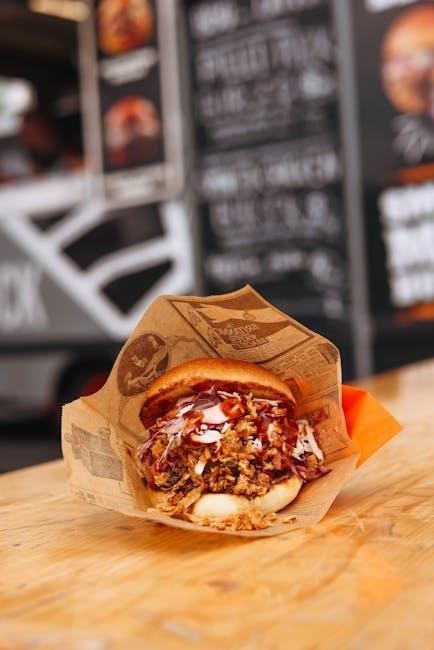
Final sauce adjustments are key! Simmering shredded pork in the Jack Daniel’s-infused sauce creates a deeply flavorful result, perfect for serving on buns.
Adjusting the Sauce ─ Sweetness and Spice Levels
Achieving the perfect sauce balance is crucial for exceptional Jack Daniel’s Pulled Pork. Taste the sauce after simmering with the shredded pork and adjust accordingly. For increased sweetness, incorporate brown sugar, maple syrup, or a touch of honey, stirring until dissolved. To elevate the spice level, introduce chili powder, cayenne pepper, or a dash of hot sauce. Remember to add seasonings gradually, tasting frequently to prevent overpowering the whiskey and smoky flavors. A balanced sauce complements, rather than masks, the pork’s inherent richness.
Simmering the Shredded Pork in Sauce ─ Flavor Infusion
Simmering the shredded pork directly in the sauce is key to maximizing flavor. After shredding, return the pork to the slow cooker or a large pot. Pour the prepared Jack Daniel’s-infused sauce over the pork, ensuring every strand is coated. Simmer on low heat for at least 30 minutes, or up to an hour, stirring occasionally. This allows the pork to fully absorb the sauce’s flavors, becoming incredibly moist and tender. The longer simmer enhances the overall depth and complexity of the dish, creating a truly unforgettable taste.
Serving Suggestions ─ Buns, Sides, and Toppings
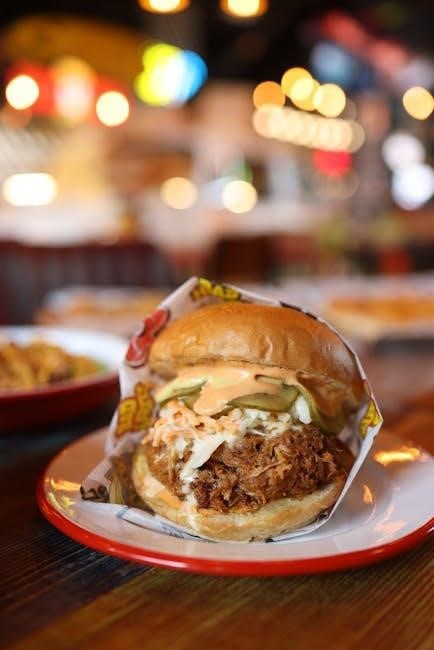
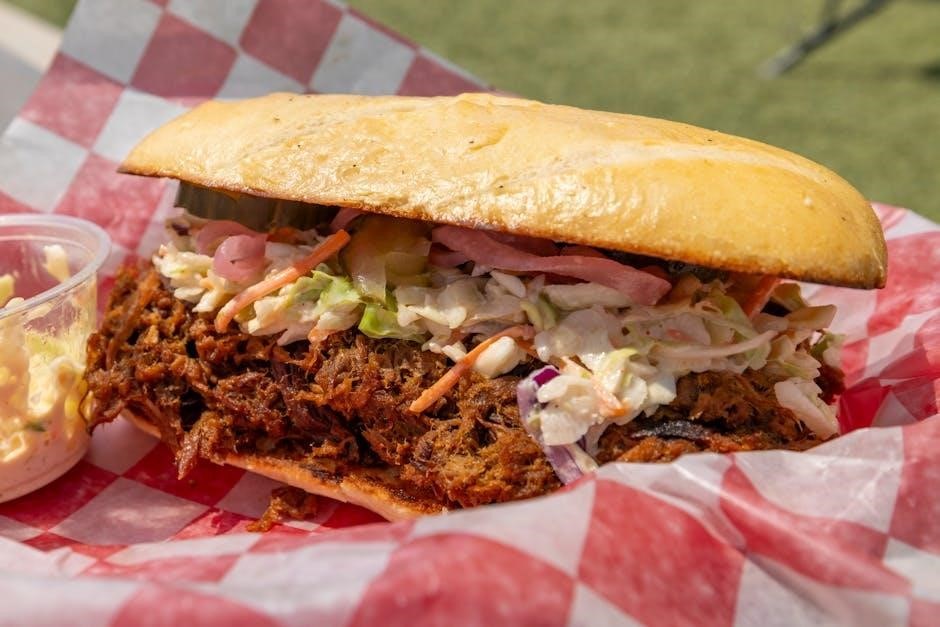
Jack Daniel’s Pulled Pork is incredibly versatile! Serve it traditionally on soft, toasted hamburger buns, perhaps with a light spread of coleslaw. Classic sides include creamy macaroni and cheese, baked beans, and crispy french fries. For a refreshing contrast, consider a tangy cucumber salad or cornbread. Don’t forget the toppings! Pickled onions, sliced pickles, and a drizzle of extra barbecue sauce elevate the experience. A sprinkle of chopped cilantro or a dash of hot sauce adds a final flourish of flavor.

Variations and Additions
Elevate your pulled pork! Incorporate sweet fruit like apples or pineapple, add fiery chili peppers for spice, or experiment with different wood types for smoking.
Adding Fruit ─ Apple, Pineapple, or Peach
Introducing fruit to your Jack Daniel’s Pulled Pork adds a delightful sweetness and complexity that complements the smoky flavors. Diced apples, pineapple, or peaches can be added during the final hour of slow cooking or simmering in the sauce. Apples provide a subtle tartness, pineapple offers a tropical tang, and peaches contribute a soft, summery sweetness.
Approximately one to two cups of chopped fruit is ideal, ensuring it doesn’t overwhelm the pork’s flavor. The fruit’s natural sugars caramelize beautifully, creating a luscious glaze. Consider using slightly underripe fruit to prevent it from becoming overly mushy during the extended cooking process, maintaining a pleasant texture within the pulled pork.
Spicy Pulled Pork ⎯ Incorporating Chili Peppers
For those who enjoy a kick, transforming Jack Daniel’s Pulled Pork into a spicy delight is easily achievable. Incorporate chili peppers into the dry rub or directly into the sauce. Options range from mild ancho chili powder for a smoky heat to fiery cayenne pepper or finely diced jalapeños for a more pronounced spice.
Start with a small amount – about 1-2 teaspoons of chili powder or one diced jalapeño – and adjust to your preference. Remember that the heat will intensify during the slow cooking process. A touch of brown sugar in the sauce can balance the spice, creating a harmonious flavor profile.
Using Different Types of Wood for Smoking
Elevate your Jack Daniel’s Pulled Pork with the nuanced flavors imparted by various smoking woods. While hickory is a classic choice for pork, offering a strong, traditional smoky taste, consider experimenting with others. Applewood provides a milder, sweeter smoke, complementing the whiskey beautifully.
Mesquite delivers a bold, earthy flavor, ideal for those who prefer a more intense smoky profile. Cherry wood adds a fruity sweetness and a lovely reddish hue to the pork. Blend woods for complexity – a mix of hickory and applewood, for example – to create a truly unique and unforgettable barbecue experience.
Troubleshooting Common Issues
Addressing challenges like dryness or lack of tenderness is simple! Adjust cooking time, add moisture, or thicken the sauce for perfect Jack Daniel’s Pulled Pork.
Pork is Too Dry ⎯ Adding Moisture
If your Jack Daniel’s Pulled Pork emerges from the slow cooker or oven drier than desired, don’t despair! Several techniques can restore moisture. Begin by adding a splash more of the Jack Daniel’s whiskey, or even some pork broth directly to the shredded meat. Stir well to ensure even distribution. Another effective method involves incorporating additional barbecue sauce – choose a variety with a higher moisture content.
Simmering the shredded pork in the sauce for an extra 30-60 minutes allows it to reabsorb liquids. Consider adding a tablespoon or two of apple cider vinegar for brightness and to help tenderize the fibers. Avoid overcooking, as this is the primary cause of dryness, and remember to check for tenderness frequently during the final cooking stages.
Pork is Not Tender Enough ─ Extending Cooking Time
If, after the initial cooking period, your Jack Daniel’s Pulled Pork resists shredding with a fork, it simply needs more time. The key is low and slow cooking, allowing the connective tissues to break down. Return the pork to the slow cooker or oven, covered, and continue cooking for an additional 1-2 hours, checking tenderness every 30 minutes.
Adding a little more liquid – perhaps another ¼ cup of Jack Daniel’s or pork broth – can help maintain moisture during this extended cooking phase. Avoid increasing the temperature, as this can lead to dryness. Patience is crucial; truly tender pulled pork requires sufficient time for the collagen to melt away, resulting in a melt-in-your-mouth texture.
Sauce is Too Thin ⎯ Thickening Techniques
If your Jack Daniel’s pulled pork sauce lacks the desired consistency, several methods can effectively thicken it. A cornstarch slurry – 1 tablespoon cornstarch mixed with 2 tablespoons cold water – added gradually while simmering is a reliable option. Alternatively, remove about a cup of the sauce, whisk in a tablespoon of flour, then return it to the pot.
Simmering the sauce uncovered for an extended period will also reduce the liquid and concentrate the flavors. For a richer texture, stir in a tablespoon of butter at the end. Avoid adding too much thickening agent at once, as it can create a pasty consistency; add slowly and stir constantly.
Nutritional Information
Jack Daniel’s Pulled Pork is a rich dish. Expect a high calorie count and significant fat content, alongside substantial protein. Adjust portion sizes accordingly.
Calorie Count and Macronutrients
Estimating precise nutritional values for Jack Daniel’s Pulled Pork is challenging due to variations in pork cuts, sauce recipes, and portion sizes. However, a typical 4-ounce (113g) serving can range from 300-450 calories. Macronutrient breakdown generally includes 20-30g of protein, 15-25g of fat (much depending on fat trimming), and 20-30g of carbohydrates, largely from the sauce’s sugars.
The whiskey itself contributes minimal calories. Be mindful of added sugars in barbecue sauce, as they significantly impact the carbohydrate count. Consider leaner pork shoulder cuts and moderate sauce usage for a healthier profile.
Considerations for Dietary Restrictions
Jack Daniel’s Pulled Pork requires mindful adjustments for specific diets. For gluten-free needs, ensure your barbecue sauce and whiskey are certified gluten-free, as some contain hidden gluten. Diabetics should moderate sauce consumption due to high sugar content; sugar-free BBQ sauce alternatives exist. Those watching sodium intake should use low-sodium seasonings and control sauce additions.
Vegetarians/Vegans cannot consume this dish as it is. Individuals with alcohol sensitivities should omit the Jack Daniel’s whiskey, substituting with apple cider vinegar or broth for flavor.

Storing and Reheating
Jack Daniel’s Pulled Pork stores well refrigerated for 3-4 days or frozen for up to 3 months. Reheat slowly to maintain moisture and flavor!
Proper Storage Methods ⎯ Refrigeration and Freezing
To ensure optimal quality, promptly cool leftover Jack Daniel’s Pulled Pork. For refrigeration, store in an airtight container for up to 3-4 days. This prevents flavor absorption and maintains moisture. For longer storage, freezing is ideal. Divide the pork into portion sizes, removing as much air as possible from freezer-safe bags or containers.
Properly frozen pulled pork can last for 2-3 months without significant quality loss. Label containers with the date for easy tracking. Remember, while safe indefinitely, flavor and texture are best within this timeframe. Thaw completely in the refrigerator before reheating for best results.
Reheating Techniques ─ Maintaining Flavor and Texture
Reheating Jack Daniel’s Pulled Pork requires a gentle approach to prevent drying. The oven is ideal: preheat to 325°F (160°C), add a splash of liquid (broth or whiskey!), cover, and heat until warmed through – about 20-30 minutes. Alternatively, use a slow cooker on low for 1-2 hours, adding liquid as needed.
Microwaving is quickest, but can lead to uneven heating and dryness. Use short bursts, covered, and stir frequently. Avoid high heat. The goal is to restore moisture and tenderness, preserving the delicious smoky flavor infused during the initial cooking process.